Puppy training · four breeds

Breed-Specific Puppy Training: Match the Method to the Mind

A Border Collie, Golden Retriever, German Shepherd and Labrador can all learn the same skills. The reward, setting and pace that help each puppy succeed may differ. Start with these breed-informed ideas, then follow the puppy in front of you.

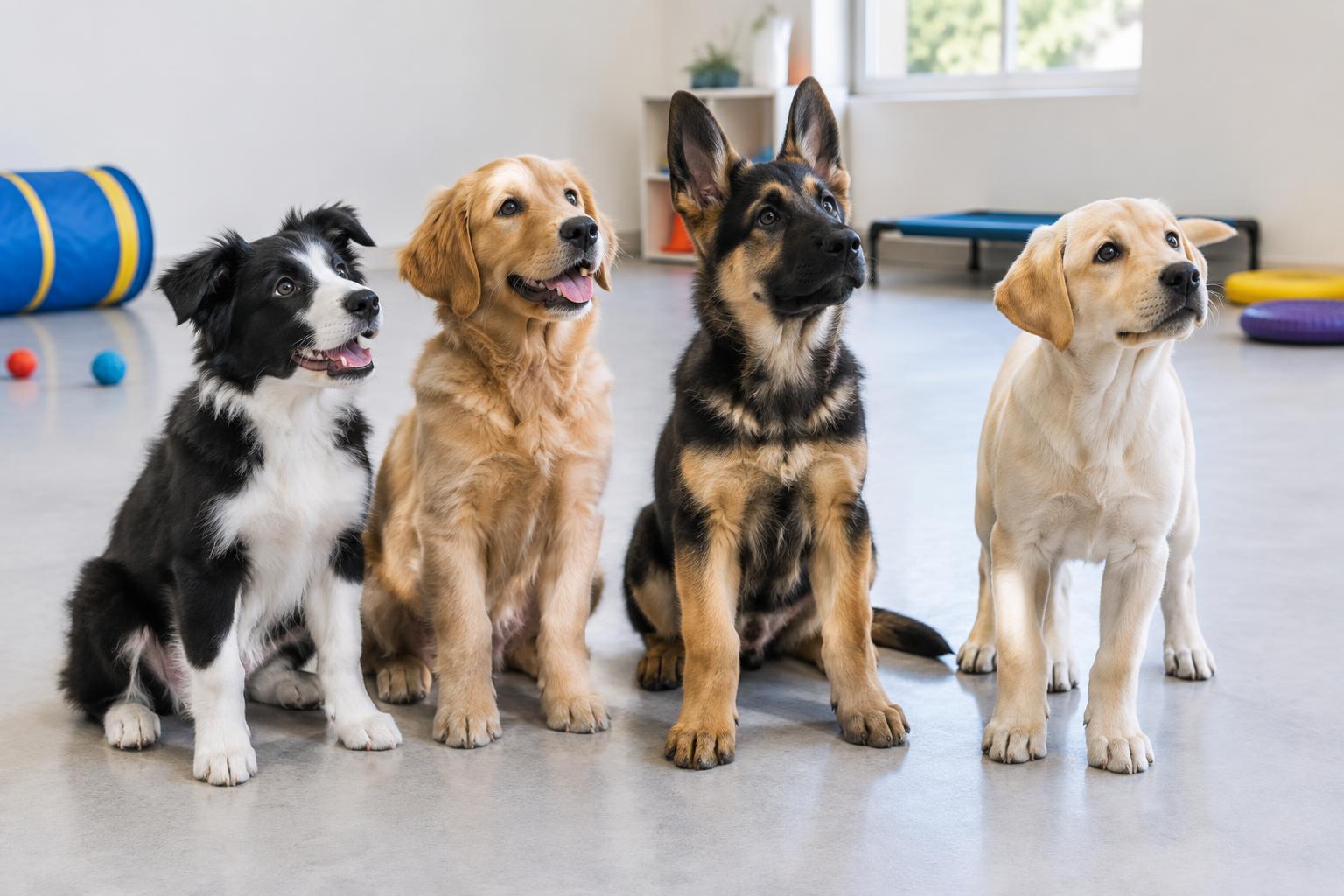
Border Collie, Golden Retriever, German Shepherd and Labrador puppies sitting together in a training room
Four puppies, four possible starting points — none is a fixed cognitive profile.

What cognition changes — and what it doesn't

Dr. Brian Hare and Vanessa Woods's work at Duke's Canine Cognition Center looks at how dogs use social information, memory and problem solving.[1] Dognition describes five dimensions: empathy, communication, cunning, memory and reasoning. Those lenses can suggest whether to try a gesture, a food reward, a game or a more predictable routine. They do not prove that every puppy of one breed learns at the same speed, or that a puppy's early behavior predicts an adult score.[5]

Their Puppy Kindergarten work puts early development and positive experience at the center.[2][3] Whatever the breed, begin with safe exposure, short rewarding sessions and plenty of rest.[6] Change one difficulty at a time; if your puppy cannot succeed, make the task easier before adding more practice.

Read the general eight-week puppy plan

A realistic timeline for every puppy

These are practice windows, not promises that a behavior will be mastered by a certain birthday. Research follows changes in cognition over the first two years, but it does not establish these training deadlines.[4] Track success in a familiar place first, then try the same skill somewhere new.

Download the week-by-week timeline (PDF)

Printable checklists for Border Collies, Golden Retrievers, German Shepherds and Labradors · weeks 8–24.

  1. 01 / From homecoming · often around 8 weeks

    Build safety and predictable routines

    Take your puppy to the same toilet spot after sleep, meals and play; reward immediately outside. Pair their name with a treat, introduce a comfortable rest space, and keep practice to a few enjoyable minutes at a time.

    What progress looks like: Look for more frequent check-ins and a growing pattern of outdoor success. Accidents still happen; adjust the schedule rather than scolding.

  2. 02 / Roughly 10–16 weeks

    Positive exposure and first cues

    Let your puppy observe different people, sounds, surfaces and calm dogs at a distance they can handle. Pair each experience with something good. Practice come, touch and a few steps on a loose leash in quiet places.

    What progress looks like: The aim is a puppy who can recover and re-engage, not one who greets everything. Ask your vet about safe outings and classes before vaccinations are complete.

  3. 03 / Around 4–6 months

    Add small distractions and self-control

    Build short waits, trade inappropriate objects for safe chews, and reward a loose leash before it becomes tight. Try a long line for recall in safe open spaces.

    What progress looks like: A cue that works in the kitchen may not work on a busy sidewalk. Increase distance, duration or distraction one at a time.

  4. 04 / Adolescence · often 6–18 months

    Revisit the basics in real life

    Keep paying for familiar cues and return to easier setups when the environment gets exciting. Protect recall with a long line; don't rely on a young dog's good week as proof of off-leash reliability.

    What progress looks like: Progress is more consistent responses across places, not a calendar deadline. Size, individual development and prior experience all affect timing.

Choose your puppy's starting plan

These four plans are practical suggestions informed by the linked breed guides, not methods tested by Hare and Woods for each breed. Breed-level research cannot tell you what will work for an individual puppy.[5]

Border Collie puppy

Give curiosity a job

The existing Border Collie guide emphasizes reasoning, memory and sensitivity to movement. Treat these as possible training preferences, not a test result for your puppy.

Try this: Teach a hand target, then vary where you present your hand. Reward eye contact and calm settling as generously as puzzle solving. On walks, alternate a few loose-leash steps with a short sniff or find-it game.

Timing: In the first weeks at home, establish an outdoor toilet route and a calm rest routine. Over the next months, practice looking away from moving distractions at a comfortable distance. A fast first cue does not mean reliable recall around bikes or livestock; keep the long line until that skill is proven.

Watch for: If repetition leads to frantic chasing or barking, shorten the session and make settling part of the exercise.

More Border Collie training tips
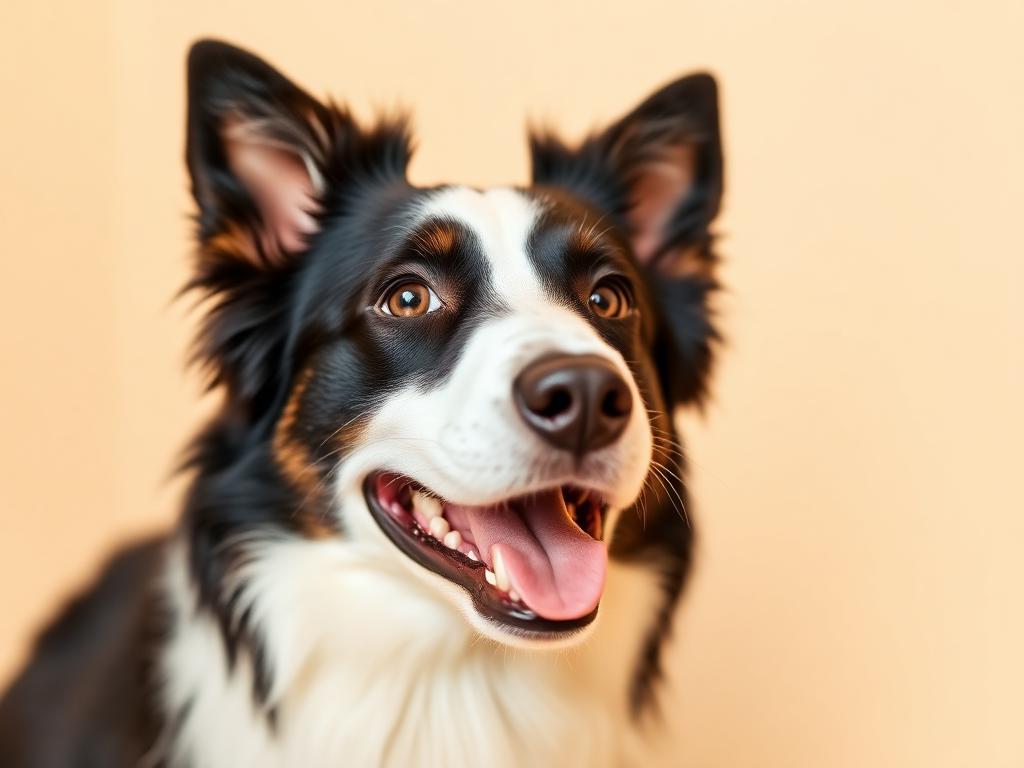
Border Collie working in a field during a training session

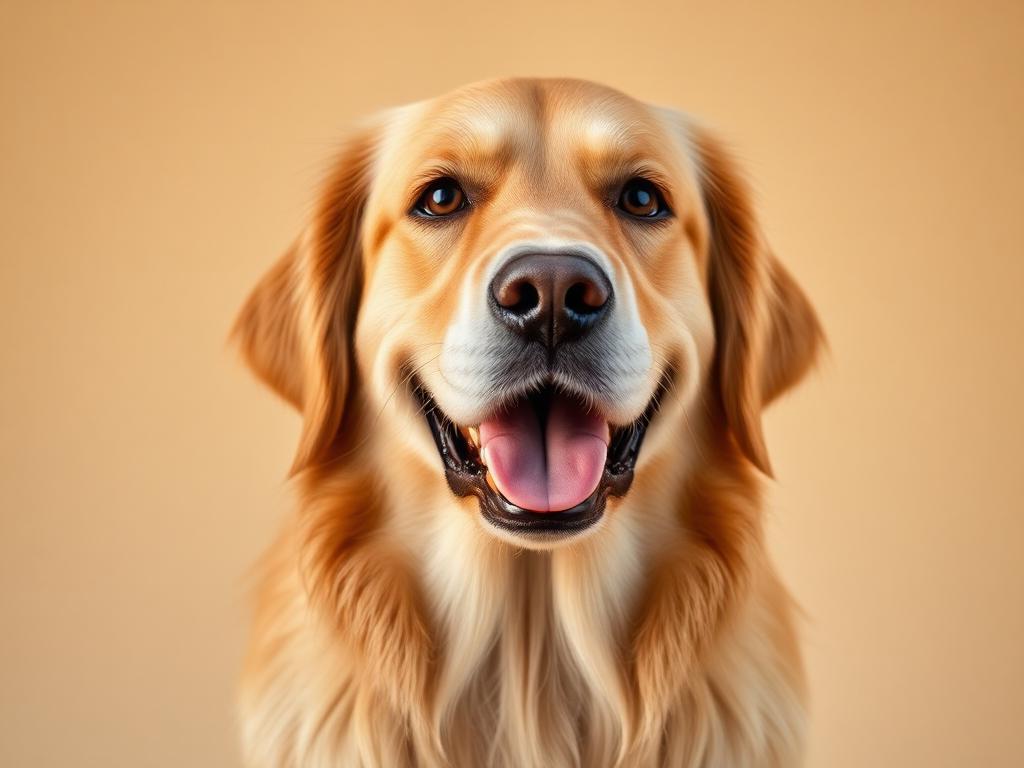
Golden Retriever puppy

Use social connection without feeding excitement

The Golden Retriever guide prioritizes empathy and communication: many Goldens enjoy a person's attention and clear gestures, but your puppy may prefer a different reward.

Try this: Mark a glance back at you, reward it, and let calm greetings happen only after a slack leash. Pair food with warm praise for early recall. Give the mouth a safe toy before visitors arrive.

Timing: Start name response, gentle handling and short absences from homecoming. Work on greetings at a distance through the following months. A puppy may come eagerly at home yet need renewed recall practice around other dogs in adolescence.

Watch for: If your puppy becomes too excited to listen, move farther from the greeting and reward calm observation instead of asking for a harder cue.

More Golden Retriever training tips
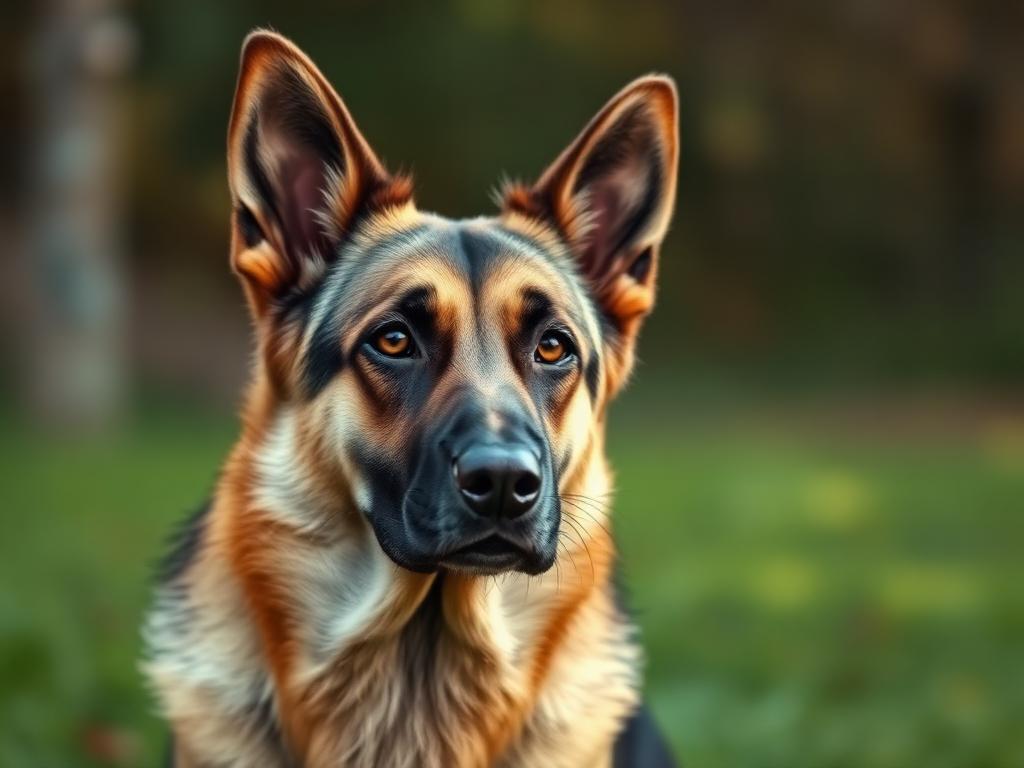
Golden Retriever mid-training with a handler outdoors

German Shepherd puppy

Make the pattern clear and the environment manageable

The German Shepherd guide highlights routine memory and responsiveness to handler signals. Structure can help, but avoid assuming alertness means stubbornness.

Try this: Use the same short cue and release word across household members. Practice leash position in a quiet room before adding outdoor sights. Let the puppy notice a new sound or person from a comfortable distance, then reward voluntary attention back to you.

Timing: Settle into a predictable toilet and rest schedule in the first weeks. Over the next months, generalize cues in gradually busier places. Keep working under threshold through adolescence; don't rush close contact or expect a reliable yard recall to carry over to a crowded park.

Watch for: Repeated barking, freezing or refusal of food near a trigger means the setup is too hard. Create distance; seek qualified help if fear persists.

More German Shepherd training tips
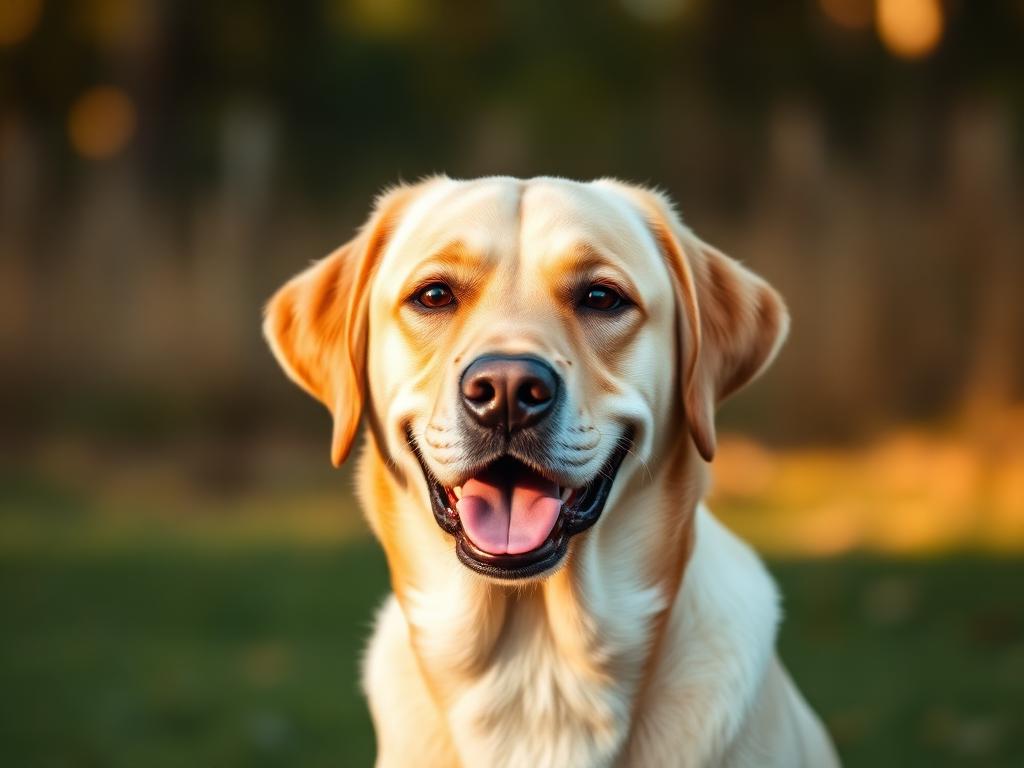
German Shepherd focused on a handler during training

Labrador Retriever puppy

Turn food and sniffing into useful rewards

The Labrador guide describes strong human focus and food motivation as useful starting points, while noting that excitement and impulse control may need extended practice.

Try this: Reward a brief pause at the door, then release to sniff. Pay frequently for loose-leash steps and calm check-ins. Rotate safe chew options and practice trading instead of chasing a puppy with a stolen object.

Timing: Begin toilet trips on a predictable schedule and reward outside from day one. Add short waits and loose-leash walks over the following months. Expect to keep rehearsing around scents and other dogs during adolescence rather than declaring the skill finished after a few good walks.

Watch for: If food makes your puppy frantic, use smaller rewards, a calmer setup and fewer repetitions before a break.

More Labrador Retriever training tips
Labrador Retriever in a training session with a handler

Measure the puppy, not the stereotype

Keep a simple record: the cue, where you practiced, the distraction and how many times your puppy succeeded out of five. If three or fewer work, return to an easier setting. If four or five work repeatedly, change just one variable next time. This is a practical coaching rule, not a research-based breed deadline.

Sudden changes in toileting, persistent fear or distress when alone deserve a conversation with your veterinarian or a qualified reward-based trainer. Training is not a substitute for medical or behavioral care.

Further reading & sources

Books by Hare and Woods, Duke's puppy program, and peer-reviewed research behind the developmental guidance. The breed exercises and timelines above are coaching suggestions, not findings from a breed-specific training trial.

  1. [1] Brian Hare & Vanessa Woods · Plume (Penguin Random House) · Paperback: October 29, 2013; ebook: February 5, 2013 · ISBN 9780142180464

    The Genius of Dogs: How Dogs Are Smarter Than You Think

    The authors' account of canine social cognition and why intelligence is more than obedience.

  2. [2] Brian Hare & Vanessa Woods · Random House (Penguin Random House) · August 27, 2024 · ISBN 9780593231326

    Puppy Kindergarten: The New Science of Raising a Great Dog

    The Duke puppy project, developmental games, and practical lessons for raising a puppy.

  3. [3] Sam Huntley · Duke Stories, Duke University · November 22, 2021

    Puppy Kindergarten at Duke

    A look at the service-dog puppy study led by Hare with Woods directing puppy care and volunteers.

  4. [4] Bray et al., including Brian Hare · Animal Cognition 24(2):311–328 · Published online October 28, 2020; print issue March 2021 · DOI: 10.1007/s10071-020-01443-7

    Dog cognitive development: a longitudinal study across the first 2 years of life

    Peer-reviewed longitudinal research on how different cognitive skills develop; not a timetable for mastering training cues.

  5. [5] Gnanadesikan et al., including Brian Hare · Integrative and Comparative Biology 60(4):976–990 · October 2020 · DOI: 10.1093/icb/icaa112

    Breed Differences in Dog Cognition Associated with Brain-Expressed Genes and Neurological Functions

    Research into population-level cognitive differences among breeds, not a prediction for any one puppy.

  6. [6] Ericka Mendez · Veterinary Clinics of North America: Small Animal Practice 53(5):1195–1207 · Published online July 1, 2023; print issue September 2023 · DOI: 10.1016/j.cvsm.2023.05.009

    Early Puppy Behavior: Tools for Later Success

    Veterinary guidance on safe socialization, gentle handling, reward-based training and puppy classes.

122,043 dogs assessed to date