Puppy Milestones Week by Week: What to Film and When
Puppyhood is gone in months. Here is what to expect from 8 weeks to a year old, and exactly what to film so the moment doesn't just disappear into a camera roll.
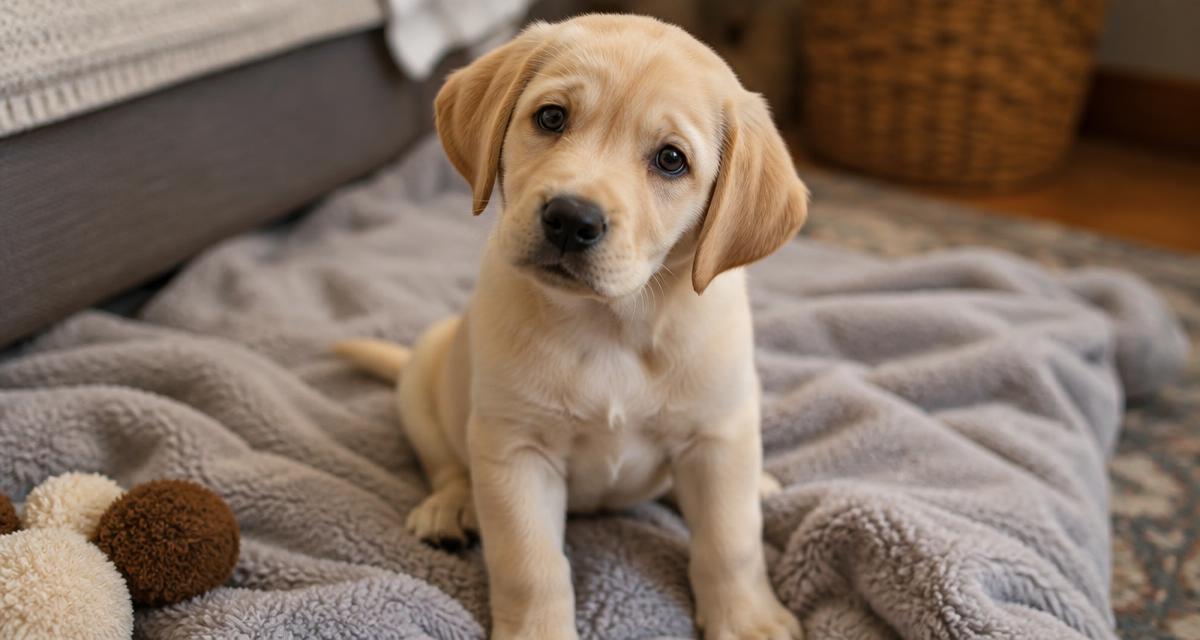
Inside Puppy Kindergarten at Duke
Early puppyhood is when social and cognitive skills take shape fastest. This is playtime at the Duke Puppy Kindergarten, the research program behind the milestones below.
The milestones, and the moment to capture
8–10 weeks
Home arrival & the socialization window opens
This is peak socialization age — new experiences are absorbed quickly and shape lifelong comfort with people, dogs, sounds and surfaces.
Capture this moment: Film the first walk-through of your home and the first time your puppy meets a new surface (tile, grass, stairs).
8–11 weeks
First fear period
Many puppies pass through a stage where ordinary things suddenly seem alarming. A calm, unpressured response from you matters more than the trigger itself.
Capture this moment: Note the date and what startled them — this becomes useful context if a similar reaction shows up again later.
9–12 weeks
Name recognition emerges
Puppies begin reliably orienting toward their name rather than reacting to general noise or movement.
Capture this moment: Film a simple test: say their name once from across the room and see if they turn. Log the date of the first clear response.
10–16 weeks
Core socialization window continues
The single most important window for exposure to new people, dogs, environments and handling — shaping temperament well into adulthood.
Capture this moment: Film short clips from a few different outings (a car ride, a new park, meeting a calm adult dog) rather than one long session.
~12–16 weeks
Second fear period begins for some puppies
A second, often subtler wariness phase can appear as the socialization window starts to narrow.
Capture this moment: Note any new hesitations around familiar routines — useful to compare against later adolescent behavior.
4–6 months
Teething and early impulse control
As adult teeth come in, self-control around biting, waiting, and resisting temptation starts to develop — unevenly at first.
Capture this moment: Film a simple wait-for-it exercise (a treat on the floor, a closed hand) and note how long they can hold back.
6–8 months
Adolescence begins
Previously reliable behaviors can wobble as hormones shift and independence increases. This is developmentally normal, not regression.
Capture this moment: Log specific examples of newly selective listening — it helps distinguish a phase from a training gap later on.
8–12 months
Impulse control and problem-solving mature
Most dogs show steadier self-control and more persistent, flexible problem-solving as adolescence progresses.
Capture this moment: Film a short puzzle-toy session and compare it to an earlier one — the difference in persistence and strategy is often dramatic.
~12 months
Approaching adulthood
Many dogs are physically and behaviorally close to their adult selves, though some breeds continue maturing well past a year.
Capture this moment: Film a one-year "then and now" clip next to the very first walk-through video from week eight.
A camera roll loses these moments. A story keeps them.
These weeks pass fast, and most of what makes them meaningful — the exact date, the context, the way your puppy reacted — is easy to lose in an endless photo library. CanineQ turns the clips you upload into a real chapter of your dog's story, dated and organized, instead of a folder you never scroll back through.
Frequently asked questions
- What is the puppy socialization window?
- It is the period, roughly from 3 to 16 weeks, when puppies are most receptive to new experiences shaping lifelong comfort with people, animals, places and sounds.
- What is a puppy fear period?
- A fear period is a developmental stage — often around 8–11 weeks and again around 12–16 weeks — when otherwise normal things can suddenly seem frightening. It typically passes on its own with calm, unpressured handling.
- When does puppy adolescence start?
- Most dogs enter an adolescent phase around 6 to 8 months, when previously solid behaviors can become inconsistent even though nothing was "forgotten."
- Do all puppies hit these milestones at the same age?
- No. Breed, size and individual temperament shift the timing, especially for larger breeds that mature more slowly. The windows above are general guides, not deadlines.
- Why film milestones instead of just remembering them?
- Puppyhood changes fast and memory blurs the exact dates and details. A dated clip captures exactly how your puppy reacted, moved and sounded — details a camera roll usually loses in the shuffle.
Keep it on paper too: browse our free printable dog forms, including a puppy shot schedule and weight log.