What Is Puppy Kindergarten? A Science-Based Guide for New Owners

If you have a new puppy, you have probably heard the phrase puppy kindergarten tossed around by breeders, veterinarians, and trainers. But what actually is puppy kindergarten, and why does the research from Dr. Brian Hare and the Duke Canine Cognition Center treat the first sixteen weeks of a puppy's life as the most consequential window in the entire lifespan? This is the guide I wish every new owner got at pickup.
What puppy kindergarten actually is
Puppy kindergarten is short, structured, positive experience during the developmental window (roughly 3 to 16 weeks) when a puppy's social brain is most plastic. It is not obedience class for small dogs. It is not sit-down-stay drilling. It is a deliberate curriculum of socialization, cognitive challenge, cooperative attention, and controlled stress-and-recovery — the four ingredients the science tells us produce confident, thinking adult dogs.
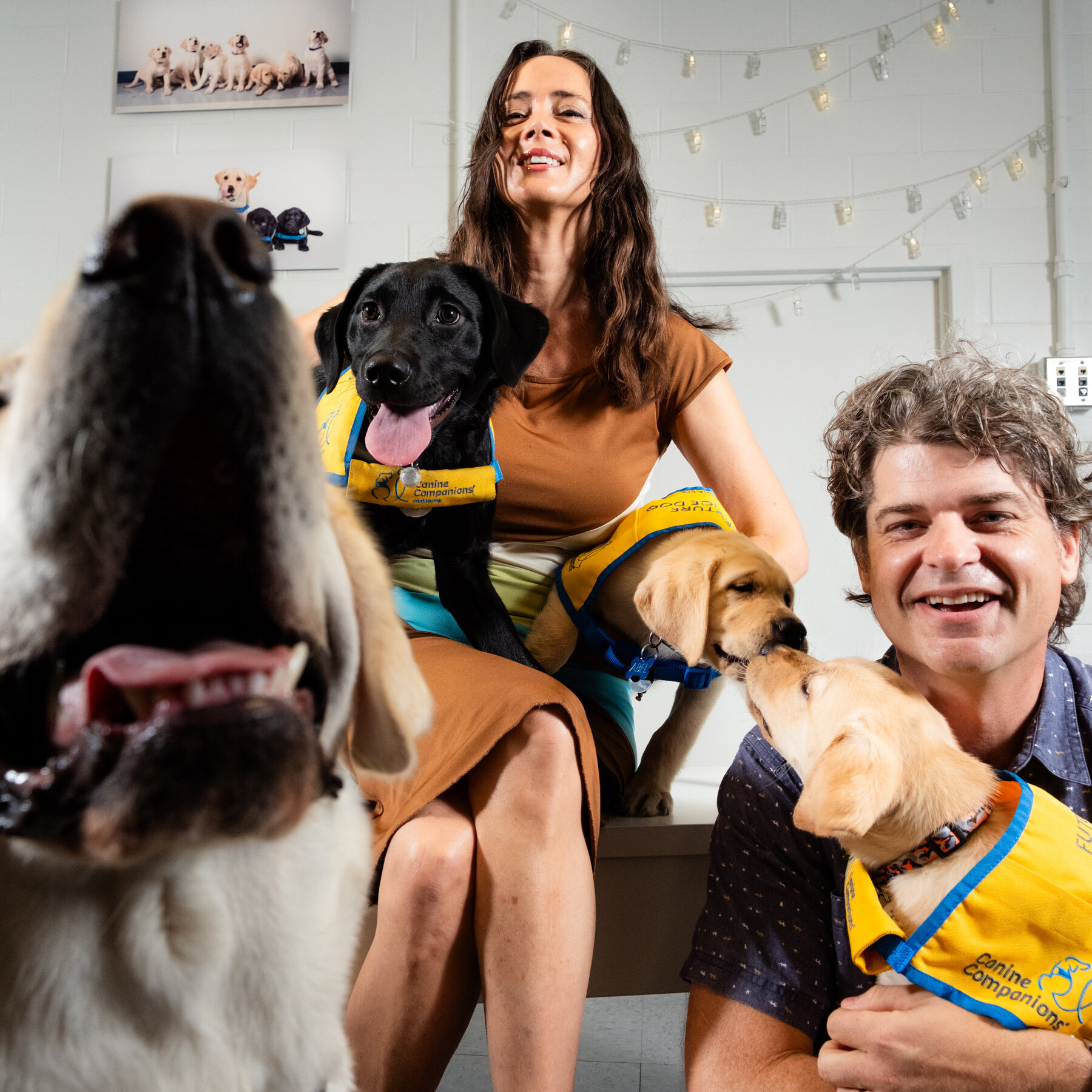
The original Duke Puppy Kindergarten, co-founded by Dr. Brian Hare and Vanessa Woods, was built to answer a specific question for the service-dog world: can we predict which puppies will become great working dogs, and can we improve those odds with better early experience? Seven years of research say yes to both — and the same principles apply to every family pet.
Why the first 16 weeks matter more than anything else
Between about three and sixteen weeks, a puppy's brain builds the neural scaffolding for social cognition, emotional regulation, and problem-solving. What they meet, hear, smell, and figure out during that window becomes the default nervous system they carry for the rest of their life. Miss the window and you cannot fully compensate later — the brain literally develops differently. That is why waiting until vaccinations are complete to socialize a puppy is one of the most common — and costly — mistakes new owners make.
The five things a good puppy kindergarten teaches
- Active socialization. Positive, controlled exposure to the categories of the world your puppy will live in as an adult — different humans, other dogs, surfaces, sounds, vehicles, handling.
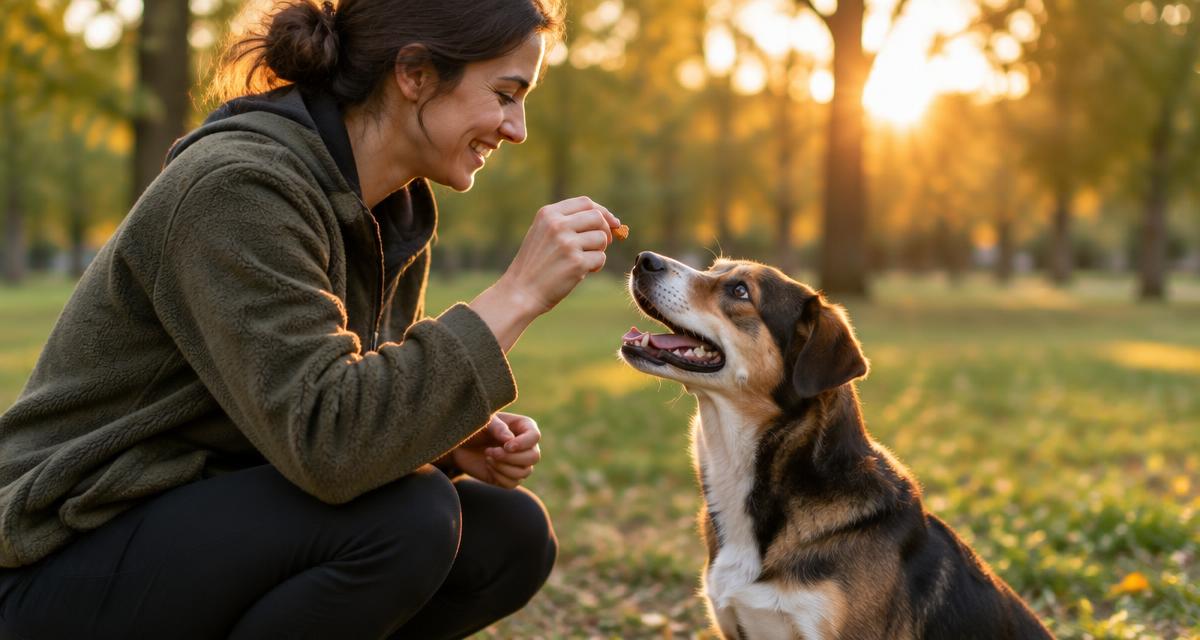
- Cognitive challenge. Short problem-solving games (a treat under a cup, a puzzle feeder, a hidden toy) that build the machinery for adult learning. Puppies who have to think — not just watch — develop stronger cognitive foundations.
- Cooperative attention. Eye contact, name response, shared focus. A puppy who checks in with you when the world gets interesting is a puppy who will be easy to train later.
- Vet-style handling. Daily ear checks, paw touches, mouth opens, all paired with treats, so future vet and grooming visits are calm.
- Recovery reps. Mild novel stress followed by full recovery. Resilience is built by many small stress-and-recovery cycles, not by avoiding stress entirely.
What puppy kindergarten is not
It is not a place to fix behavior problems (there usually are not any yet). It is not obedience competition prep. It is not a shortcut. And critically, it is not just "letting puppies play." Unstructured puppy free-for-alls can actually cement bullying or fearful patterns. Look for classes — or design at-home sessions — that are small, calm, force-free, and led by someone who can explain why each activity matters.
The science behind the curriculum
Two findings from the Duke Puppy Kindergarten shape everything we recommend:
- The traits that predict a great adult dog are visible before 16 weeks. Cooperation, calmness under novelty, responsiveness to human cues, and interest in shared problem-solving show up early and stay relatively stable.
- Cognitive challenge builds the traits, not just exposure. Puppies who solve problems — not just observe — develop stronger cognitive and emotional foundations.
This is the framework we teach in The Genius of Dogs and the reason Puppy Kindergarten, the book Brian and Vanessa wrote from the study, has become the standard reference for owners who want the science, not the folklore. For an at-home routine that pulls directly from the research, see Puppy Kindergarten at Home.
The developmental calendar
- 3–5 weeks (with the breeder): early handling, gentle novelty.
- 5–8 weeks: temperament forms; littermates teach bite inhibition.
- 8–12 weeks: the peak socialization window in your home.
- 12–16 weeks: fear periods begin; keep experiences positive and controlled.
- 4–6 months: adolescence starts; expect regression and stay consistent.
Class, at-home, or both?
The honest answer is both when possible. A well-run in-person class adds two things you cannot easily replicate at home: safe puppy-to-puppy socialization with a trained instructor watching, and controlled exposure to novel humans. Look for small groups, force-free methods, and vaccination-appropriate protocols (AVSAB's position statement is clear that early socialization outweighs the small residual disease risk when done sensibly).
At home, the four pillars — socialization, cognitive games, cooperation, recovery reps — take about fifteen focused minutes a day and matter every bit as much as the weekly class. See our shortlist of the most popular puppy training resources of 2026 for the specific books, videos, and tools we recommend.
How Dognition and CanineQ fit in
Puppy kindergarten is easier when you know what kind of thinker you are working with. The Dognition Assessment measures five dimensions of your dog's cognition — empathy, communication, cunning, memory, and reasoning — so you can match your training approach to the puppy in front of you. An Ace learns very differently than a Charmer, and knowing that in month three saves months of frustration later.
For the day-to-day, CanineQ works as a milestone tracker for the whole first year — short video check-ins, an AI behavior dashboard that flags subtle stress or fatigue you would miss with the naked eye, and weekly bond challenges pulled from the same cognitive playbook as the assessment.
The bottom line
Puppy kindergarten is not optional if you want the best version of the adult dog your puppy could become. The window is short, the science is clear, and almost all of the work is joyful. Fifteen minutes a day of structured, positive engagement in the first sixteen weeks is one of the highest-return investments any dog owner will ever make.
Ready to start? Grab the free Puppy Kindergarten Starter Checklist, take the Dognition Assessment, and read Puppy Kindergarten at Home for the daily routine.
Keep reading: puppy kindergarten at home, senior dog cognitive health, best food for senior dog brain health, dog diarrhea and stress, is my dog limping?, and how to choose a vet.