Puppy Kindergarten at Home: Essential Science-Backed Training Tips

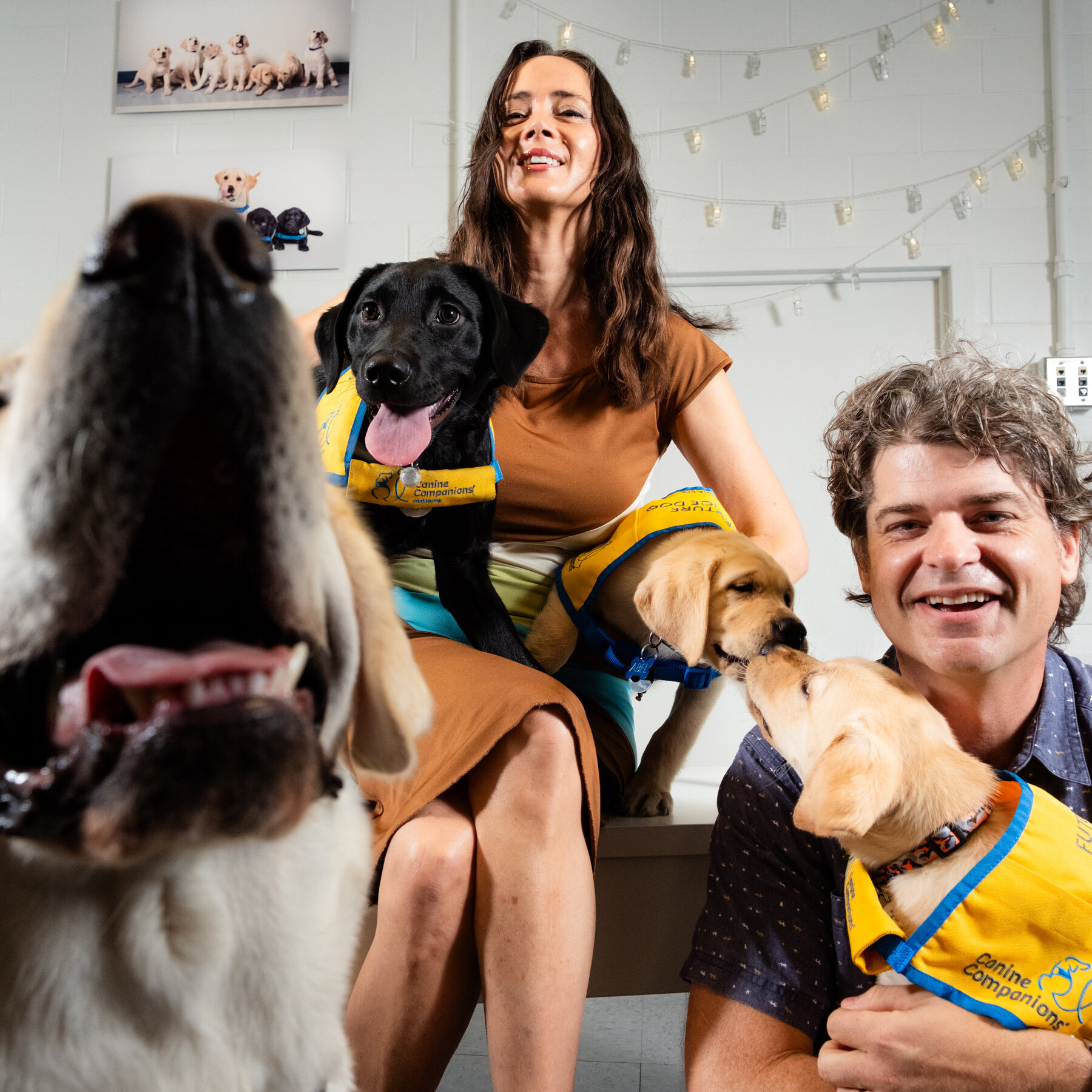
The first 16 weeks of a puppy's life shape the adult dog they become. Not their obedience — their cognition, their emotional regulation, their ability to cooperate with humans, and their resilience under stress. The Duke Puppy Kindergarten, co-founded by Dr. Brian Hare and Vanessa Woods, spent seven years studying which early experiences reliably produce confident, socially skilled adult dogs. The good news for home owners: most of the science-backed puppy kindergarten training tips that matter are things you can do in your living room, in a park, and on your daily walk.
What the science actually says
The Duke Puppy Kindergarten research produced two findings that matter most to home owners:
- The traits that predict a great adult dog are visible before 16 weeks. Cooperation, calmness under novelty, responsiveness to human cues, and interest in shared problem-solving show up early and are relatively stable over time.
- Early cognitive challenge builds the traits, not just early exposure. Puppies who have to think — solve simple problems, follow cues, make choices — develop stronger cognitive and emotional foundations than puppies who are only socialized passively.
In other words, exposure alone is not enough. Puppies need positive, active engagement with novelty during a specific developmental window. That is what "puppy kindergarten" really means, whether it happens in a class or in your kitchen.
The four pillars of at-home puppy kindergarten
1. Socialization as active engagement, not passive exposure
Modern socialization is not about racking up 100 new people and places. It is about ensuring your puppy has positive, controlled experiences with the categories of things they will encounter as an adult: different ages of humans, other dogs of various sizes, common noises, surfaces, vehicles, hats, umbrellas, and vet-style handling. Quality beats quantity. One good interaction with a calm child beats ten overwhelming ones.
2. Cognitive challenge in small doses
Short problem-solving games — a treat under a cup, a puzzle feeder, a hidden toy — build the neural machinery for adult learning. Aim for 5 to 10 minutes, one to three times a day. Watch for the moment your puppy tries a strategy, fails, and tries a different one. That flexibility is the foundation of adult cognition. See cognitive enrichment games for a practical library.
3. Cooperation before obedience
The Duke work suggests it is more important early on to build shared attention — eye contact, name response, cooperative games — than to drill sits and downs. A puppy who looks at you when the world gets interesting is a puppy who is easy to train later.
4. Recovery reps
Resilience is built by mild stress followed by full recovery, not by avoidance of stress. Introduce a new noise at a low volume, let your puppy notice, reward calm, then remove the trigger. Do it again tomorrow, slightly louder. Puppies who go through many small stress-and-recovery cycles grow into adults with wide behavioral bandwidth.
The critical windows
- 3 to 5 weeks (with the breeder): early handling, gentle novelty
- 5 to 8 weeks: temperament forms; interaction with littermates teaches bite inhibition
- 8 to 12 weeks: the peak socialization window in your home; every new experience is highly formative
- 12 to 16 weeks: fear periods begin; keep experiences positive and controlled
- 4 to 6 months: adolescence starts; expect regression and stay consistent
Missing the 8-to-16 week window is the single biggest predictor of adult behavior problems. It cannot be fully compensated for later — the brain literally develops differently. If you have a young puppy, the calendar matters.
What to actually do this week
- Pick three new categories per day — a new surface, a new sound, a new type of human. Keep each exposure short and end while your puppy is still curious.
- Play one cognitive game daily. Two cups, a hidden treat. That is enough to start.
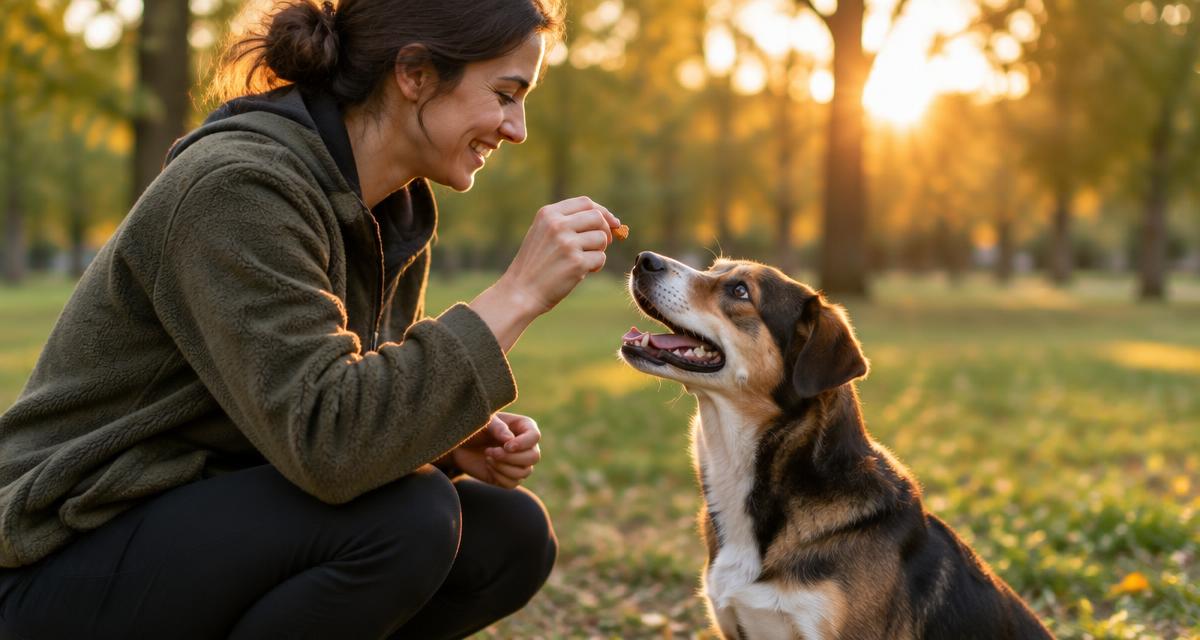
- Practice name response and eye contact a dozen times a day, in tiny reps, always paid.
- Introduce vet handling — gentle ear checks, paw touches, mouth opens — daily. Pair each with a treat.
- Log milestones. First stairs, first car ride, first vacuum, first grooming session. These become the record you actually want in a year.
How CanineQ tracks the first year
Puppy development happens fast, and most owners forget most of it. The CanineQ app works as a milestone tracker for the first year — log first exposures, cognitive game results, socialization categories checked off, and behavior notes. Combined with regular cognitive game sessions, the app builds a longitudinal record of your puppy's developing profile. When you look back at month 12, you have a real story instead of a blurred memory.
For the deeper Duke story, see Vanessa Woods' work on the Puppy Kindergarten.
The long game
Nothing you do in the first 16 weeks is wasted, and very little of it is undoable. A puppy who spends this window in active engagement with a thoughtful human grows into an adult dog who is easier to train, more resilient under stress, better at reading humans, and — measurably — happier. That is what science-backed puppy kindergarten actually delivers.
Ready to build the record? Track puppy milestones in CanineQ across the whole first year. Or go straight to the source and read the Duke Puppy Kindergarten story.
Start with the full guide to what puppy kindergarten is.