Is Dog Diarrhea a Sign of Stress? The Gut-Brain Connection in Puppies
Your puppy comes home from a busy weekend, or you leave for a two-day trip, or a new dog arrives in the household — and suddenly the stool goes soft. Sound familiar? If you have wondered is dog diarrhea a sign of stress, the answer is a clear yes. Stress-induced digestive upset is one of the most common — and most under-recognized — puppy health issues. The gut and the brain talk to each other constantly, and puppies are especially loud on that channel.
How stress reaches the gut
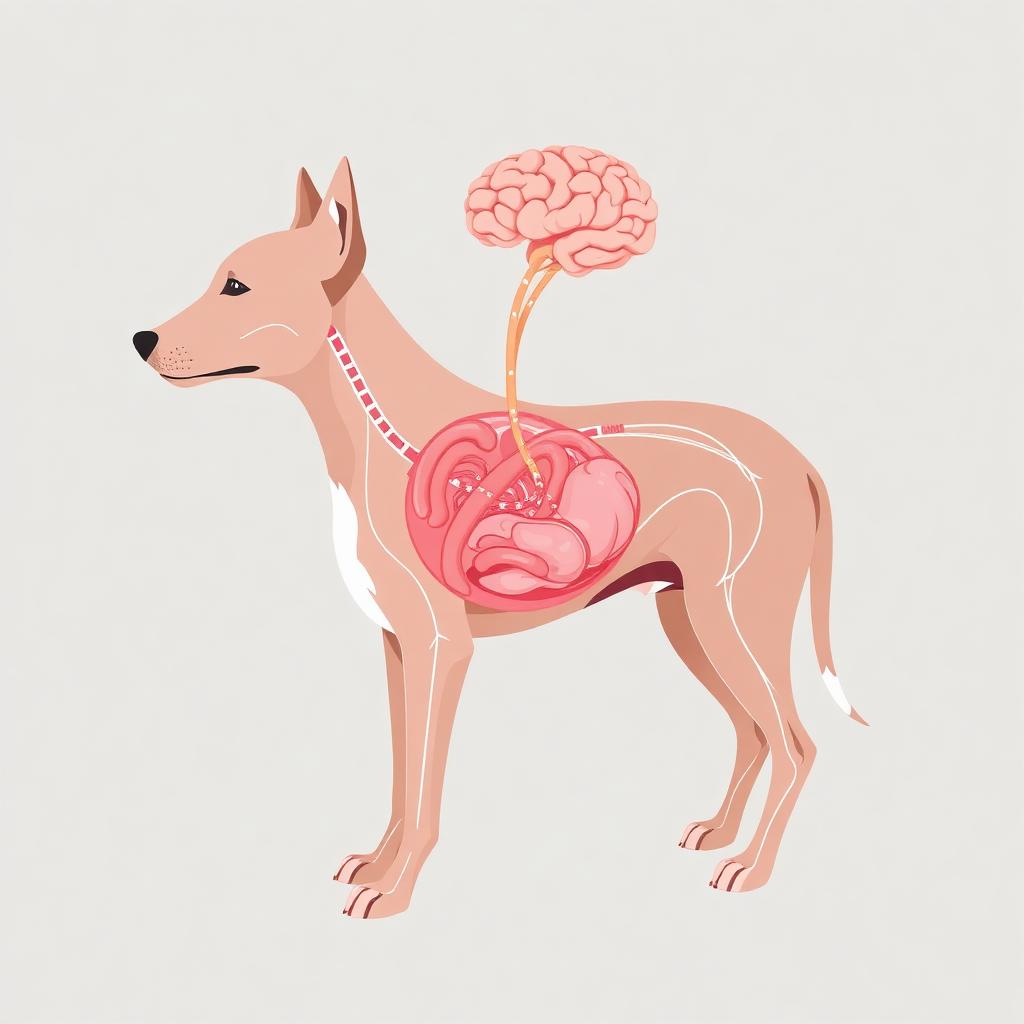
The gut-brain axis is a bidirectional communication network involving the vagus nerve, stress hormones, and the gut microbiome. When a puppy experiences acute stress — separation, a car ride, a new environment, thunder, a vet visit — the sympathetic nervous system releases cortisol and adrenaline. These hormones:
- Increase intestinal motility, pushing contents through faster and leaving less time for water absorption
- Alter gut permeability, letting more inflammatory molecules cross the intestinal lining
- Disrupt the microbiome balance, favoring less-friendly bacterial populations
- Reduce blood flow to the digestive tract as blood shunts to muscles
The result, within hours to a couple of days, is often soft stool, mucus, urgency, or full-blown diarrhea. In puppies, whose gut and immune systems are still developing, the reaction is amplified.
Common stress triggers for puppy digestive upset
- Separation anxiety — one of the biggest drivers, especially in puppies rehomed or left alone for extended periods for the first time
- Environmental change — a move, a new baby, a new pet, boarding, or houseguests
- Sudden diet change compounded by stress from travel or events
- Vet visits, grooming, training classes
- Overexcitement — birthday parties, big walks, meeting many new dogs
The tell that stress is the driver is timing. Diarrhea that appears within 12 to 48 hours of an identifiable stressor, resolves in 1 to 3 days as the puppy settles, and is not accompanied by lethargy, blood, vomiting, or loss of appetite is very likely stress-related.
When it is not stress — the red flags
Stress diarrhea is a diagnosis of exclusion. Take your puppy to the vet the same day if any of these are present:
- Frank blood, dark tarry stool, or large volumes of mucus
- Lethargy or reluctance to move
- Refusal to eat or drink for more than 12 hours
- Vomiting alongside diarrhea, especially in a young puppy (dehydration risk)
- A puppy under 16 weeks with diarrhea for more than 24 hours (parvovirus and parasites are real risks)
- Weight loss or a distended abdomen
The puppy poop consistency chart
Veterinarians use a 1-to-7 fecal scoring scale, from 1 (hard, dry pellets) to 7 (watery, no shape). The healthy range for most puppies is 2 to 3 — formed, moist, holds shape when picked up. Anything at 5 or above is diarrhea and warrants tracking. Anything at 1 suggests dehydration or dietary issues.
The single most useful habit for any new puppy owner is scoring every stool and logging it against events. Not glamorous, but the pattern that emerges after two weeks is worth its weight in vet visits.
How CanineQ maps physical data against stress
The CanineQ integrated health hub includes a digital fecal scoring chart alongside daily behavior and stress tracking. Log a fecal score in three seconds after a walk. Log a stress score after a vet visit, a thunderstorm, or a long stretch alone. Over time the app maps the two data streams onto the same timeline, and the correlations become obvious — the soft stool that follows every Monday, the loose morning after a boarding weekend, the recovery arc after a household change.
That mapping is what turns a chaotic "my puppy keeps having tummy problems" into a specific, actionable pattern you can share with your vet and, more importantly, address at the source.
What to do when stress diarrhea hits
- Keep water available at all times. Puppies dehydrate quickly. Offer small, frequent drinks if they are reluctant.
- Feed a bland diet for 24 to 48 hours — plain boiled chicken and white rice or a veterinary intestinal formula. Skip a meal or two only for adult dogs, not young puppies.
- Reduce the stressor. Quiet room, familiar bedding, a Kong or lick mat, calm routine.
- Consider a probiotic designed for dogs. Several veterinary formulations have evidence for shortening stress-induced diarrhea episodes.
- Log everything — the trigger, the timing, the fecal score, the behavior. Patterns show up faster than you expect.
For the deeper science, see how the gut-brain axis shapes canine behavior.
Prevention is a routine, not a supplement
The best long-term protection against stress-related digestive upset is a predictable routine, gradual introductions to new experiences (proper socialization, not flooding), and a diet that supports gut health over time. Puppies who are exposed to novelty in small, positive doses grow into adults with far more resilient guts — the microbiome literally develops around the stress patterns of early life.
Ready to spot the pattern? Log stool and stress in the CanineQ Health Hub and let the app map physical data against daily behavior. Curious how stress shows up in your dog's cognitive style? Understand your dog's stress profile.
Early stress handling matters too — see our guide to puppy kindergarten.