How to Choose a Vet: 10 Questions to Ask
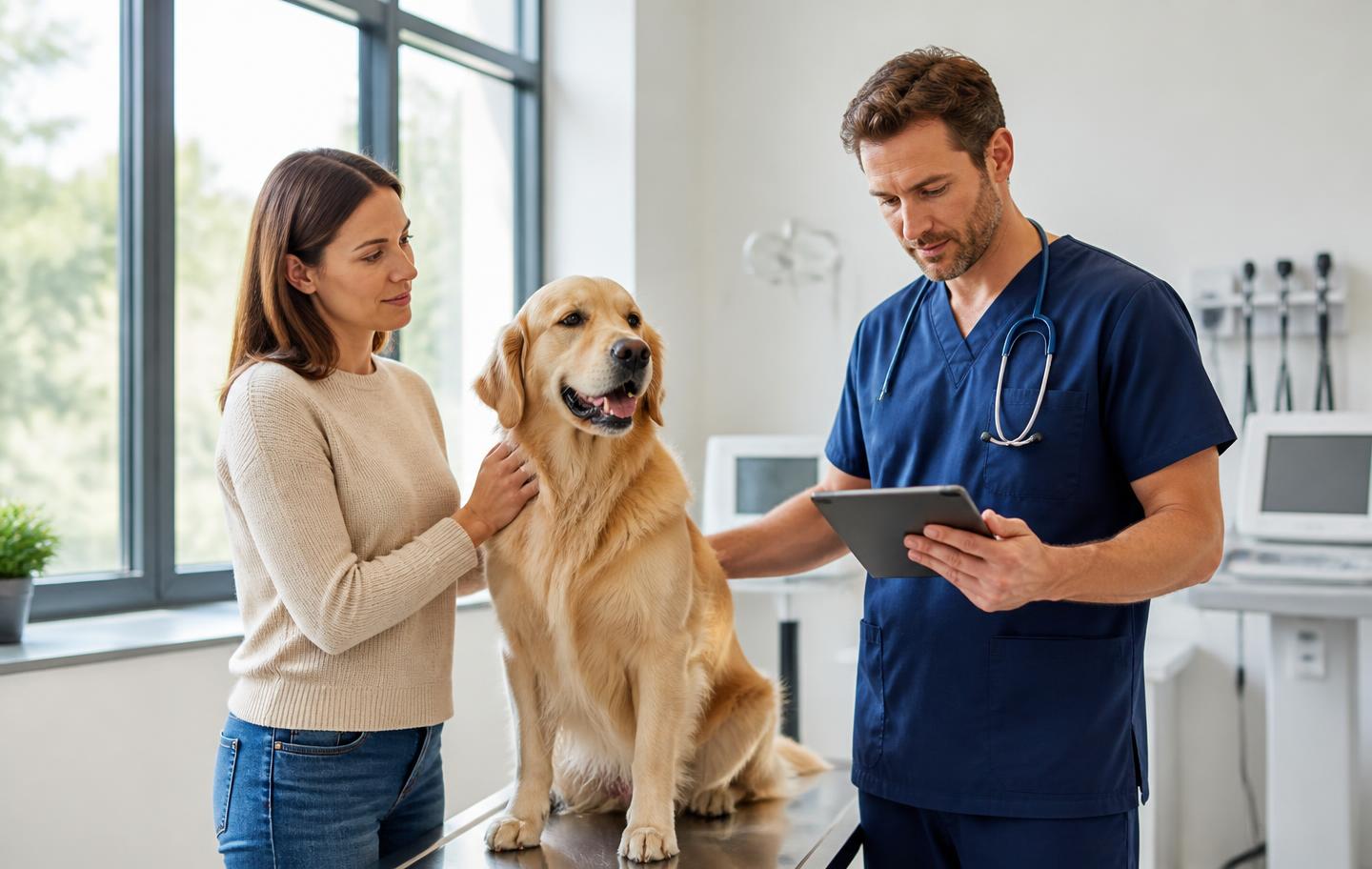
Choosing a veterinarian is one of the most important decisions you make for your dog. The right clinic should be medically capable, easy to communicate with, and comfortable for both of you. It should also be a place where you feel heard when you notice a subtle change in your dog's behavior, appetite, sleep, or energy.
You do not need the most expensive clinic or a veterinarian who offers every service under one roof. You do need a trustworthy primary-care team with clear credentials, sound preventive-care recommendations, appropriate technology, and a plan for emergencies. Here are ten questions to ask before you book your dog's first appointment.
Quick answer: what should you look for in a veterinarian?
Look for a licensed veterinarian and a clinic with a strong local reputation, transparent communication, reliable records, appropriate diagnostic equipment, evidence-based preventive care, and a clean, calm facility. Ask who will care for your dog when your regular veterinarian is unavailable, what happens after hours, and whether the team has experience with your dog's age, breed, medical needs, and temperament.
1. Is the veterinarian licensed and properly certified?
Start with the basics. Veterinarians must be licensed by the state where they practice, and you can usually verify a license through your state veterinary medical board. If your dog needs advanced care, ask whether the doctor is board-certified in a specialty such as internal medicine, surgery, dermatology, dentistry, nutrition, or behavior. A specialist has completed additional training and passed specialty-board examinations.
Also ask what the clinic's certifications refer to. A hospital accreditation, such as AAHA accreditation, describes a practice's facilities and operating standards; it is not the same thing as an individual veterinarian's specialty certification. Both can be useful, but they answer different questions.
2. Does the clinic have a reputation you can evaluate?
Personal recommendations are a helpful starting point, especially from people whose dogs have similar needs. Read reviews for patterns rather than isolated praise or complaints. Look for comments about communication, wait times, follow-up, handling nervous dogs, estimates, and whether the team explains options without pressure.
A review cannot tell you whether a medical recommendation is correct. Use it to understand the client experience, then ask the clinic direct questions. A reputable practice should explain who will see your dog, how results are communicated, and how you can request records or a second opinion.
3. What technology and diagnostic equipment are available?
Technology should support good medicine, not replace a careful physical examination. Ask whether the clinic can perform basic bloodwork and urinalysis in-house, and how quickly it receives outside laboratory results. Depending on the practice, useful capabilities may include digital radiography, ultrasound, dental radiography, blood-pressure monitoring, oxygen support, and electronic medical records with a client portal.
You do not need every test at your primary-care clinic. What matters is knowing what is available, what is referred out, how urgent results are handled, and whether the team explains why a test is recommended before it is performed.
4. How does the team approach preventive care?
Ask for a preventive-care plan tailored to your dog rather than a one-size-fits-all calendar. Discuss vaccines, parasite prevention, dental care, weight, age-related screening, and lifestyle risks such as hiking, swimming, travel, daycare, or living with other animals. A good veterinarian explains the benefits, limitations, timing, and possible side effects of each recommendation.
Bring your dog's previous records, medication list, diet details, and a list of questions. A short video of an unusual cough, limp, scratching episode, or behavior change can be more useful than trying to recreate it in the exam room.
5. Does the veterinarian have nutrition experience?
Nutrition is part of preventive medicine, not a sales pitch. Ask how the clinic evaluates body condition, calorie needs, treats, supplements, allergies, and life-stage diets. The veterinarian should be comfortable discussing the nutritional adequacy statement on a food label, meal portions, and how a diet fits your dog's health conditions and medications.
For complex cases such as severe food allergy, kidney disease, chronic gastrointestinal disease, or a carefully formulated home-prepared diet, ask whether the clinic works with a board-certified veterinary nutritionist. Be cautious of confident promises that one ingredient or supplement can solve every problem. Your dog's diet should be complete, balanced, and appropriate for that individual dog.
6. What are the emergency and after-hours arrangements?
Even an excellent primary veterinarian may not provide overnight emergency care. Before an emergency happens, ask where the clinic sends patients after hours, whether records are transferred electronically, and how the team handles urgent calls during the day. Save the emergency hospital's address and phone number in your phone.
Ask how the clinic triages same-day concerns. A clear answer should distinguish between an emergency needing immediate care, a problem needing a same-day visit, and a non-urgent question that can wait for an appointment or callback.
7. Does the clinic accept pet insurance and explain payment clearly?
Many pet insurance policies reimburse the owner rather than paying the clinic directly, so ask what payment methods and financing options are available and when payment is due. If you have insurance, confirm what documentation the practice provides for claims and keep copies of invoices and medical records.
Request an estimate before non-emergency diagnostics or treatment. A good estimate separates the recommended plan from reasonable alternatives and explains what could change the total. In an emergency, ask which decisions are time-sensitive and what authorization is needed to proceed.
8. Are boarding, daycare, and play facilities safe and well managed?
Boarding and play services can be convenient, but they are separate risk decisions from choosing a medical provider. Tour the areas where dogs rest and play. Ask about vaccination requirements, temperament screening, group size, staff supervision, rest breaks, enrichment, medication administration, and what happens if a dog becomes ill or stressed.
Look for play that is actively supervised and matched by size, energy, and play style — not simply a room full of dogs. Your dog should have a quiet place to decompress. Ask how the team separates dogs who need space and how they communicate an incident or injury to you.
9. Are the exam rooms, kennels, and equipment clean?
A clean clinic should have a consistent sanitation routine, clear separation for dogs with potentially contagious illness, and staff who clean hands and equipment between patients. Look at the waiting area, exam room, treatment area, boarding runs, food storage, water bowls, and outdoor relief space if you are considering boarding.
Clean does not mean odorless or sterile. It means the team can explain its cleaning and isolation procedures, removes waste promptly, and does not dismiss a reasonable question about infection control. If your dog is fearful, notice whether the clinic reduces noise, uses low-stress handling, and gives dogs a chance to settle.
10. Will the communication style work for you and your dog?
The best veterinarian for your family listens carefully, explains findings in plain language, and welcomes questions. Ask how you receive lab results, whether email or phone follow-up is available, how medication refills work, and who you can contact when you are unsure whether a change is important.
Pay attention to your dog's response. A single nervous visit does not mean a clinic is wrong, but the team should recognize fear, use patient handling, and help you build a more comfortable next visit. Your observations matter because you see your dog every day.
Questions to bring to the first visit
- Who will be my dog's primary veterinarian, and who covers when they are away?
- How do you handle fearful, reactive, or handling-sensitive dogs?
- Which preventive tests and treatments do you recommend for my dog's age and lifestyle, and why?
- What diagnostic tests are available in-house, and how quickly do results return?
- Where should I go after hours, and how will you share my dog's records?
- How do you discuss nutrition, weight, treats, and supplements?
- What is your process for estimates, payment, insurance paperwork, and second opinions?
- If you offer boarding or play, how are dogs screened, grouped, supervised, rested, and isolated when sick?
How to make the final choice
After two or three calls or visits, compare the answers rather than choosing on price alone. A good fit is a clinic that combines appropriate medical skill with transparent costs, respectful handling, dependable follow-up, and a realistic plan for emergencies. You can change veterinarians if the relationship is not working; your dog's records can be transferred to a new practice.
Before the appointment, observe your dog's normal appetite, energy, sleep, elimination, movement, and behavior. A simple baseline makes it easier to notice meaningful changes and describe them accurately. For more ways to understand your dog's individual cognitive style, explore the science of dog emotion and cognition or take the Dognition Assessment.
About the science behind this guide
This guide follows the Dognition approach of paying close attention to the individual dog rather than assuming a breed or age tells the whole story. That perspective is informed by the work of Dr. Brian Hare and Vanessa Woods at the Duke Canine Cognition Center and their books The Genius of Dogs and Puppy Kindergarten. For medical diagnosis or treatment, always work with a licensed veterinarian.
Setting a puppy up for life? Read our guide to puppy kindergarten.