How to Bond With Your Dog
Ten simple, science-backed ways to build trust — tied to the five cognitive dimensions Dognition measures: empathy, communication, cunning, memory and reasoning.
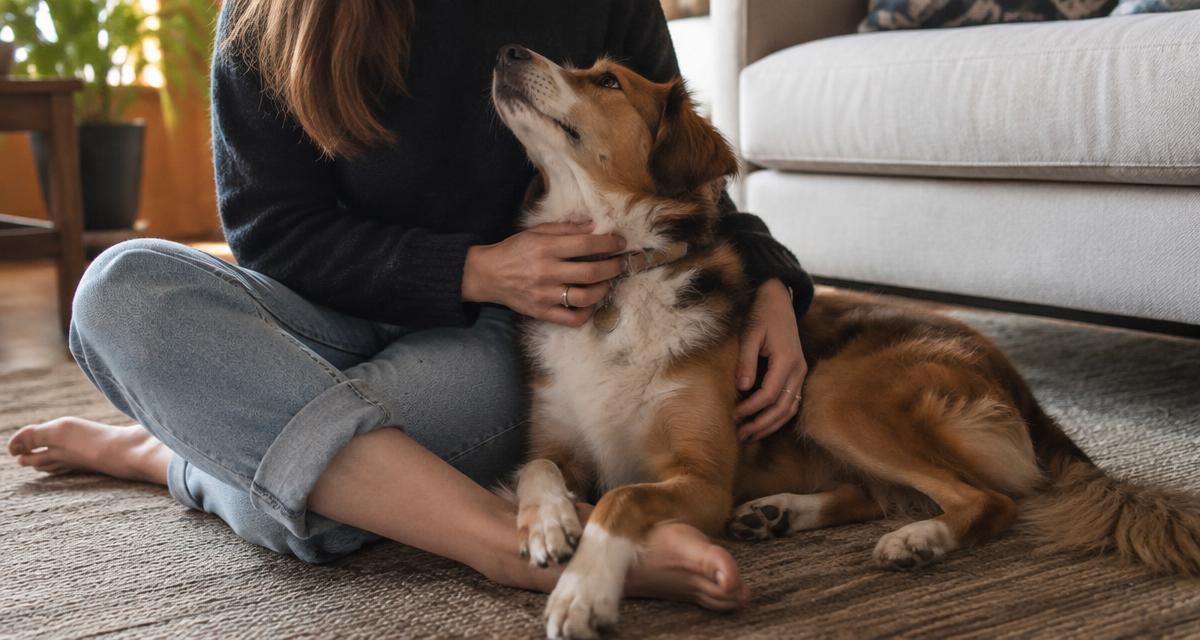
This is what a bond actually looks like
No command, no training cue — just a dog who knows exactly who she is waiting for. Bonding is built out of hundreds of small moments like this one.
10 bonding activities that map to how dogs think
Each activity strengthens your relationship while also exercising a specific cognitive skill. That is why they work — and why they are worth recording.
- 1
Play short, choice-based games
Games where your dog makes a real choice — not just obedience drills — reveal how they think and let you cheer their decisions. This builds trust faster than repeated commands.
Reasoning & memory
- 2
Use your voice as information, not just instruction
Talk to your dog about what is happening next. Dogs who learn to read human communicative cues form stronger attachments, and that skill is at the heart of the empathy dimension.
Empathy & communication
- 3
Let them sniff on walks
Sniffing is how dogs gather news and make choices. A walk with permission to sniff is quality time from your dog's point of view, not just exercise.
Memory & reasoning
- 4
Practice calm, predictable touch
Brief, gentle contact during calm moments lowers arousal for both of you. Touch is most bonding when it is not tied to a command or excitement.
Empathy
- 5
Teach one new thing a week
Novel, low-stakes learning keeps your dog engaged with you as a source of good information. The memory dimension grows when old skills meet new contexts.
Memory
- 6
Share quiet proximity
Simply being near each other without an agenda strengthens social attachment. This is especially powerful for rescue or shy dogs.
Empathy & communication
- 7
Let them solve a puzzle before you jump in
When your dog works out a food puzzle, wait. Celebrating their independent success builds confidence and teaches them you trust their judgment.
Reasoning & cunning
- 8
Invite social play with other dogs
Appropriate dog-dog play refines social skills and reduces frustration at home. Good play has give-and-take, not one dog always chasing.
Communication
- 9
Keep a loose routine
Dogs predict the day through patterns more than clocks. A predictable framework lowers anxiety and makes your presence a reliable signal.
Memory & empathy
- 10
Record moments, not just milestones
The small choices your dog makes every day are the real bond data. Capturing them in CanineQ turns months of moments into a story you can both look back on.
All five dimensions
Bonding is easier when you know how your dog learns
Some dogs bond through problem solving, others through physical closeness, and others through reading your signals. The Dognition Assessment shows which dimensions come naturally to your dog, so you can choose the games and routines that fit them best.
After the assessment, weekly challenges keep the two of you learning together, and CanineQ turns those everyday moments into a monthly chapter about your dog's mind. Curious what play reveals in the meantime? See what your dog's play style says about how they think.
Frequently asked questions
- How long does it take to bond with a dog?
- There is no fixed timeline. Puppies often attach quickly; rescue dogs may need weeks or months of consistent, low-pressure interactions. The bond deepens when your dog learns to predict that good things come from you.
- Can you bond with an older dog?
- Yes. Older dogs can form strong new attachments. Patience, routine, and letting the dog choose to approach you are usually more effective than forcing interaction.
- Do cognitive games help bonding?
- Yes. Games that ask your dog to make choices and read your cues build cooperation and trust. The Dognition Assessment is designed around this idea: the games measure how your dog thinks while you and your dog play together.
- How does Dognition turn bonding into a story?
- CanineQ records the choices your dog makes in the assessment, in weekly challenges, and in everyday videos you upload. Over time those choices become Your Dog's Story — a monthly chapter about who your dog is becoming.