Dog Play Styles: What Your Dog's Play Reveals
Play is not just fun to watch — it is a window into how your dog thinks. Record 30 seconds the next time your dog plays and see which pattern shows up.
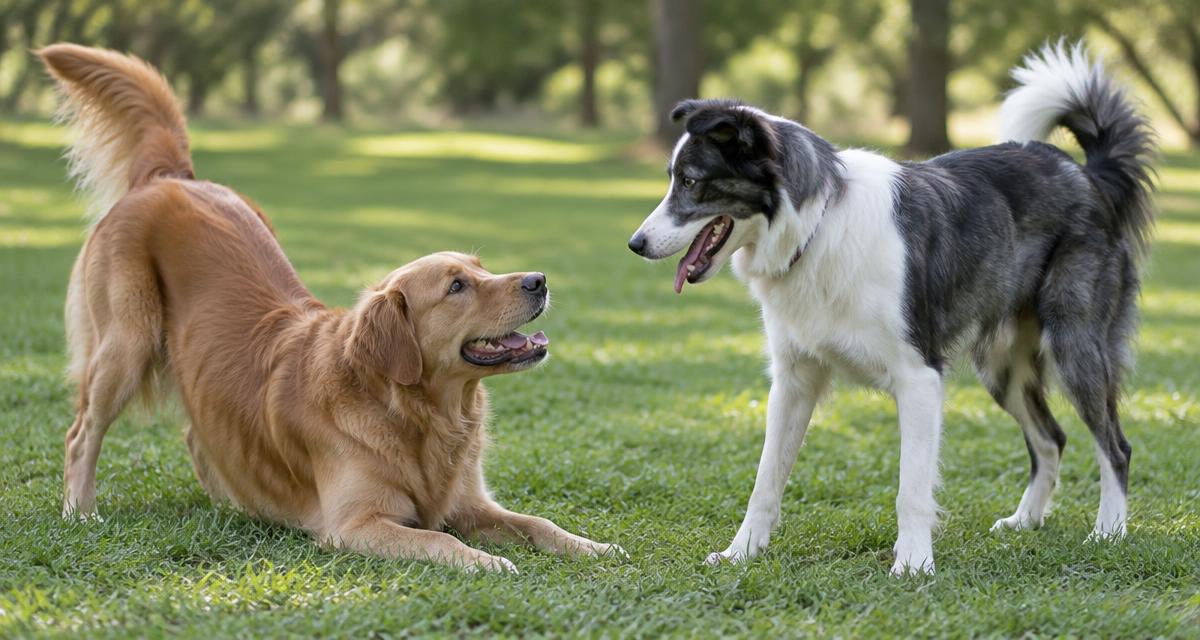
Six recognizable play patterns
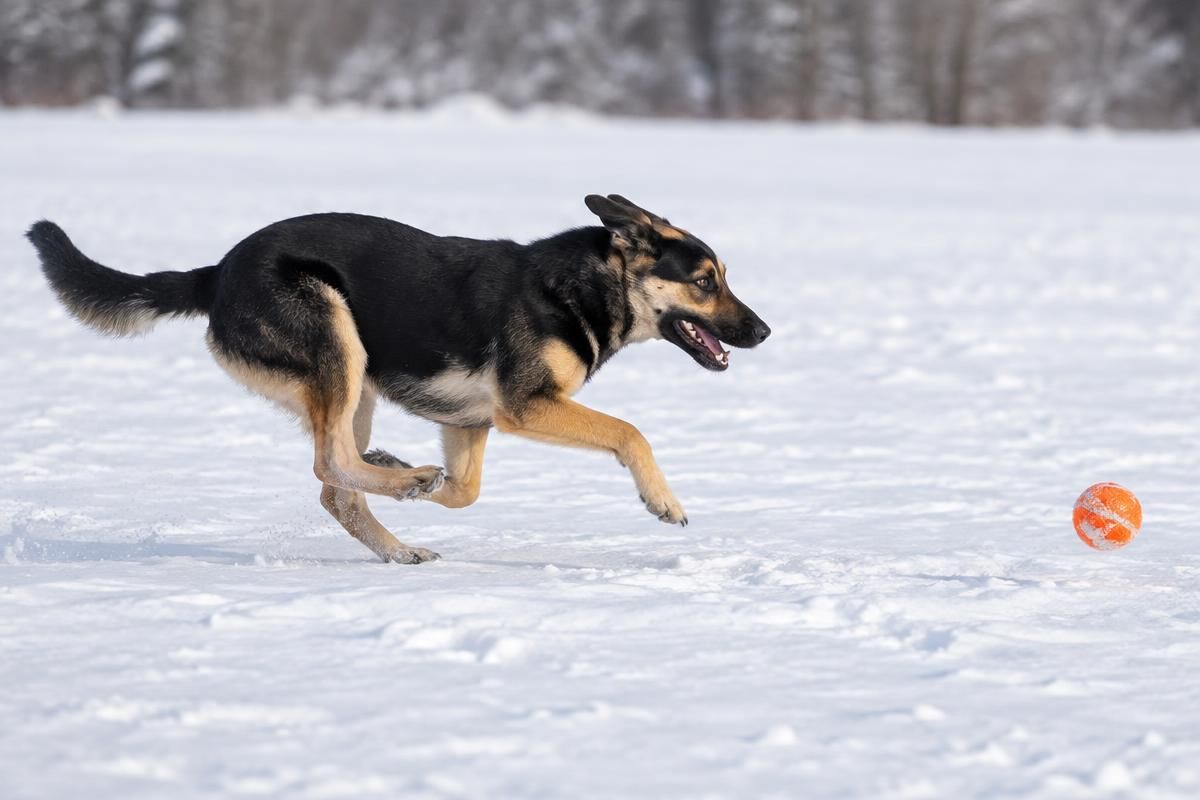
The Chaser
Record 30 seconds and watch for: Sprints after the other dog or a thrown toy, circles back, and initiates again the moment the chase ends.
Chasers are drawn to fast-moving targets and quick feedback loops — a physical-world orientation more than a social-reading one.
Maps to: Cunning (physical problem-solving)
See the Maverick profile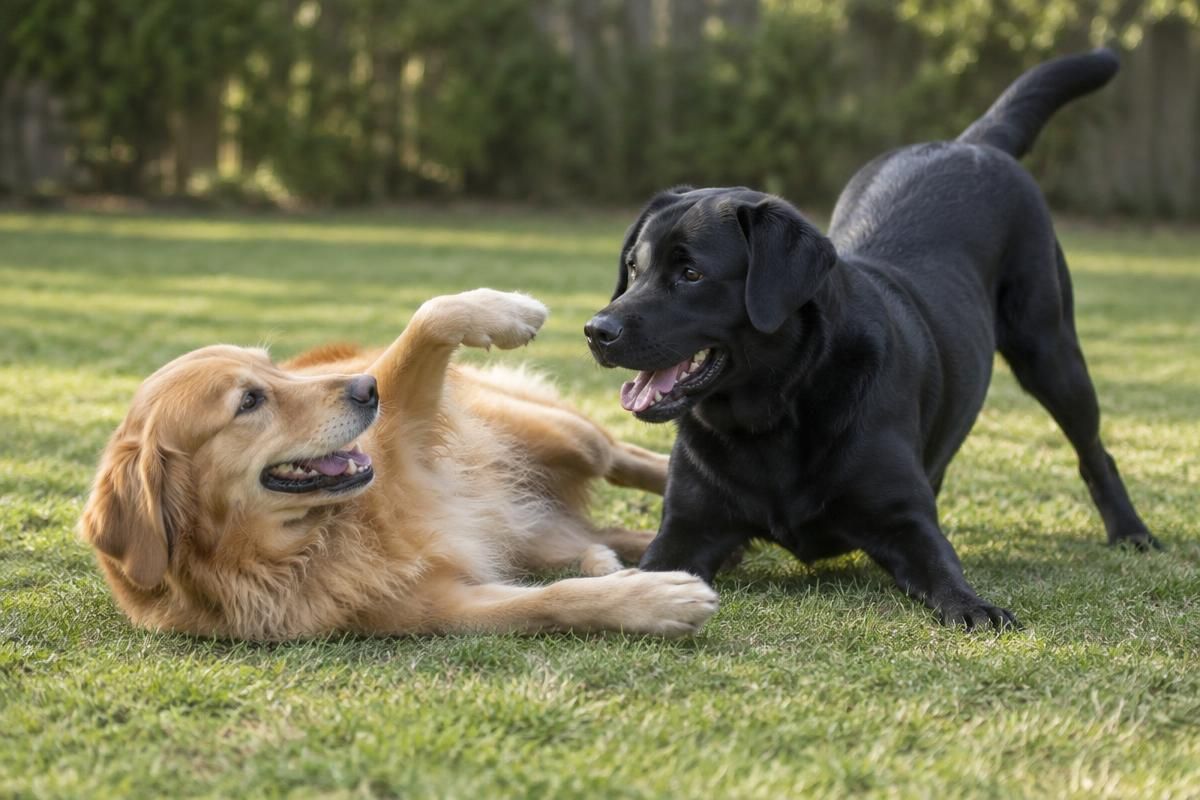
The Wrestler
Record 30 seconds and watch for: Body-slams, mouths at the neck and shoulders, rolls onto their back and pops back up to keep going.
Wrestling requires reading a partner's signals moment to moment to keep the contact fun instead of tipping into conflict — a bonded, socially attentive style of play.
Maps to: Empathy (gaze & bonding)
See the Charmer profile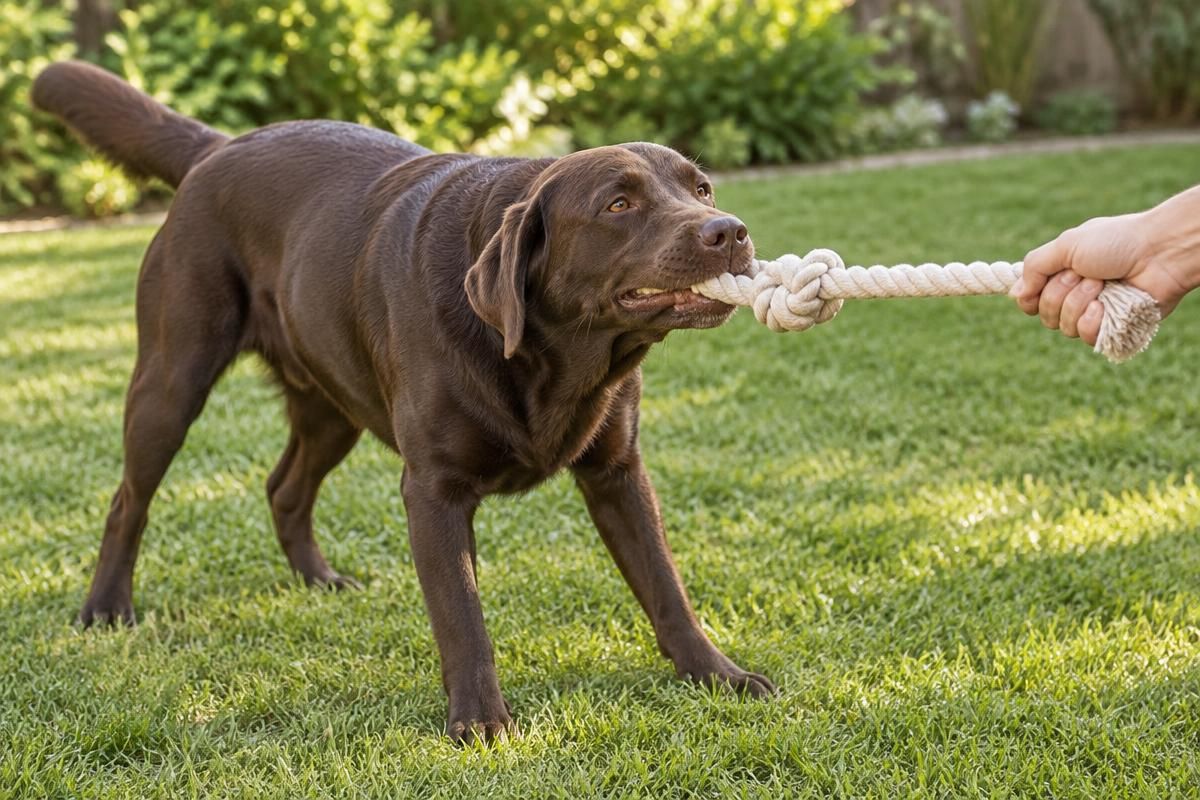
The Tugger
Record 30 seconds and watch for: Grabs a rope or toy and pulls, growling in a loose, exaggerated way, and lets go the instant the game pauses.
Tug is a negotiation — how hard to pull, when to let a person or dog win, when to escalate. Dogs who tug well are often reading a partner's engagement closely.
Maps to: Communication (reading your gestures)
See the Socialite profile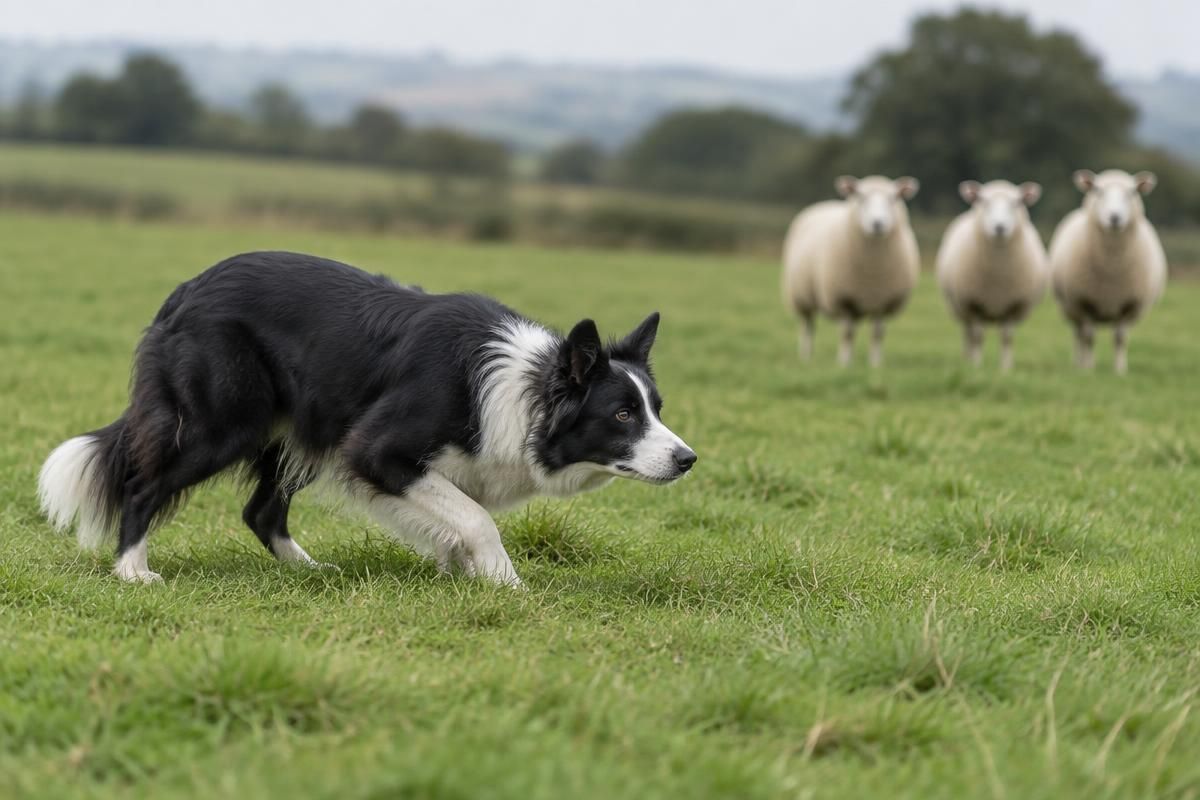
The Herder
Record 30 seconds and watch for: Circles the group, nips at heels, tries to bunch other dogs or kids into one place rather than joining the chaos.
Herding-style play blends physical strategy with a drive to organize the environment — reading movement patterns and predicting where things will go next.
Maps to: Reasoning (inference)
See the Einstein profile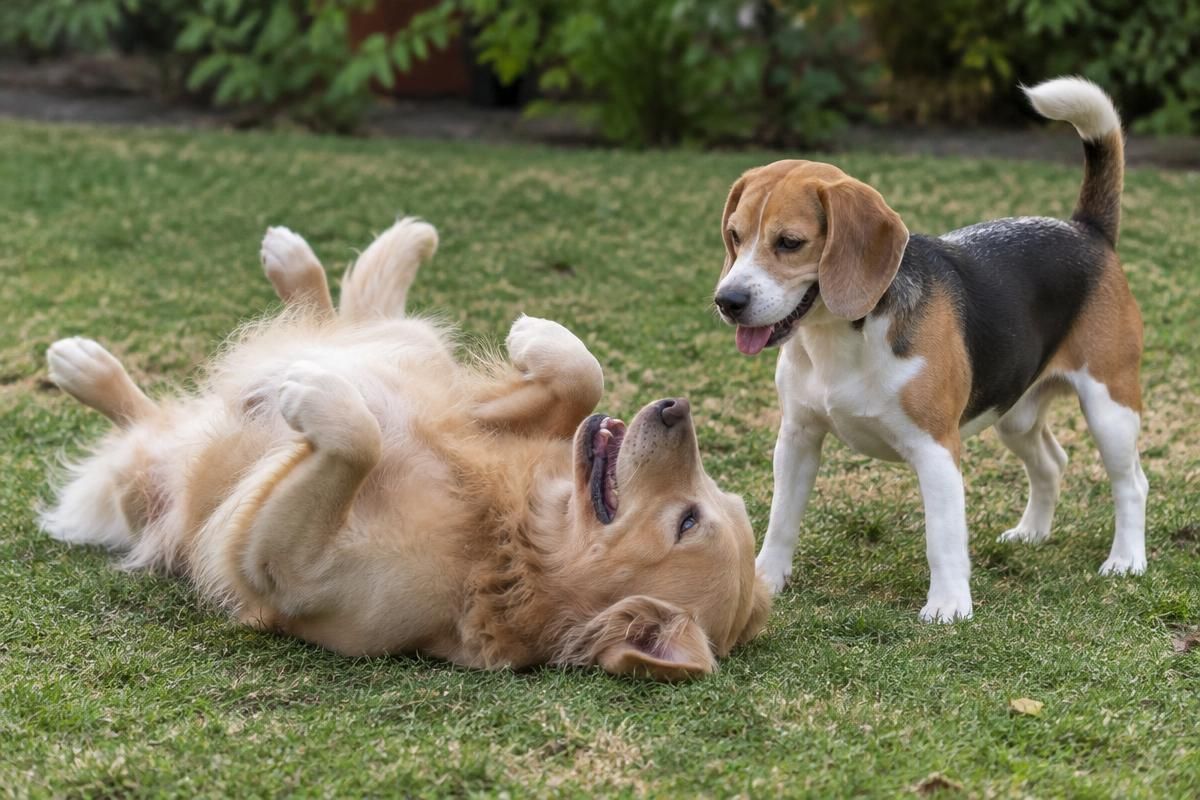
The Self-Handicapper
Record 30 seconds and watch for: A bigger or stronger dog rolls onto their back, slows down, or lets a smaller dog win the tug — deliberately playing beneath their ability.
Self-handicapping is considered a sign of social sophistication: the dog is tracking a partner's ability and adjusting their own behavior to keep the game fair and going.
Maps to: Empathy (gaze & bonding)
See the Ace profile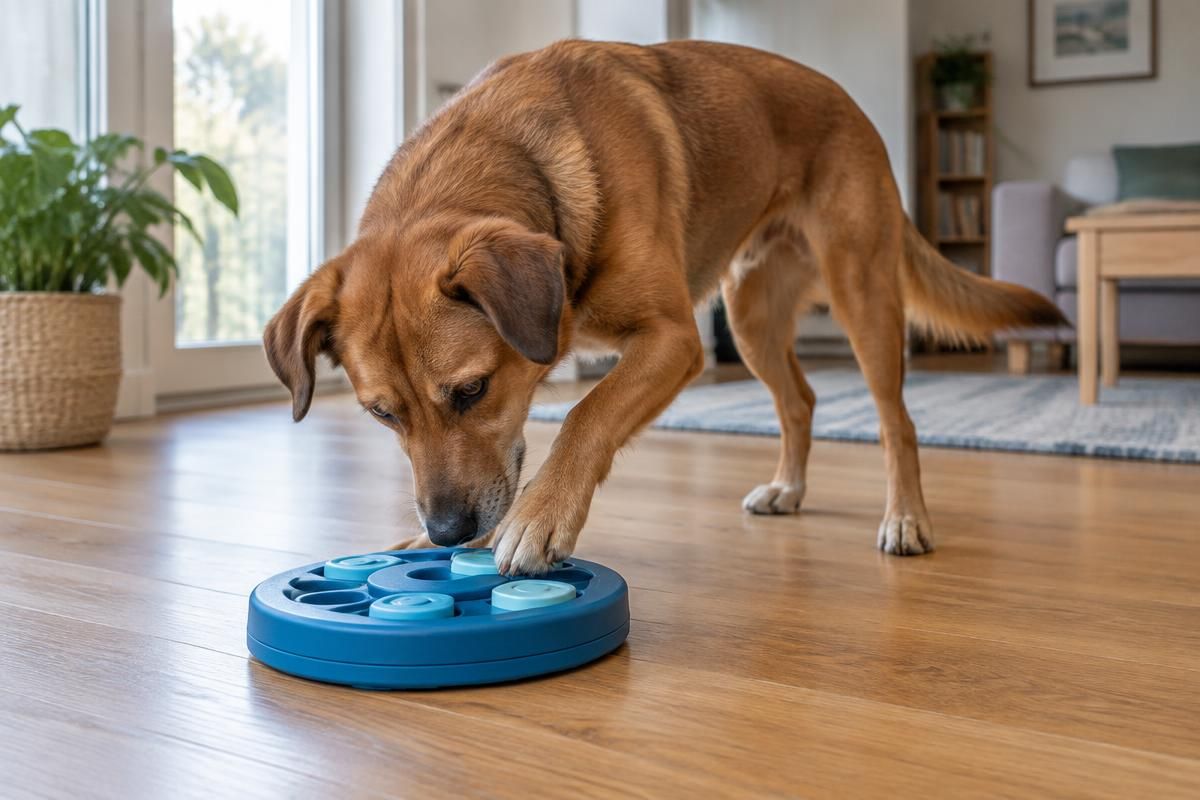
The Solo Problem-Solver
Record 30 seconds and watch for: Plays contentedly alone with a puzzle toy or a stick, working out how to move or open something without checking in with anyone.
Independent, self-directed play favors working things out through trial and error rather than looking to a person or another dog for the answer.
Maps to: Cunning (physical problem-solving)
See the Expert profilePlay is one data point — the assessment is the full picture
A single play session hints at how your dog thinks. The Dognition Assessment measures it directly, and the quiz is a fast way to get a first read before you dig deeper.
Frequently asked questions
- Does my dog have only one play style?
- No. Most dogs blend styles depending on the partner, the toy and the setting. A dog might wrestle with a housemate and chase a ball solo — both are useful data points.
- Is self-handicapping really a sign of intelligence?
- Researchers view self-handicapping — a bigger dog deliberately playing beneath their ability — as evidence a dog is tracking a partner's capability and adjusting in real time, which relies on social awareness.
- My dog only wants to play alone. Is that a problem?
- Not necessarily. Some dogs are simply more independent problem-solvers by nature. What matters is whether the pattern is consistent and your dog still seems comfortable around other dogs and people.
- How much footage do I need to identify a play style?
- Often just 30 seconds of unedited play is enough to spot a repeating pattern — what a dog does the moment play starts and the moment it's interrupted.
- How does play style connect to my dog's cognitive profile?
- Dognition's nine cognitive profiles are built from assessment results across dimensions like empathy, communication, cunning and reasoning — the same dimensions that show up in how a dog chooses to play.