Is Being a Dog Influencer Stressful for Dogs?

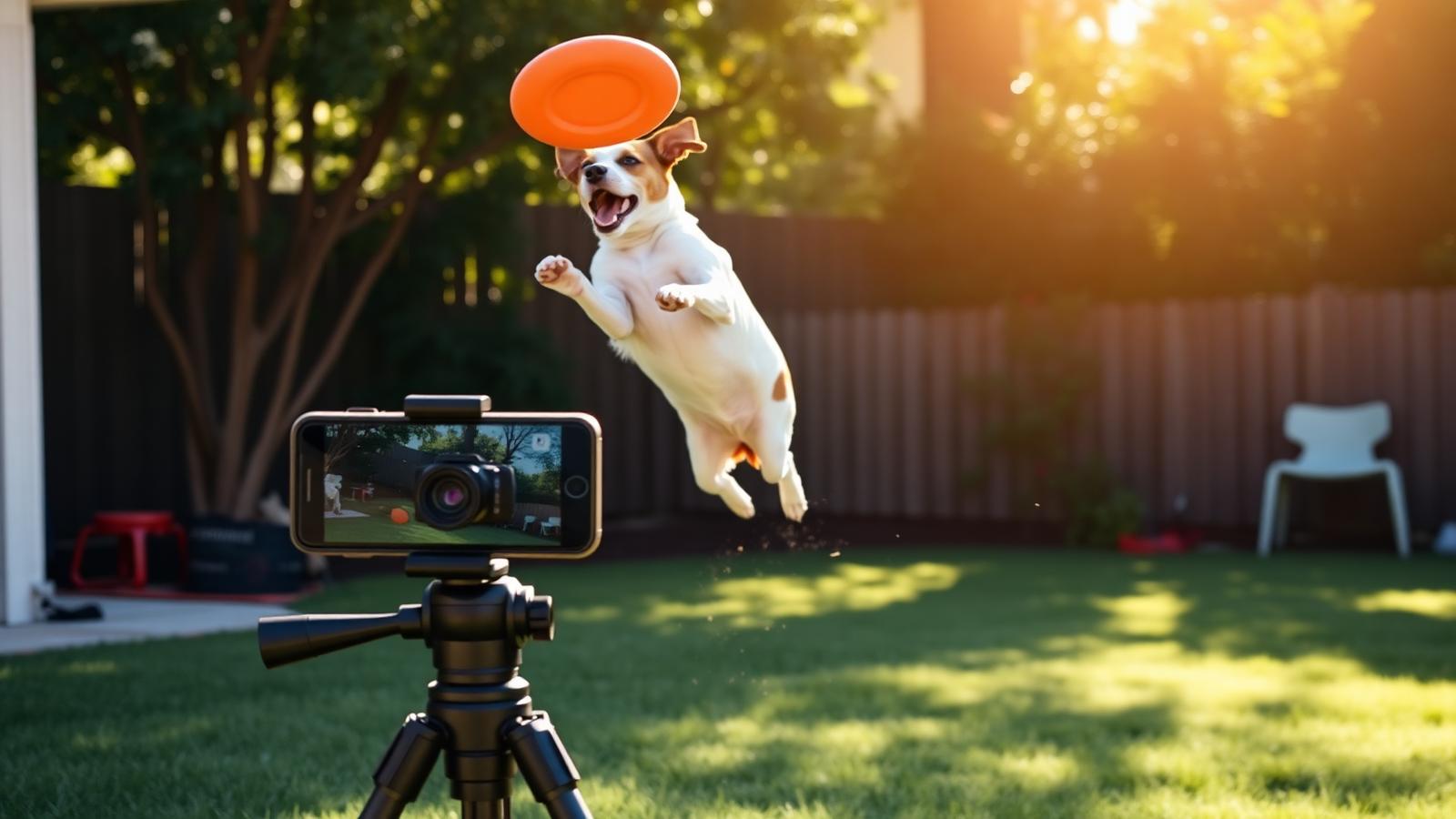
It is a fair question, and it deserves a straight answer: it can be. Content creation is not inherently bad for dogs — much of it looks like training, play, and enrichment, all of which dogs benefit from. What causes harm is volume, costumes and handling a dog dislikes, crowds, and sessions that continue past the point of enjoyment.
Quick answer
Filming is not stressful for dogs in itself. It becomes stressful when sessions are long, repetitive, physically restrictive, held in crowded or noisy environments, or continued after a dog signals they want to stop. Short, reward-based sessions that a dog can freely leave are generally enriching rather than harmful.
Stress signals to watch for
- Lip licking, yawning, or repeated blinking when nothing prompts it
- Whale eye — visible whites of the eyes when the head is turned away
- Turning away, freezing, or moving behind you
- Lowered body, tucked tail, flattened ears
- Shaking off when nothing is wet
- Refusing food they normally take
- Avoiding the room, the mat, or the camera itself
Any of these mid-session means stop. A dog who consistently avoids the setup is telling you the format is wrong.
Guardrails worth adopting
- Free exit. Every session happens somewhere your dog can leave. If they leave, it is over.
- Five-minute cap. Several short sessions beat one long one, for both welfare and footage quality.
- No forced dressing. If your dog freezes or stiffens in a costume, it is not content, it is restraint.
- Protect rest. Adult dogs sleep a great deal. Do not wake a sleeping dog for a clip.
- Limit public shoots. Crowds, strangers reaching in, and unfamiliar dogs stack stressors quickly.
- Say no to briefs. A brand paying does not override your dog's threshold. Say no in writing and offer an alternative.
Why welfare and performance point the same way
Dogs who enjoy a task work with loose bodies, forward ears, and offered behavior — and that reads beautifully on camera. Dogs who are tolerating a task look like it. Audiences are increasingly literate in dog body language, and comment sections are quick to point it out. Protecting your dog is also the reliable route to better content.
Getting the fit right from the start
The strongest protection is choosing a format your dog is cognitively suited to, rather than pushing them into one they are not. Dognition's assessment, built on the research of Dr. Brian Hare and Vanessa Woods at the Duke Canine Cognition Center, maps how your individual dog thinks and where their strengths lie.
Understand your dog before you film them →
This article is general guidance, not veterinary or behavioral advice. If your dog shows persistent signs of anxiety, consult your veterinarian or a qualified behaviorist.