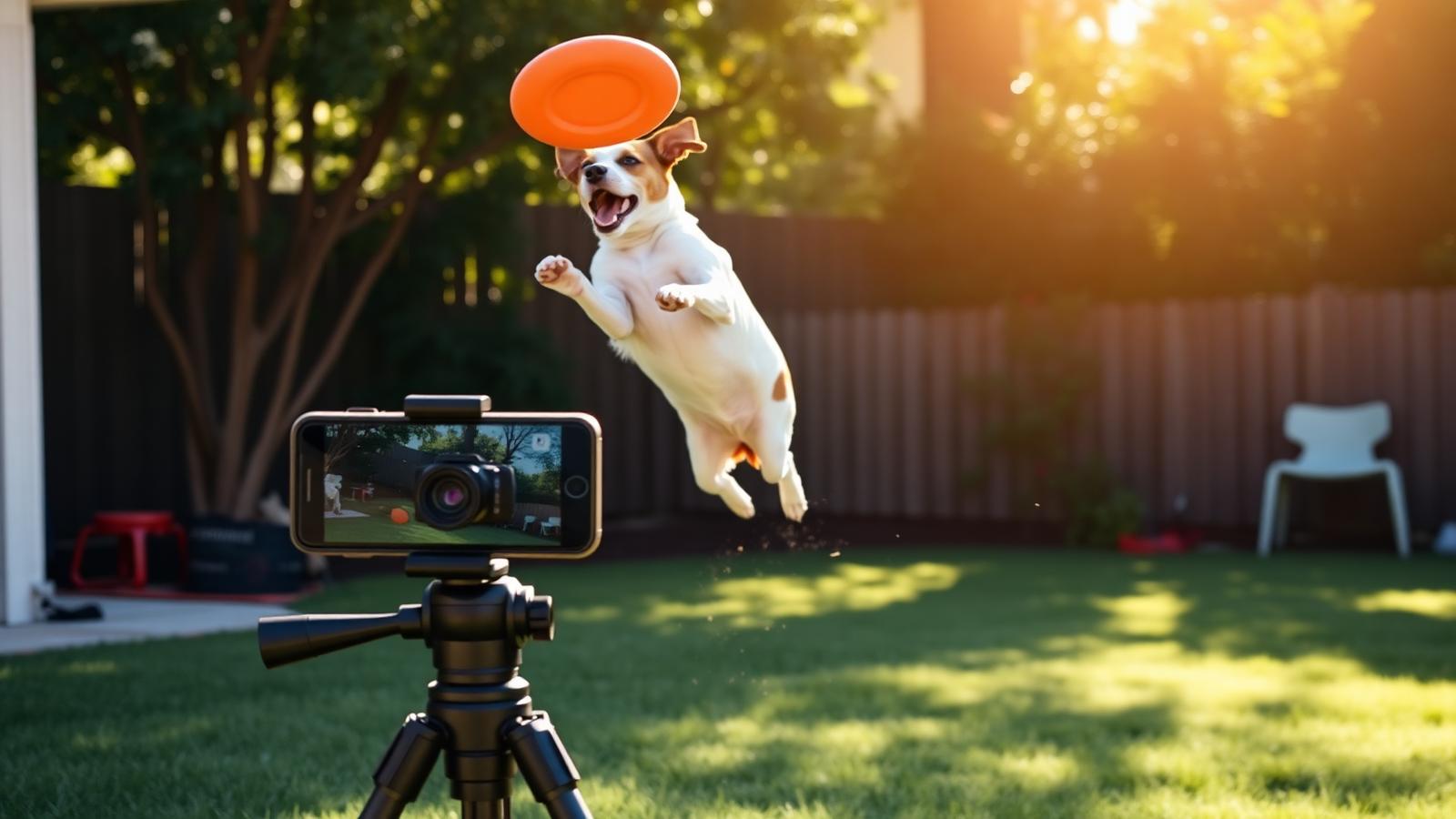
Your Dog's Cognitive Profile and Content Style
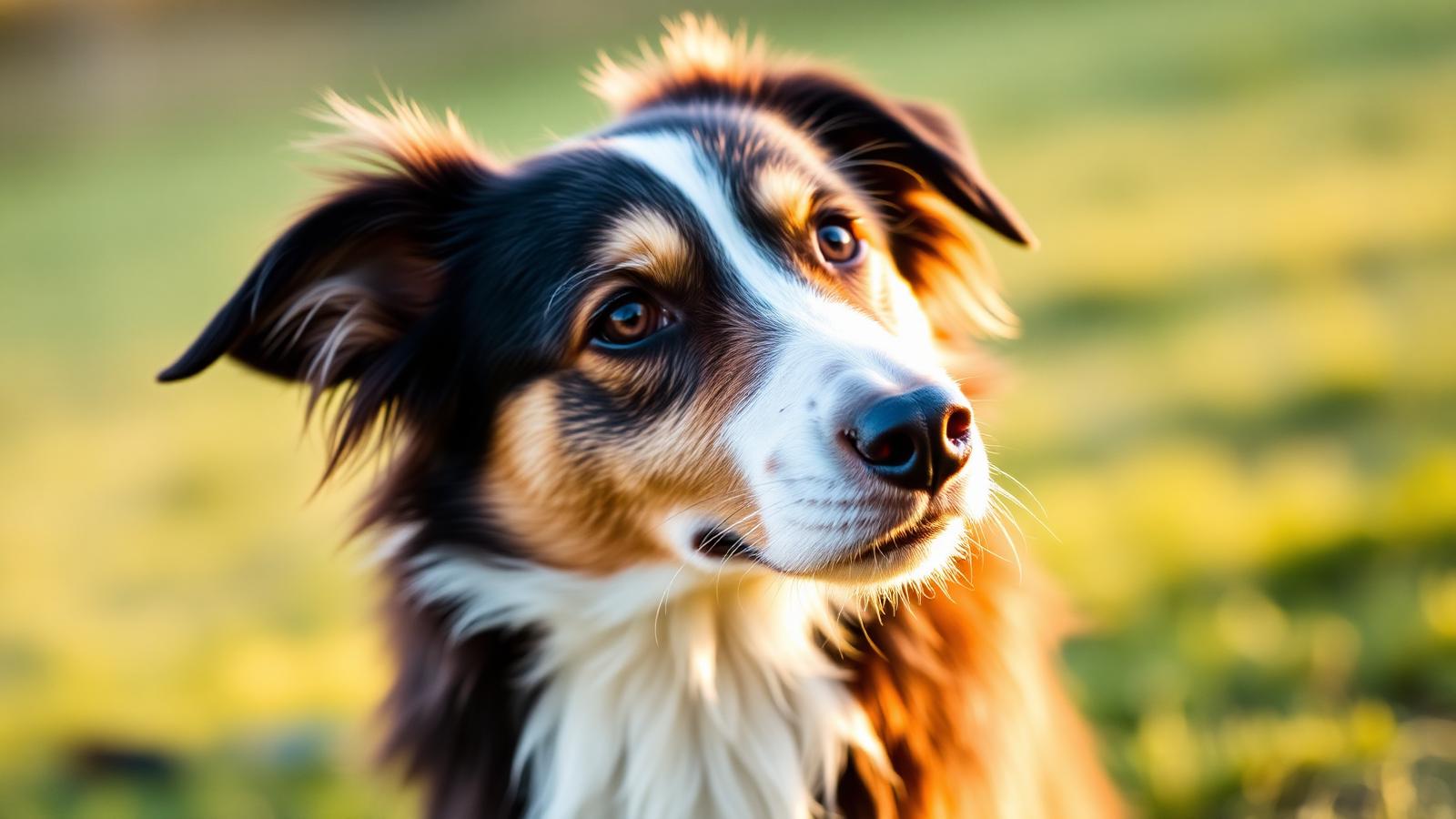
Most pet content advice treats dogs as interchangeable. Film a trick, add a trending sound, repeat. But anyone who has tried to make a genuinely independent dog perform for a camera knows how quickly that falls apart — and how easily a socially attentive dog does the same thing on the first take.
That difference is not obedience. It is cognition.
Quick answer
Canine intelligence is not one scale. Dogs vary across dimensions including empathy, communication, cunning, memory, and reasoning, and their profile predicts which content formats they will find rewarding. Matching format to profile produces content that looks effortless because, for that dog, it is.
The five dimensions in plain terms
- Empathy — how closely your dog reads and responds to your emotional state.
- Communication — how well your dog interprets your gestures, gaze, and cues.
- Cunning — whether your dog works around rules when it suits them.
- Memory — whether your dog relies on recall of what happened before.
- Reasoning — how your dog infers solutions to physical problems.
Which format suits which mind
- High communication and empathy — reaction content, duets with you in frame, cue-based comedy, expressive portraiture. These dogs are watching you, which reads on camera as connection.
- High reasoning — puzzle sequences, DIY enrichment builds, "can my dog solve this" formats. Let the problem, not you, be the star.
- High cunning — heist and mischief narratives, treat-guarding bits, before-and-after chaos. Lean into the personality rather than fighting it.
- High memory — trick chains, name-the-toy games, long-running series where progress is the story.
- Independent and self-directed — travel, scentwork, landscape and adventure content where your dog can move freely rather than perform.
Nine profiles, nine content personalities
Dognition sorts dogs into nine cognitive profiles — Ace, Charmer, Socialite, Expert, Renaissance Dog, Protodog, Einstein, Maverick, and Stargazer — based on how they score across those dimensions. A Charmer will give you eye contact all day. A Maverick will solve the puzzle and walk off before you finish filming. Neither is better; they are simply different shows. See all nine profiles →
How to use this practically
- Assess your dog rather than guessing. Guessing tends to describe the dog you wish you had.
- Pick the two formats that match the profile and drop the rest for a month.
- Watch retention, not likes. Retention tells you whether the dog is carrying the clip.
- Stop each session while your dog still wants more.
The science behind it
Dognition's assessment is built on the canine cognition research of Dr. Brian Hare and Vanessa Woods at the Duke Canine Cognition Center, authors of The Genius of Dogs and Puppy Kindergarten, and draws on a normative dataset of more than 122,000 dogs.