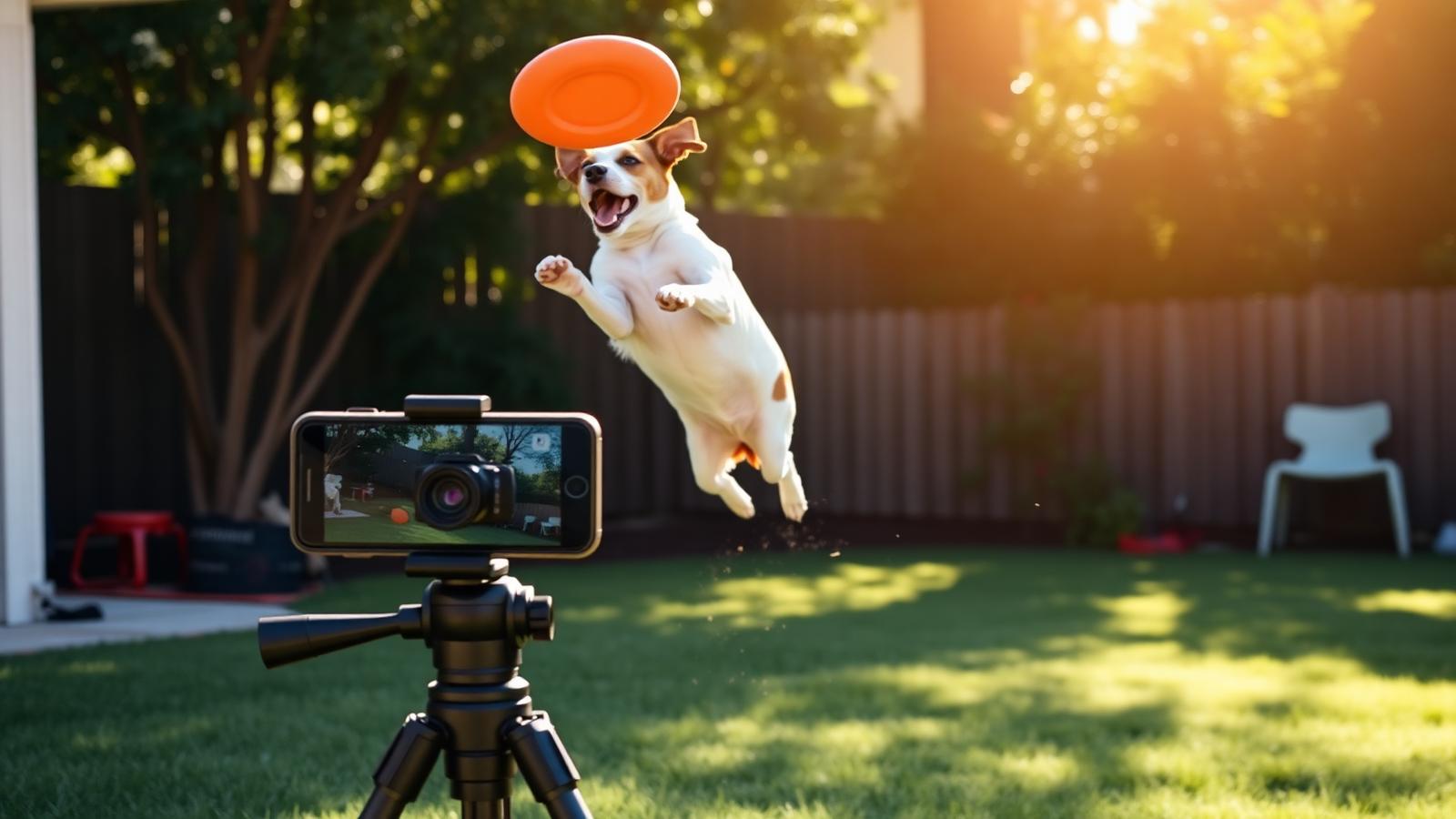
How to Become a Pet Influencer: A 90-Day Plan
Search "how to become a pet influencer" and you will find the same five tips repeated forever: post consistently, use hashtags, find your niche, engage with your community, be authentic. All true. None of it tells you what to film on Tuesday morning.
Here is a different starting point. The pet accounts that grow are the ones where the dog is visibly having a good time. That is not a personality trait you either have or do not have — it is a match between the content format and the way your individual dog thinks. Get that match right and everything else gets easier.
Quick answer: how do you become a pet influencer?
Pick one platform, define a repeatable content format your dog genuinely enjoys, post three to five times a week for 90 days, and treat the first month as data collection rather than growth. Most accounts that reach brand-deal size do it by owning one narrow, recognizable format — not by posting everything.
Days 1–14: find your dog's format, not your niche
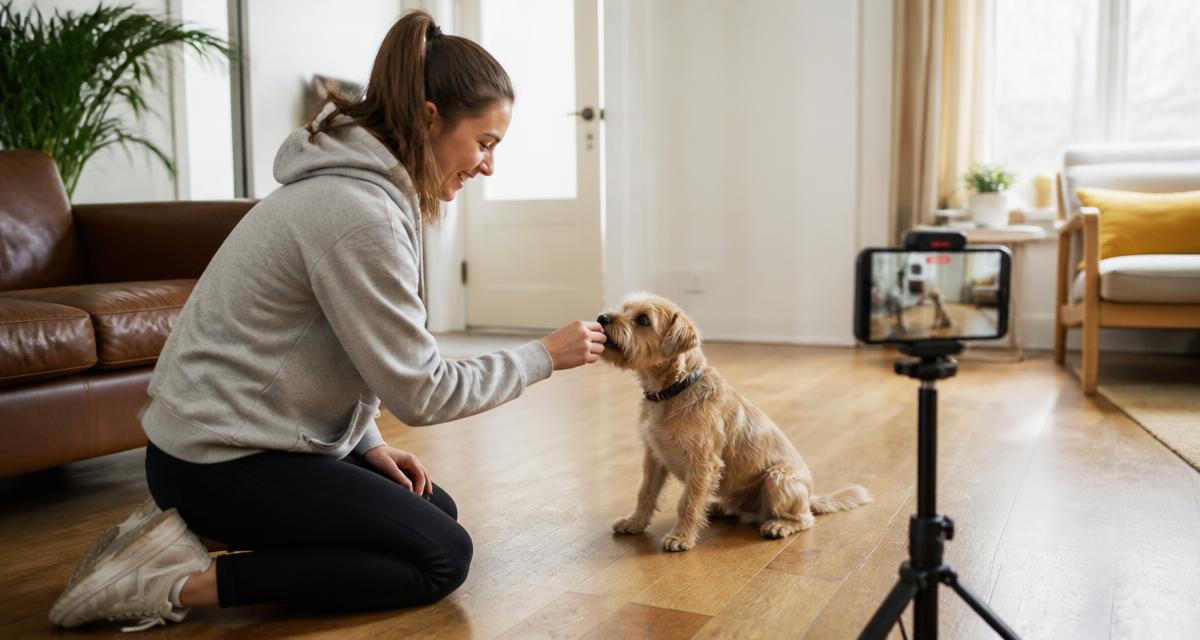
Before you plan a content calendar, spend two weeks watching. Film short clips of your dog doing five different things: solving a food puzzle, learning a new trick, meeting a person, exploring somewhere new, and simply resting somewhere beautiful. You are not posting these. You are looking for which one your dog leans into.
Dogs differ enormously here. A dog with high social attention will produce magnetic content looking at you, reacting to you, responding to your voice. An independent problem-solver will look bored in that same setup and brilliant in a puzzle clip. This is the core insight from canine cognition research: dogs are not more or less smart, they are smart in different ways. Our guide to matching content style to cognitive profile breaks this down properly.
Days 15–30: build a repeatable format
A format is a shape you can repeat weekly: "my dog tries a new puzzle every Sunday," "one trick, filmed in one take," "senior dog reviews a walk." Formats beat one-off cute clips because they teach the algorithm and the audience what to expect.
- Choose one primary platform. Short vertical video (TikTok, Reels, Shorts) grows fastest; Instagram photos build brand relationships.
- Film in daylight near a window or outdoors. Lighting matters more than gear.
- Keep sessions under five minutes. Sessions that outlast your dog's enthusiasm show on camera.
- Shoot at your dog's eye level. It is the single biggest amateur-to-professional shift.
Days 31–60: post, measure, prune
Post three to five times a week and, at the end of each week, look at which clips retained attention past three seconds. Cut what is not working, even if you loved making it. Most accounts discover their real format around week six — and it is rarely the one they planned.
Reply to every comment in the first hour after posting. Early engagement is the cheapest growth lever available to a small account.
Days 61–90: make yourself findable to brands
Brands search for pet creators the way anyone else searches: by niche and by geography. Put both in your bio. Add a contact email. Keep a simple one-page media kit with your audience size, average views, engagement rate, audience location, and two or three example posts. You do not need 100,000 followers to be useful to a brand — a 4,000-follower account with a highly engaged, well-defined audience is often a better buy than a large generic one.
When the offers start arriving, read our guide to how pet influencers actually make money before you agree to anything.
The part most guides skip: your dog's consent
Every session should be something your dog can leave. If your dog walks away, the session is over. If your dog starts avoiding the camera, the format is wrong. Content built on a stressed dog looks like content built on a stressed dog, and audiences increasingly notice. We cover the warning signs in is being an influencer stressful for dogs?
Start with what your dog is actually good at
The fastest shortcut in this whole plan is knowing how your dog thinks before you decide what to film. Dognition's assessment is a set of short, science-based games you play at home; it maps your dog across cognitive dimensions like empathy, communication, memory, reasoning, and cunning, and places them in one of nine profiles. That profile tells you which content format your dog will love — and which will always feel like work.