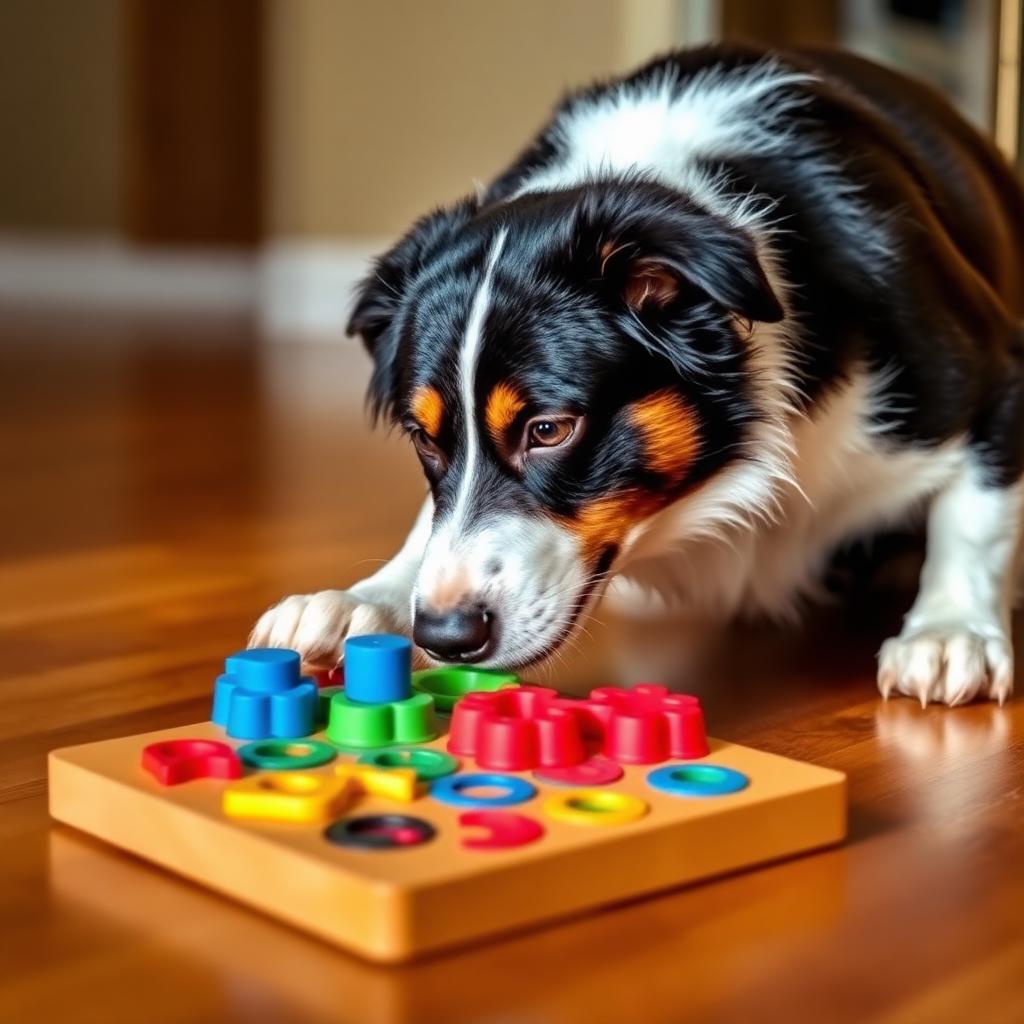
Top 10 Science-Backed Dog Training Tips
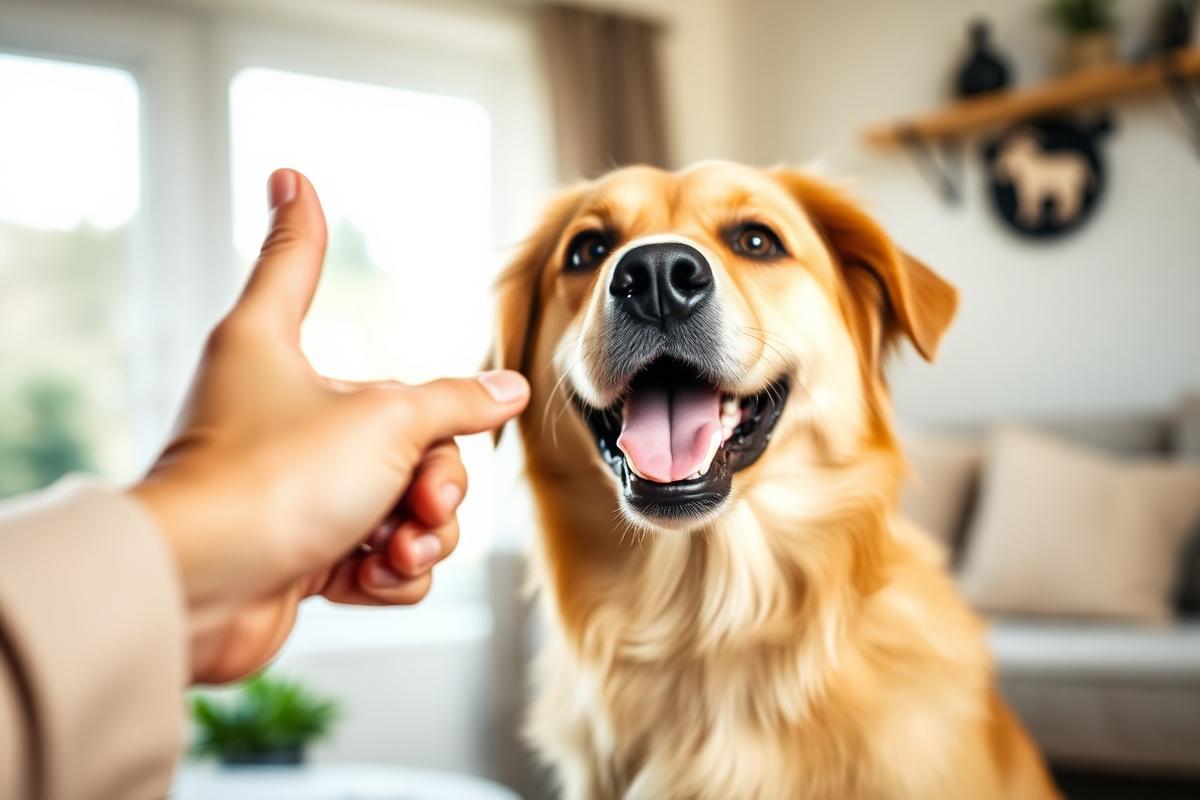
If you've ever looked into your dog's eyes while they're frantically barking at a toaster and wondered, "What is going on in that little furry head?" — you're not alone.
For decades, traditional dog training treated dogs like mini-wolves that needed to be bossed around. But thanks to pioneering research from evolutionary anthropologists Dr. Brian Hare and Vanessa Woods (authors of The Genius of Dogs and Puppy Kindergarten), we now know the truth: dogs aren't trying to take over your household; they are cognitive geniuses tailored specifically to cooperate with humans.
By shifting your mindset from "command and obey" to understanding how dogs actually think, solve problems, and bond, you can transform your training routine. Here are 10 fun, science-backed tips based on canine cognition that most people miss.
1. Ditch the "alpha" myth (dogs are partners, not dictators)
Forget the old-school idea that you need to be the "pack leader" or "alpha." Dogs know you aren't a giant hairless dog. Hare and Woods' research shows that dogs evolved through a process of self-domestication, selecting for friendliness and cooperation over dominance.
The cognitive shift: Training isn't a battle of wills. It's a cross-species team project. When you replace dominance tactics with cooperative communication, your dog learns faster because they feel safe, not threatened.
2. Speak "point-ish" (harness their native superpower)
Did you know that even our closest evolutionary relatives, chimpanzees, are terrible at understanding human pointing? Dogs, on the other hand, understand human gestures intuitively from early puppyhood.
The secret: Use your body language intentionally. If you want your dog to find a hidden treat or look at an object, don't just use your voice — point, lean, and direct your gaze. Your dog is hyper-attuned to your visual cues.
Fun fact from the lab: In cognitive testing, puppies understand human pointing gestures almost from the moment they open their eyes — even before they've had extensive human handling.
3. Train "inhibitory control" (the brain's brakes)
One of the key findings highlighted in Puppy Kindergarten is the crucial role of inhibitory control — a dog's ability to resist immediate impulses. A dog with good self-control is calmer, happier, and easier to live with.
How to practice: Play games like Wait for the Bowl or Leave It with low-value items before scaling up to bacon. Teaching your dog to pause and check in before lunging for a prize builds their cognitive "brakes."
4. Treat play as "executive function" training
Play isn't just a way to burn off steam — it's how puppies learn flexible problem-solving, boundary setting, and emotional regulation.
The tweak: Incorporate rules into play. Play a quick game of tug or fetch, pause for a soft "drop it" or "sit," reward them with more play, and resume. This teaches your dog how to switch their brain from high-arousal fun back to focused control in seconds. Our top 20 games to play with your dog are built around exactly this loop.
5. Tailor training to your dog's specific cognitive profile
Just like humans, dogs have different cognitive styles. As explored in The Genius of Dogs (and the Dognition framework), some dogs are Empathizers (focused on social bonds), while others are Mavericks (independent problem-solvers) or Socialites (obsessed with human cues).
The insight: Stop expecting a Border Collie's focus from a Beagle, or a Golden Retriever's social drive from an independent breed. Identify what motivates your dog's specific brain type — whether it's social praise, physical puzzle-solving, or sniffing — and use that as your primary reward. A dog IQ test is the fastest way to find out which profile you're working with.
6. Catch the "puppy kindergarten" developmental windows
If you're raising a puppy, timing is everything. Hare and Woods' extensive work at the Duke Canine Cognition Center highlights critical windows during early development where socialization and cognitive foundation building are effortless.
The forgotten element: Socialization isn't just introducing your pup to 100 people and dogs; it's about creating positive, calm exposures to novel surfaces, sounds, and experiences before fear responses mature. Don't rush or flood them — keep exposures controlled and confidence-building. Start with what puppy kindergarten actually is.
7. Let them ask you for help
When faced with a puzzle they can't solve (like a treat stuck under a couch), wolves will keep trying to chew their way through forever. Dogs, however, will turn around and look you dead in the eye, as if saying, "Hey, human, a little help here?"
The training tip: Encourage this. Eye contact is your dog's way of inviting cooperative problem-solving. When your dog looks back at you during a tricky situation, reward that eye contact. It builds a powerful feedback loop where they check in with you rather than panicking or acting out.
Wolf Logic:  [Puzzle] ---> Bite it harder forever.
Dog Logic:   [Puzzle] ---> Look at human ---> Profit.
8. Don't rob them of "aha!" moments
Dogs possess inferential reasoning — the ability to figure things out by process of elimination. If you hide a toy in one of two cups and show them that Cup A is empty, a smart pup infers the toy is in Cup B.
How to use it: Stop over-prompting every micro-movement. Give your dog 3 to 5 seconds to figure out what you want during a new game before jumping in to micro-manage them. That lightbulb moment builds confidence and long-term memory.
9. Remember: oxytocin runs the show
When you and your dog stare into each other's eyes affectionately, both of your brains release oxytocin (the bonding hormone). This feedback loop is unique to the human-canine bond.
The takeaway: Emotion drives learning. A dog that feels secure and attached learns exponentially faster than a dog operating under stress or confusion. If a training session feels frustrating, take a breath, do a simple trick your dog loves, share a cuddle, and end on a high note.
10. Focus on working memory, not just speed-feeding
Dogs have short-term memory limits, but their working memory — holding information in mind while performing a task — can be expanded with fun brain games.
The upgrade: Instead of just practicing "sit-stay" in a boring living room, give your dog a task that challenges their memory. Hide three toys in the house, name one, and encourage them to find the specific item. It exercises their brain far more than physical exercise alone.
The bottom line
Dog training isn't about bending a wild animal to your will — it's about having a conversation with one of the most uniquely adapted species on Earth. By tapping into how your dog's brain naturally works, training stops feeling like a chore and starts feeling like a fun game you're both winning.
Want more cognition-first coaching? Browse the Dog Training Tips hub, or take the Dognition Assessment to see exactly which kind of genius is living in your house.