Top 10 Dog Health Care Tips for Winter
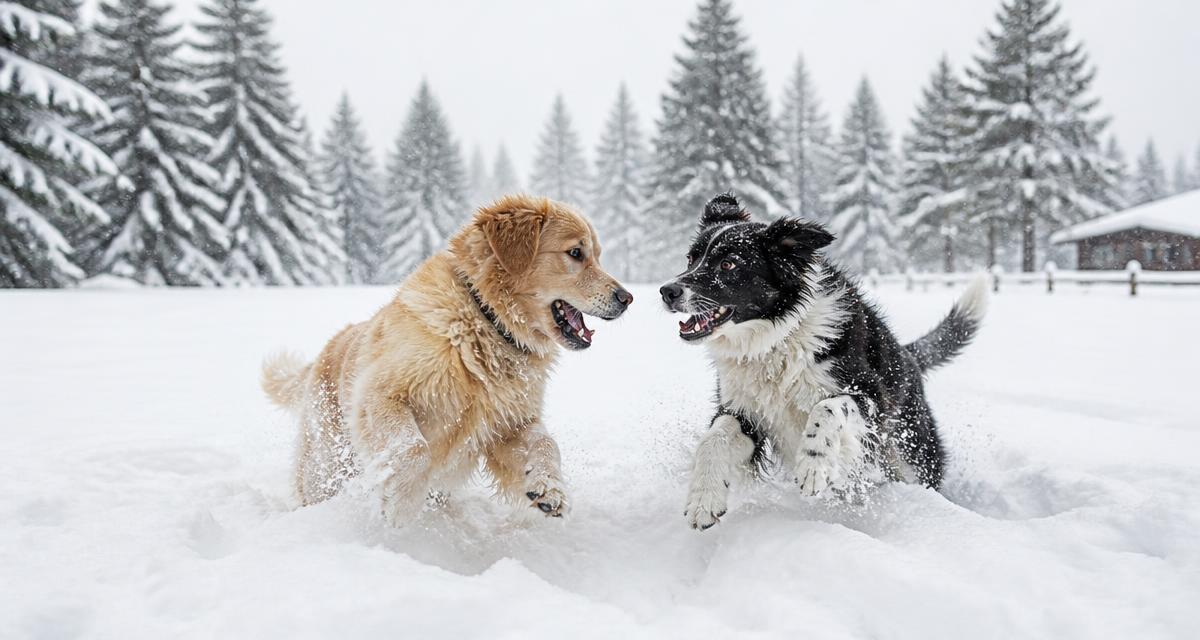
Winter risk is easy to underestimate because dogs look built for it. Coat type, size, age and health change cold tolerance enormously — a husky and a short-coated senior are not in the same weather.
These ten tips cover cold limits, paw damage from ice melt, the winter toxins that show up in garages and kitchens, and how to keep an under-exercised dog mentally settled indoors.
Quick answer
In winter, shorten outdoor time as temperatures fall, protect paws from salt and ice melt by rinsing and drying after every walk, never leave dogs outside unattended in freezing weather, keep antifreeze and holiday foods locked away, and bring your dog inside immediately if you see shivering, whining, slowing down, or lifted paws — those are early cold-stress signs.
10 winter health care tips
Adjust these to your individual dog rather than the forecast alone: coat, size, age and health all change the math.
- 1
Set a cold limit for your specific dog
Small, thin-coated, very young, senior, or chronically ill dogs get cold long before a thick-coated northern breed does. Shorten walks as the temperature drops, and let shivering, lifting paws, whining or turning for home end the outing immediately.
- 2
Rinse and dry paws after every walk
Road salt and chemical ice melt burn pads and cause vomiting when licked off. Rinse with warm water, dry between the toes, and consider a paw balm or boots your dog has been conditioned to wear.
- 3
Keep the fur between the toes trimmed
Long paw hair collects snow that compacts into painful ice balls. A short trim between the pads prevents most of it.
- 4
Know hypothermia and frostbite signs
Violent shivering that stops, weakness, slow breathing, or pale, cold ear tips, tail and paws are emergencies. Wrap your dog in dry blankets, warm gradually — never with direct high heat — and go to a veterinarian.
- 5
Never leave a dog outside unattended in freezing weather
Ice, wind chill and frozen water bowls turn dangerous fast, and a doghouse is not sufficient shelter in hard cold. Bring dogs indoors and check outdoor water sources if your dog spends supervised time outside.
- 6
Lock down antifreeze and de-icers
Ethylene glycol is fatal in very small amounts, and salt-based de-icers are toxic if eaten. Store both sealed and out of reach, clean spills right away, and consider pet-safer de-icing products around your own doors.
- 7
Support senior and arthritic dogs
Cold stiffens arthritic joints. Add traction rugs on slick floors, a raised or orthopedic bed away from drafts, ramps instead of jumps, and ask your veterinarian about a pain management plan rather than self-treating.
- 8
Watch weight, not just food
Most indoor dogs burn fewer calories in winter, not more. Weigh monthly or run a hands-on body condition check, and adjust portions rather than assuming the cold burns it off.
- 9
Manage dry skin and static
Indoor heating dries skin. Brush regularly, avoid over-bathing, and mention persistent flaking, dandruff or itching to your veterinarian instead of adding oils on your own.
- 10
Replace lost walks with indoor work
On days you cannot get outside, use food puzzles, scent hides, stair recalls, hallway fetch and short training blocks. Fifteen minutes of thinking work settles most dogs more than a cold half-hour walk would.
Winter hazards worth planning around
Ice melt and road salt
Burns pads on contact and causes stomach upset when licked. Rinse and dry after every walk, and store products away from your dog.
Antifreeze
Sweet-tasting and lethal in tiny amounts. Any suspected ingestion is an immediate emergency — do not wait for symptoms.
Thin ice and frozen ponds
Keep dogs leashed near frozen water. Ice that holds a person may not hold a running dog, and rescues are dangerous for everyone involved.
Cabin fever behavior
Chewing, pacing and barking usually spike when walks get shorter. Add daily mental work before the behavior starts rather than after.
Signs that need a veterinarian, not a home fix
- Shivering that stops suddenly, weakness, slow breathing or unresponsiveness — possible hypothermia
- Pale, grey, hard or cold ear tips, tail or paws — possible frostbite
- Any suspected antifreeze or ice melt ingestion
- Limping, cracked or bleeding pads, or licking paws raw after walks
- New difficulty rising, climbing stairs or getting comfortable, especially in senior dogs
This guide is general educational information, not veterinary diagnosis or treatment. If you think your dog is in danger, call your veterinarian or an emergency animal hospital right away.
Winter is the best season for cognitive work
Short days and hard cold cut walk time, and that lost stimulation is usually what drives winter chewing, pacing and barking. Mental work fills the gap: dogs that solve problems and use their nose indoors settle far more reliably than dogs given extra food or extra TV time.
Because dogs differ in what engages them — memory, reasoning, empathy, cunning — a winter enrichment plan works better when it matches your individual dog's cognitive style.
Winter dog care questions
- How cold is too cold for a dog?
- It depends on the dog, not just the thermometer. Small, thin-coated, senior, puppy and unwell dogs feel cold much sooner than large thick-coated breeds. Shorten outings as the temperature drops, and go inside as soon as your dog shivers, lifts paws, slows down or turns for home.
- Do dogs need boots in winter?
- Boots are helpful in areas with heavy road salt, chemical ice melt or icy crust, but they need to be introduced gradually. If your dog will not tolerate them, rinsing and drying the paws after every walk plus a paw balm is a reasonable alternative.
- Is ice melt safe for dogs?
- Standard road salt and many chemical de-icers irritate or burn paw pads and cause stomach upset when licked off. Use a pet-safer product where you can, rinse paws after walks, and store all products out of reach.
- How do I exercise my dog when it is too cold outside?
- Use food puzzles, scent games with hidden treats, short training sessions, hallway fetch and stair recalls. Fifteen to twenty minutes of problem-solving tires most dogs more effectively than an equivalent walk.
- Should I feed my dog more in winter?
- Usually not. Most pet dogs are less active in winter, so extra food leads to weight gain. Check body condition monthly and adjust portions, and ask your veterinarian before changing the diet of a working or outdoor dog.