Top 10 Dog Health Care Tips for Fall
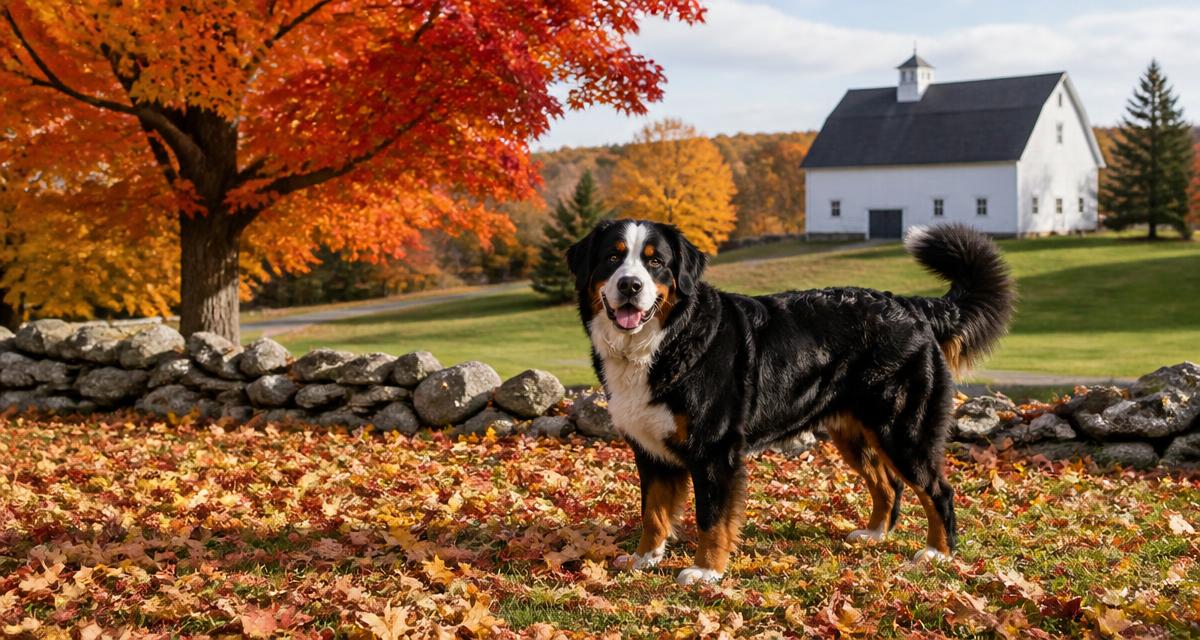
Fall feels like the easiest season for dogs — cool air, comfortable walks, good trails. The risks are quieter: mushrooms after rain, antifreeze in driveways, stiffening joints, dark evening walks, and ticks that are still very much active in leaf litter.
These ten tips cover the fall problems that tend to arrive without warning.
Quick answer
Fall dog care comes down to five habits: keep parasite prevention going because ticks stay active into freezing weather, sweep or avoid mushrooms after rain, watch for arthritis stiffness as temperatures drop, add reflective or lighted gear for dark walks, and treat any suspected antifreeze or mushroom ingestion as an immediate emergency.
10 fall health care tips
Fall is the right time to adjust routines before winter, especially for older dogs.
- 1
Do not stop parasite prevention
Ticks remain active until the ground is consistently frozen, and fall is a peak season for adult deer ticks. Keep flea, tick and heartworm prevention going on schedule and continue daily tick checks after walks.
- 2
Treat mushrooms as off-limits
Mushrooms bloom after autumn rain, and some species are severely toxic while being impossible to identify quickly. Sweep them from the yard, redirect your dog on walks, and call your veterinarian immediately if your dog eats one.
- 3
Watch for antifreeze
Ethylene glycol is sweet-tasting and lethal in very small amounts. Check for garage and driveway puddles, clean spills immediately, and treat any suspected exposure as an emergency where minutes matter.
- 4
Get ahead of arthritis before the cold sets in
Cool damp weather makes joint pain more obvious. Slowness on stairs, hesitating before jumping into the car, stiffness after rest, or being slow to rise are pain signs, not just aging. Ask your veterinarian about a plan rather than starting supplements or human pain medication on your own — many human painkillers are toxic to dogs.
- 5
Make dark walks visible
Evening walks arrive earlier every week. Use a reflective harness or leash and a clip-on light, and walk facing traffic where there is no sidewalk.
- 6
Check for burrs, foxtails and leaf-pile hitchhikers
Fall seed heads work into paws, ears and armpits. After trail walks, comb through the coat, check between toes and inside the ears, and remove burrs before they mat or embed.
- 7
Adjust calories to the new activity level
If activity drops as daylight shrinks, the same food portion becomes a slow weight gain that reaches its peak in midwinter. Reassess portions now and use a body condition check monthly.
- 8
Refresh cold-weather gear early
Try coats and boots on before the first cold snap so your dog has time to get comfortable in them, and check that last year's gear still fits.
- 9
Keep holiday food out of reach
Chocolate, raisins, grapes, xylitol, alcohol, macadamia nuts, rich fatty scraps and cooked bones all cluster in the fall holidays. Fatty table food is a common trigger for pancreatitis, which puts dogs in the hospital.
- 10
Plan for costumes, doorbells and visitors
Only use a costume if your dog is genuinely relaxed in it, never leave one on unsupervised, and give a nervous dog a quiet room away from the door on high-traffic evenings.
Fall hazards worth planning around
Wild mushrooms
Assume any mushroom your dog eats is dangerous. Photograph it if you can do so safely and call your veterinarian or a pet poison line right away.
Antifreeze
Extremely toxic in tiny amounts and often fatal without fast treatment. Store containers sealed, clean spills immediately, and go to an emergency vet on suspicion alone.
Ticks in leaf litter
Leaf piles hold moisture and ticks. Keep prevention going and check your dog thoroughly after every walk through leaves.
Winter weight gain that starts in fall
Adjust portions when activity drops, and use enrichment feeding so smaller meals still feel like a meal.
Signs that need a veterinarian, not a home fix
- Any suspected antifreeze exposure — go immediately, even without symptoms
- Any mushroom ingestion, or sudden vomiting, drooling, tremors or weakness after a walk
- Vomiting with a painful, hunched abdomen after fatty food — possible pancreatitis
- Limping, stiffness or reluctance to move that lasts more than a few days
- Something lodged in an ear, eye or paw that you cannot remove easily
This guide is general educational information, not veterinary diagnosis or treatment. If you think your dog is in danger, call your veterinarian or an emergency animal hospital right away.
Shorter days, more mental work
As daylight shrinks, physical exercise usually shrinks with it. Replacing part of that with problem-solving keeps dogs settled: puzzle feeders, indoor scent hides, and short daily training blocks all count.
Older dogs benefit most. Regular cognitive work supports engagement and gives you a baseline for spotting mental changes in senior dogs before they become obvious.
Fall dog care questions
- Do dogs still need flea and tick prevention in fall?
- Yes. Fall is a peak season for adult deer ticks, and they remain active until the ground is consistently frozen. Most veterinarians recommend keeping prevention going year-round.
- What should I do if my dog eats a mushroom in the yard?
- Call your veterinarian or a pet poison control line immediately, and take a photo or sample of the mushroom if you can do it safely. Many toxic species look ordinary, and waiting for symptoms can mean waiting too long.
- Why does my dog seem stiffer in fall?
- Cooler, damper weather commonly makes existing arthritis pain more noticeable. Slowness on stairs, difficulty rising, and hesitating to jump are signs worth a veterinary exam — do not give human pain medication, which can be toxic to dogs.
- Is antifreeze really that dangerous to dogs?
- Yes. Ethylene glycol antifreeze is sweet-tasting and can cause fatal kidney failure from a very small amount. Any suspected exposure is an emergency where treatment time matters enormously.
- How do I keep my dog safe on dark evening walks?
- Use a reflective harness or leash plus a clip-on light, keep your dog on a shorter leash near roads, and walk facing traffic when there is no sidewalk.