Top 10 Dog Health Care Tips for Summer
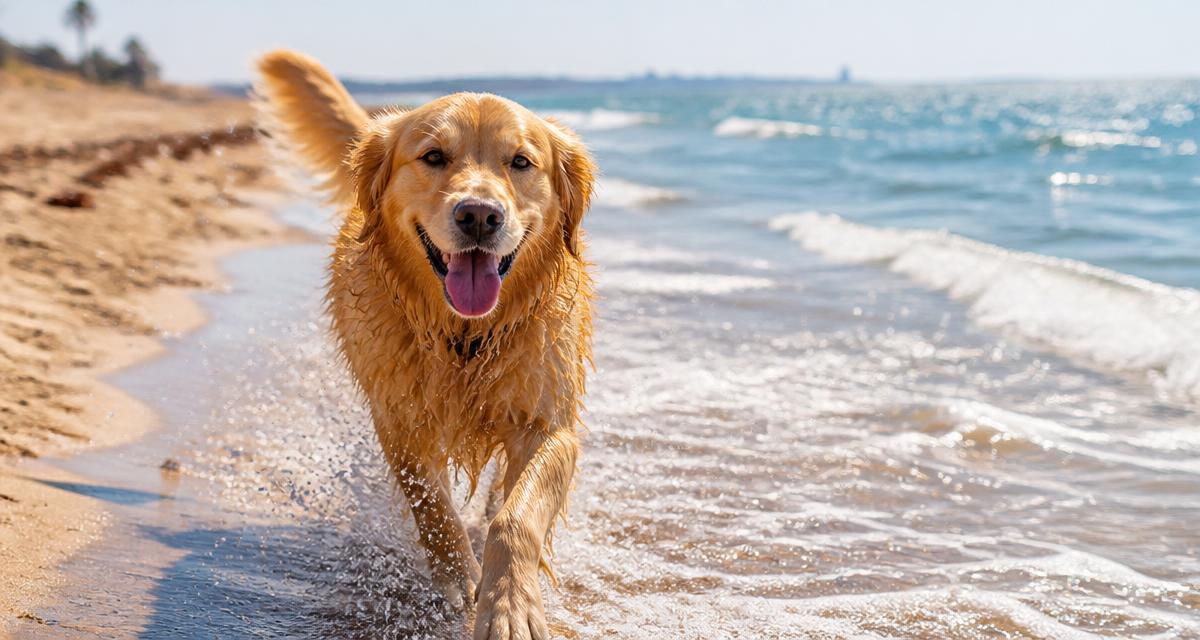
Summer is the season with the highest stakes. Heat injury can develop in minutes, and dogs cool themselves far less efficiently than people do — panting and a little paw sweat is most of what they have.
These ten tips prioritize heat, hydration and water safety, because those are the summer problems most likely to become emergencies.
Quick answer
The core summer rules are simple: walk in the early morning or late evening, never leave a dog in a parked car, test pavement with the back of your hand for seven seconds, always offer shade and water, and treat heavy panting with weakness, bright red gums, vomiting or collapse as a heatstroke emergency that needs immediate cooling and an urgent veterinary visit.
10 summer health care tips
The first four tips prevent the majority of summer emergencies. Do those every day.
- 1
Move walks to the coolest hours
Early morning and after sunset are the safest windows. During the day, swap the walk for indoor games, a shaded sniffing session, or a short potty trip — a skipped walk is never as costly as heat injury.
- 2
Test the pavement before you step onto it
Press the back of your hand to the surface for seven seconds. If you cannot hold it comfortably, it will burn paw pads. Walk on grass, go earlier, or use booties your dog has been conditioned to wear.
- 3
Never leave your dog in a parked car
A car interior can climb dozens of degrees in minutes even with windows cracked and even on a mild day. There is no safe version of this — leave your dog at home instead.
- 4
Learn the heatstroke signs cold
Frantic or noisy panting, thick drool, bright red or pale gums, wobbliness, vomiting, diarrhea, glazed eyes or collapse. Move to shade or air conditioning, wet the body with cool (not ice-cold) water, offer small sips, and get to a veterinarian immediately — heatstroke damages organs even after the dog looks better.
- 5
Make water constant and portable
Refill bowls with cool water several times a day, add a second bowl, and carry a collapsible bowl on every outing. Some dogs drink more readily if you add a splash of water to meals.
- 6
Give real shade and airflow
A doghouse in the sun traps heat. Use tree shade, a canopy, or indoors with a fan or air conditioning. Cooling mats and a shallow wading pool help, but shade and airflow do the heavy lifting.
- 7
Know your dog's individual heat risk
Flat-faced breeds, seniors, puppies, overweight dogs, black-coated dogs and dogs with heart or airway disease overheat faster and at lower temperatures. Those dogs need a stricter schedule than the neighborhood norm.
- 8
Supervise all water, including the backyard pool
Not every dog can swim, and even strong swimmers tire. Use a life jacket on boats and in open water, rinse chlorine and salt off afterwards, and dry the ears. Discourage drinking sea water or stagnant pond water.
- 9
Watch for toxic blue-green algae
Avoid ponds and lake edges with blue-green scum, paint-like streaks or a strong odor. Cyanobacteria can be rapidly fatal, so do not let your dog swim in or drink from suspect water, and call your veterinarian immediately after any exposure.
- 10
Guard the summer extras
Barbecue bones, corn cobs, skewers, alcohol, grapes, xylitol-sweetened drinks and fireworks all peak in summer. Keep food and trash secured, and give anxious dogs a quiet interior room with white noise on fireworks nights.
Summer hazards worth planning around
Heatstroke
The most common serious summer emergency. Prevent it with schedule changes and shade, and treat any suspected case as urgent even if your dog seems to recover.
Burned paw pads
Limping, licking paws or refusing to walk after a hot-surface outing. Rinse with cool water, keep the area clean, and have blistered or peeling pads examined.
Water intoxication and salt water
Dogs who bite at hose water, sprinklers or waves can swallow dangerous volumes. Build in breaks and discourage drinking while playing in water.
Fireworks panic
More dogs go missing around fireworks than at any other time. Keep dogs indoors, check that ID and microchip details are current, and plan a safe room in advance.
Signs that need a veterinarian, not a home fix
- Any suspected heatstroke: heavy distressed panting with weakness, vomiting, red or pale gums, disorientation or collapse — go now
- Blistered, peeling or bleeding paw pads
- Known or suspected blue-green algae exposure, even without symptoms
- Bloated abdomen, repeated unproductive retching, or trouble breathing
- Ingestion of skewers, cooked bones, corn cobs, alcohol, grapes or xylitol
This guide is general educational information, not veterinary diagnosis or treatment. If you think your dog is in danger, call your veterinarian or an emergency animal hospital right away.
Keeping a summer-bored dog mentally busy
When it is too hot to walk, mental work replaces physical work. Food puzzles, scent games in an air-conditioned room, and short training sessions produce real fatigue without heat exposure.
Dogs differ in what actually engages them — some are driven by problem-solving, others by working with you. Matching the game to your dog's cognitive style is why a puzzle toy exhausts one dog and bores another.
Summer dog care questions
- What temperature is too hot to walk a dog?
- There is no single number, because humidity, sun, surface temperature, breed, age and fitness all matter. A practical rule is to walk in the early morning or evening whenever the day is hot, and to test the pavement with the back of your hand for seven seconds before any daytime walk.
- What are the first signs of heatstroke in dogs?
- Frantic or noisy panting, thick drool, bright red or unusually pale gums, wobbliness, vomiting or diarrhea, and glazed eyes. Move your dog to a cool place, wet the body with cool water, and get to a veterinarian immediately.
- Should I shave my dog in summer?
- Usually not for double-coated breeds — the coat insulates against heat and protects from sunburn. Regular brushing to remove dead undercoat is safer. Ask your veterinarian or groomer about your specific coat type.
- Can dogs get sunburned?
- Yes, especially dogs with thin, light or white coats and exposed noses and bellies. Provide shade and ask your veterinarian for a dog-safe sunscreen; human products can contain ingredients that are unsafe if licked.
- How much water does my dog need in summer?
- More than in cool weather, and always available. Carry water on every outing, refill bowls with fresh cool water throughout the day, and contact your veterinarian if your dog suddenly stops drinking or drinks far more than usual.