Inside the CanineQ AI: Building a Behavior Dashboard for Every Dog

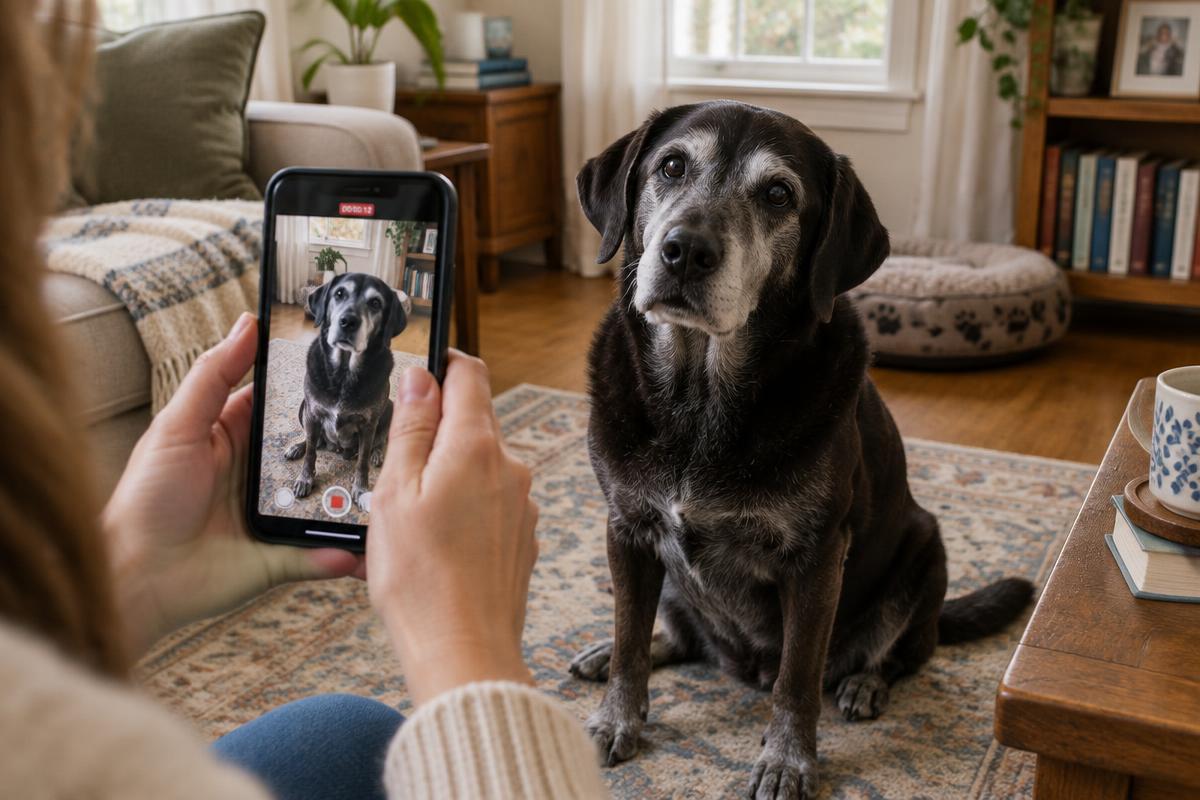
When we previewed the CanineQ behavior dashboard at a closed beta in early 2026, we had two hypotheses: owners wanted trends, not snapshots; and the data would surface patterns the owner already half-suspected but couldn't quite name. Both turned out to be true.
The first thousand uploads
The most common pattern wasn't dramatic — it was the slow drift in a dog's evening arousal score during weeks the owner travelled for work. The second most common: a measurable jump in problem-solving latency in the two weeks following a diet change, even when the food was nutritionally equivalent. Neither finding would have been visible without continuous measurement.
What the dashboard shows
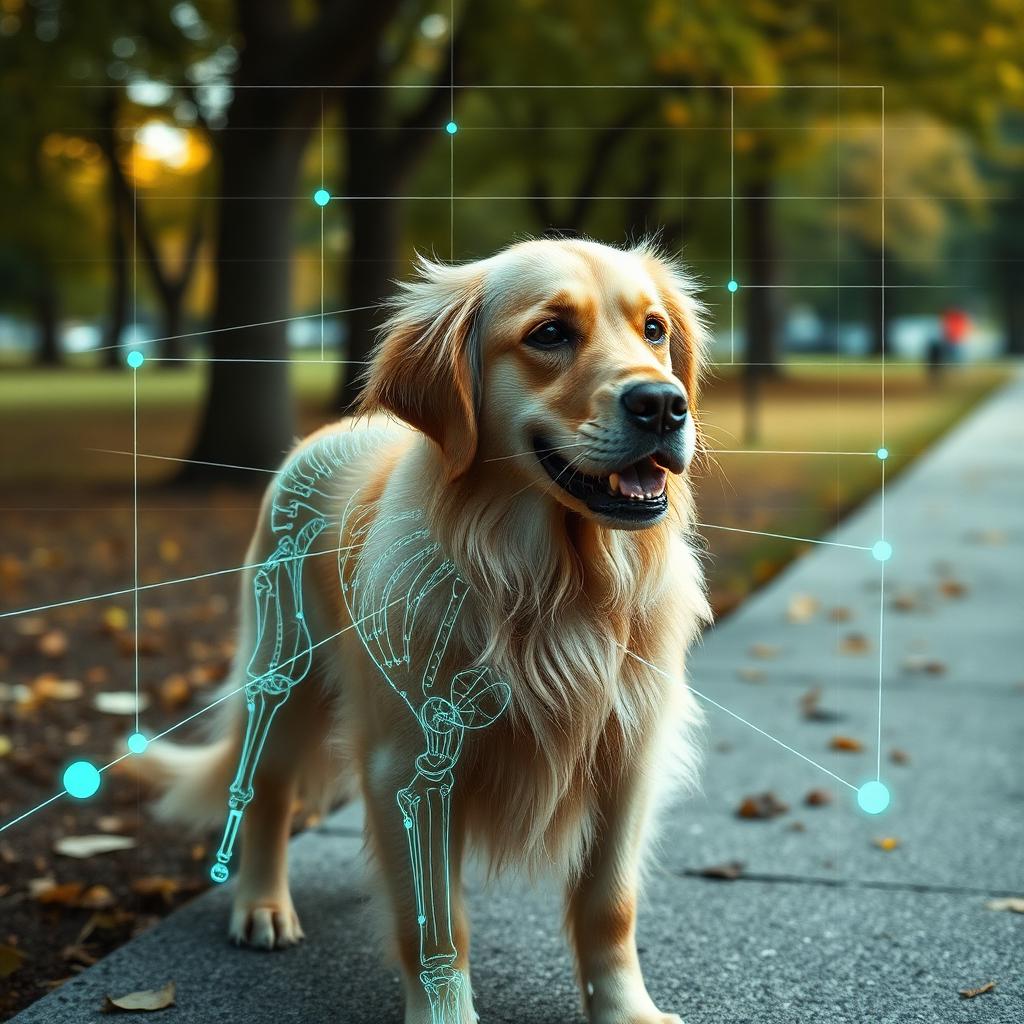
- Cognitive trend lines across the five Dognition dimensions, updated each time a new game is played.
- Arousal and rest rhythms inferred from ambient clips captured during games.
- Confidence intervals on every score — because a single session is never the whole story.
What we're not doing
We're not turning the dashboard into a diagnostic device. CanineQ describes; it doesn't prescribe. When a trend warrants veterinary attention, the dashboard says so plainly and points to a partner clinic. Everything else stays where it belongs: in the conversation between you, your dog, and your vet.