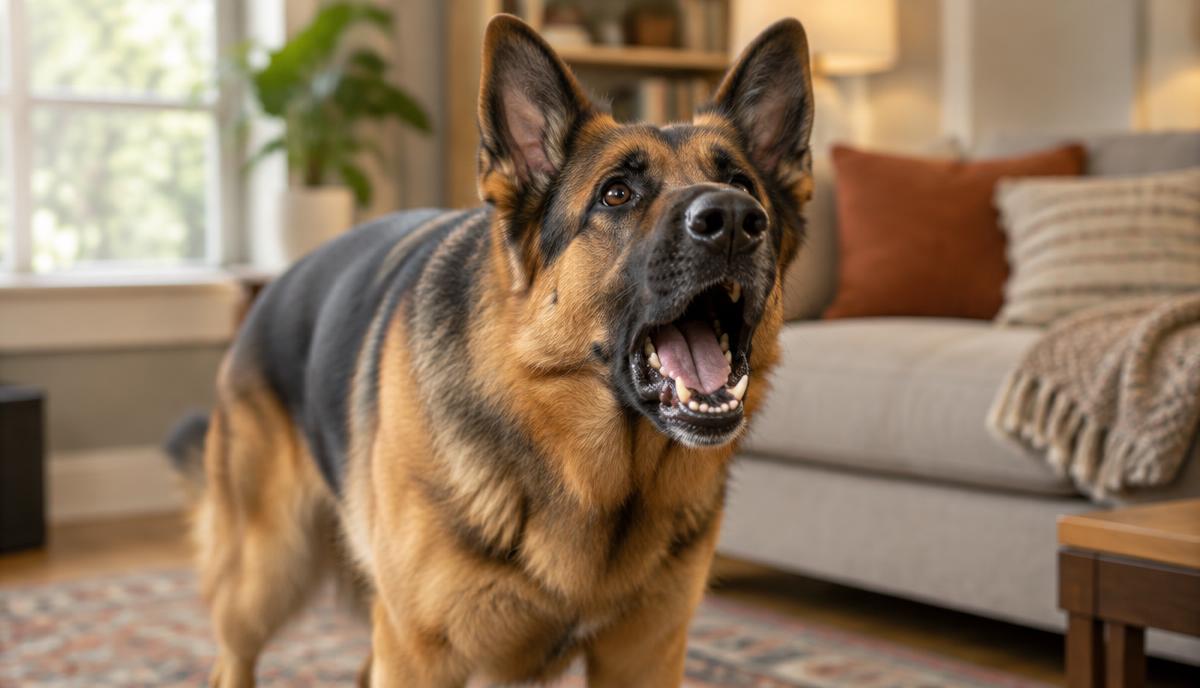
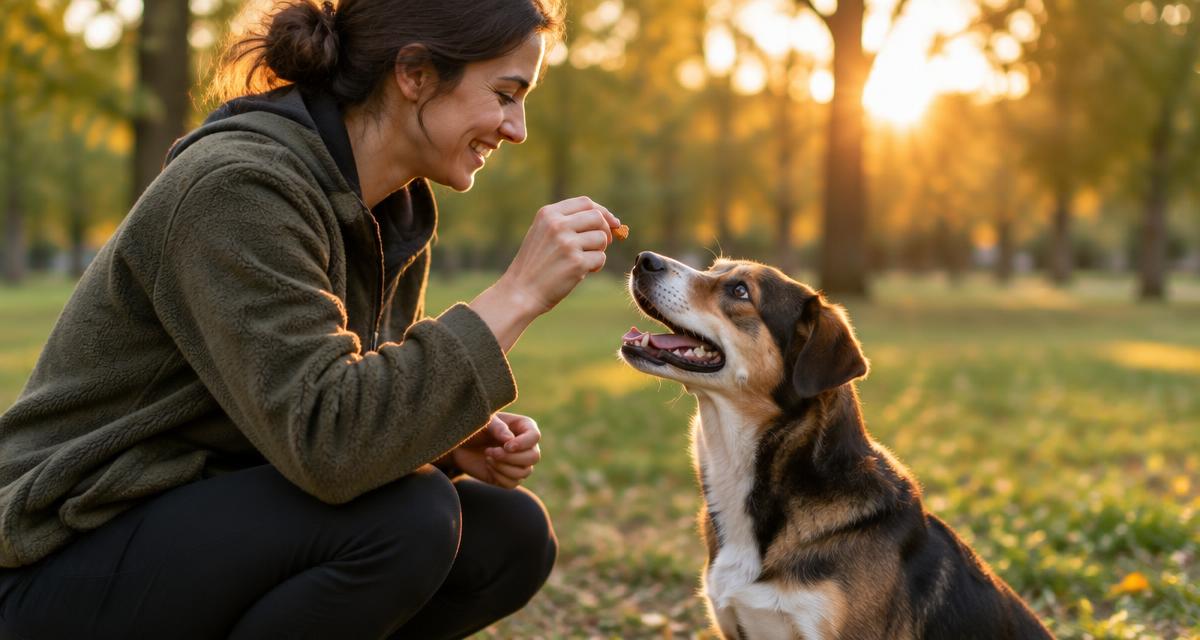
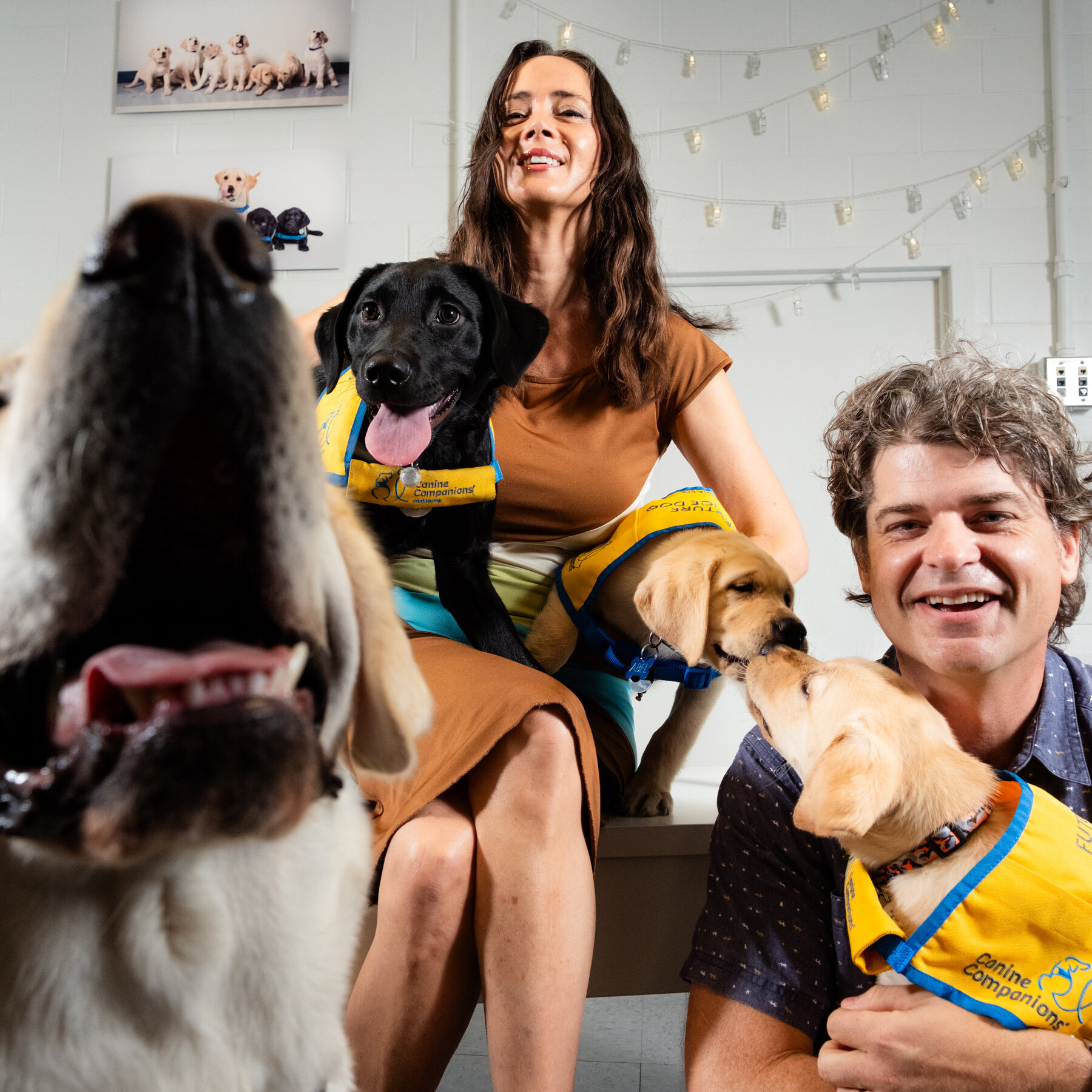
Watching the Watchers: How AI Video Analysis is Decoding Dog Body Language
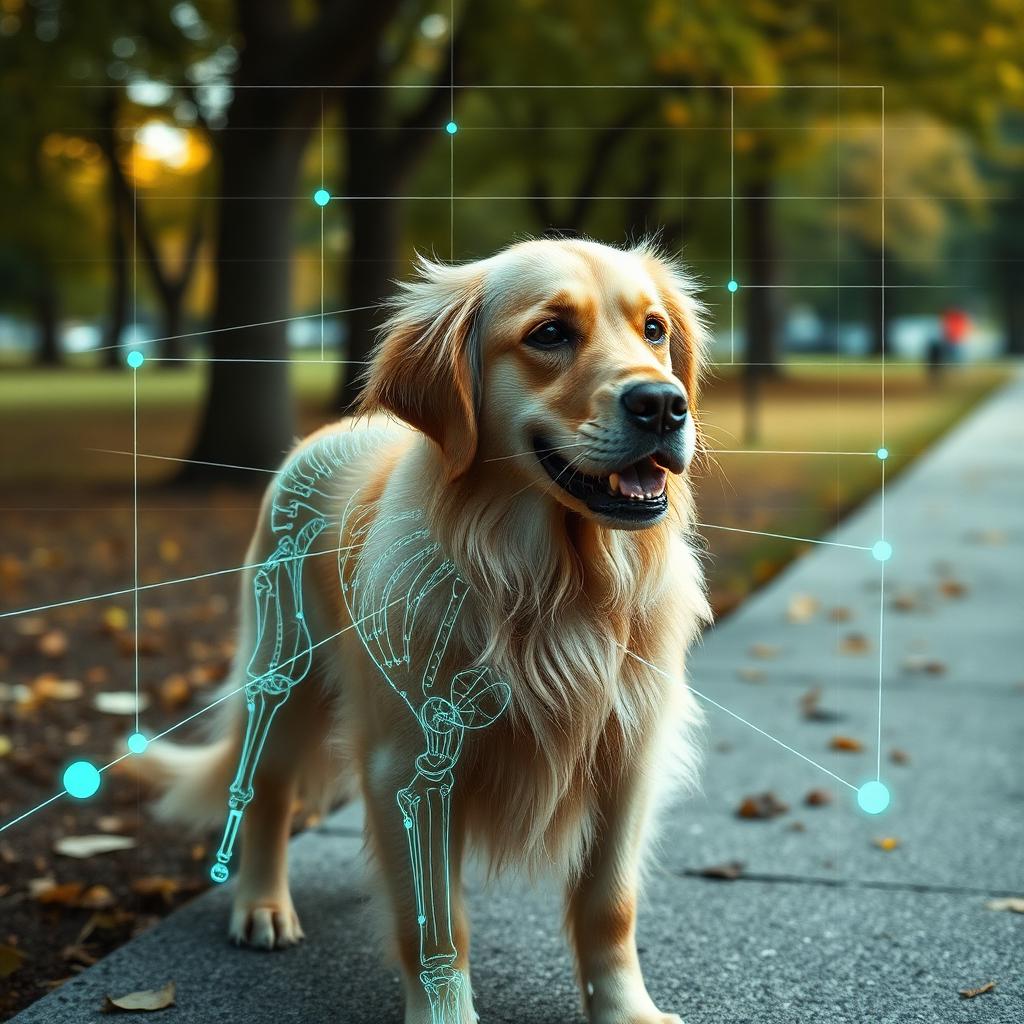
For the first time in the history of canine science, computer vision models can track tail carriage, ear position, gaze direction, weight distribution, and gait at thirty frames per second. A two-minute home video — the kind every dog owner already shoots — now contains a behavioral dataset richer than anything we could capture with the human eye alone.
What the models actually see
Modern pose-estimation networks place virtual keypoints on the dog's joints, muzzle, and ear tips. By comparing those points across consecutive frames, the system measures micro-movements that fall below conscious human perception: a 200-millisecond ear flick before a bark, a subtle shift of weight onto the forelegs that signals discomfort, the exact moment a tail wag changes asymmetry from right-biased (positive affect) to left-biased (caution).
Why this matters for cognition research
At Dognition we've spent a decade asking owners to score their dog's behavior during structured games. Self-report is powerful at scale, but it's noisy. AI video analysis closes the loop: the same game, recorded once, produces an objective trace alongside the owner's interpretation. We can finally separate what the dog did from what the human thought the dog did.
What's coming next
The CanineQ team is building tools that score Dognition assessments directly from a phone camera. Owners get instant, frame-accurate feedback; researchers get clean, consented data; dogs get assessments that no longer depend on a human stopwatch. It is the biggest methodological shift in our field since Brian Hare first pointed at a cup in 1998.