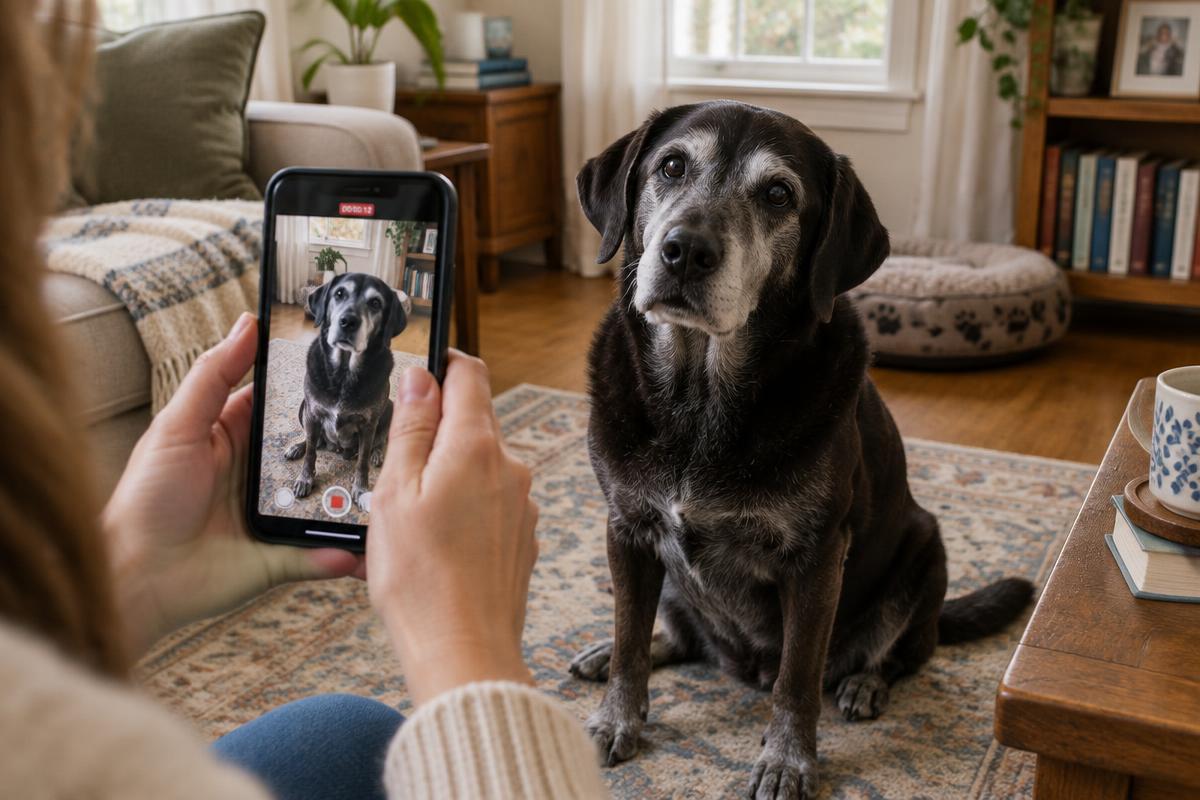
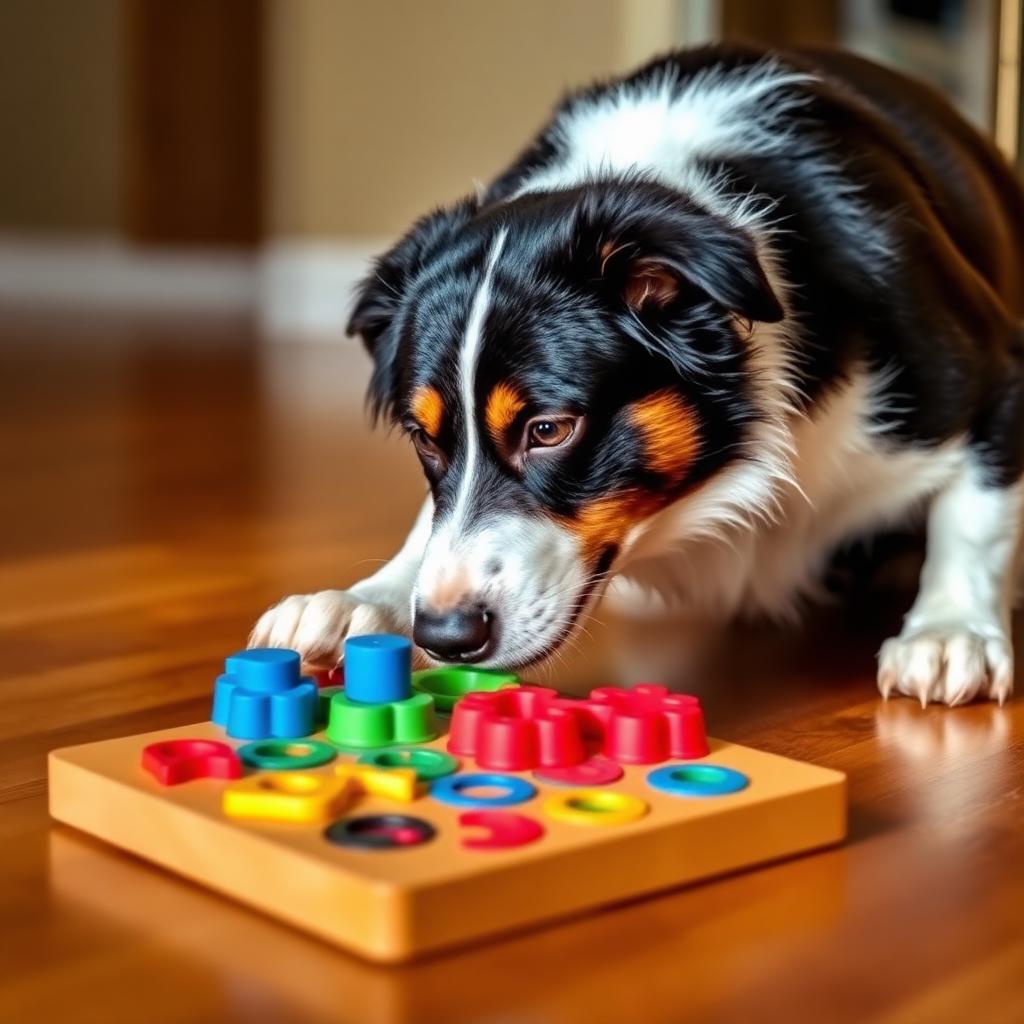
Can AI Tell When Your Dog is Stressed? A Cautious Yes.
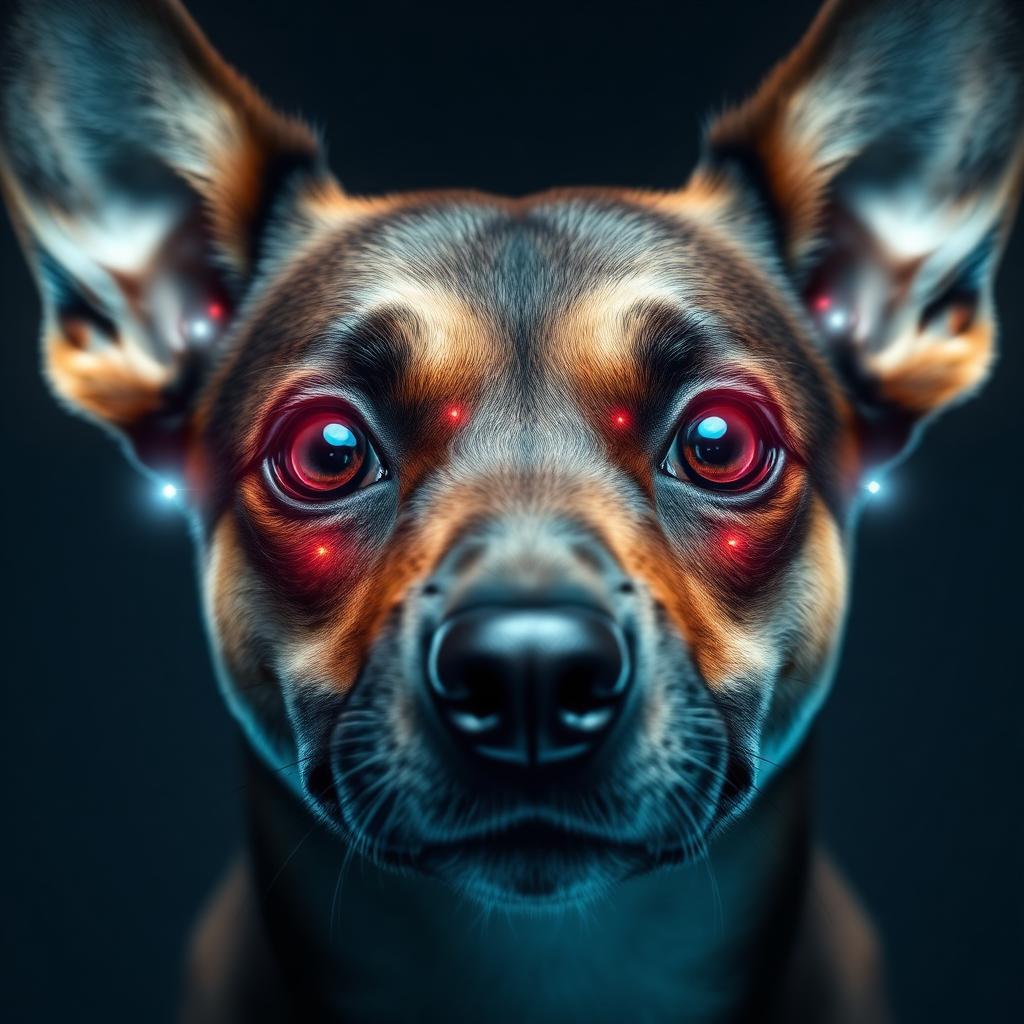
The 2026 generation of canine emotion-detection models is genuinely impressive. On held-out test sets, the best systems classify a four-way affective state (relaxed, alert, fearful, frustrated) at agreement levels that match trained ethologists. That is not a bar most humans-watching-their-own-dog can clear.
Why this is exciting
Most of canine welfare science depends on someone watching the dog. People don't scale, and people get tired. A reliable automated read of how a dog is feeling — at home, in a shelter, on a walk — opens up monitoring at a scale we have never had.
Why the caveats matter
The models are trained on video, which means they inherit every quirk of the cameras and lighting in the training set. Breed bias is real and incompletely characterised. And classification is not interpretation: knowing your dog is "frustrated" in a particular ten-second window doesn't tell you what to do about it.
How we are using this in CanineQ
We surface affective signals as one more input alongside the cognitive scores — never as a verdict. If a pattern in the signal warrants attention, the app says so plainly and routes to a partner clinician. The model is a tool, not an oracle. We intend to keep it that way.