How to Read Dog Body Language (What Video Reveals)
Tails, ears, eyes and posture are always talking. Most people catch a fraction of it live. Here is what each signal actually means, what it commonly gets mistaken for, and why video changes what you're able to see.

The signals, and what they don't mean
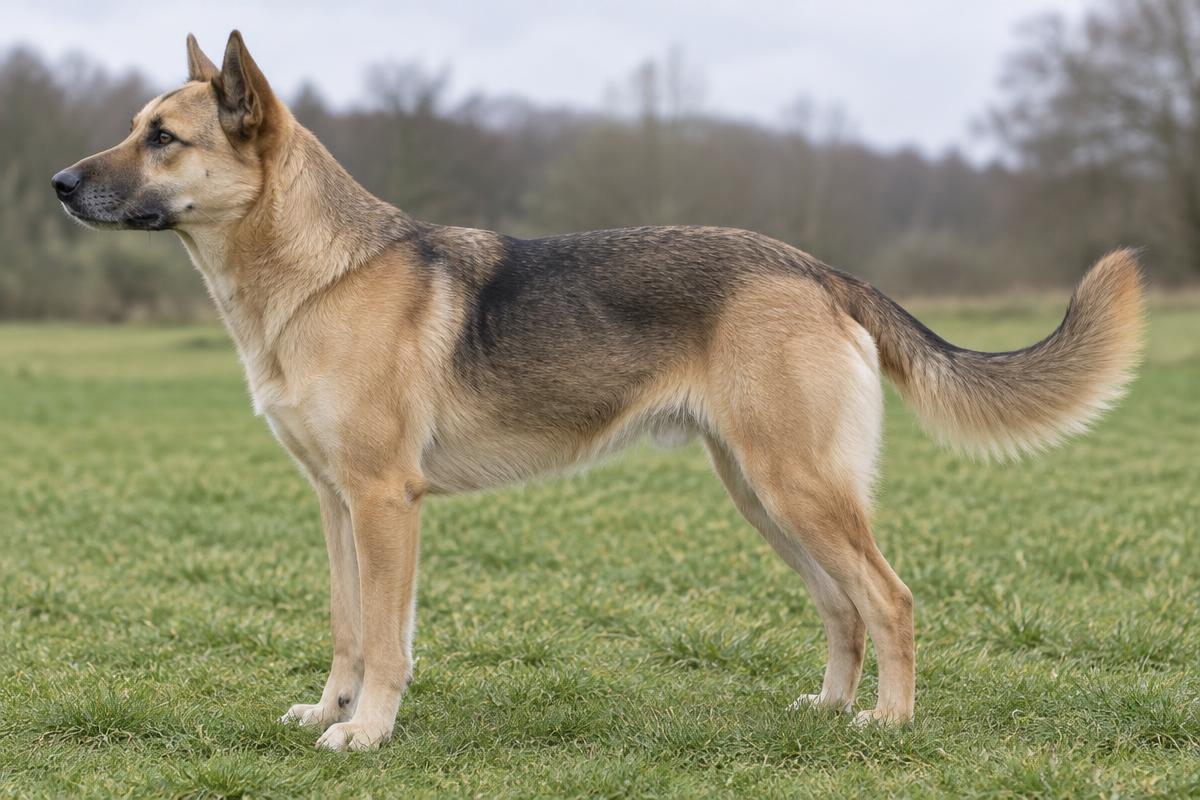
Tail carriage and wag direction
A tail held high and stiff, low and tucked, or loose and swishing all carry different meaning. Research on wag asymmetry even suggests dogs wag more to the right side of their body when relaxed and more to the left when wary.
What it does NOT mean: A wagging tail does not always mean a happy dog. A fast, stiff, high wag can accompany arousal, frustration, or even a warning before a bite.
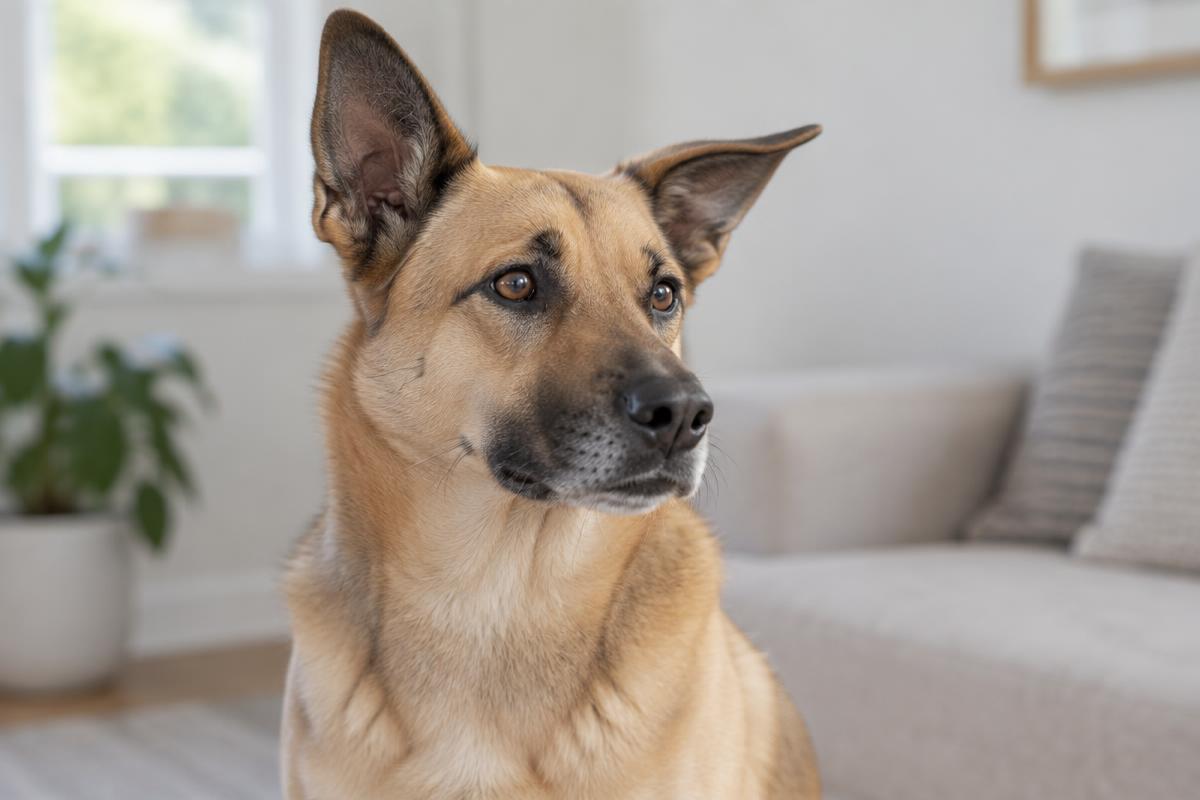
Ears
Ears pinned back and flat can signal fear or appeasement. Ears forward and erect usually mean alert interest. Ears held asymmetrically or swiveling independently show a dog gathering information.
What it does NOT mean: Ears back is not automatically submissive or affectionate — it can also mean discomfort. Breed differences in ear shape make this signal easier to misread on floppy-eared dogs.
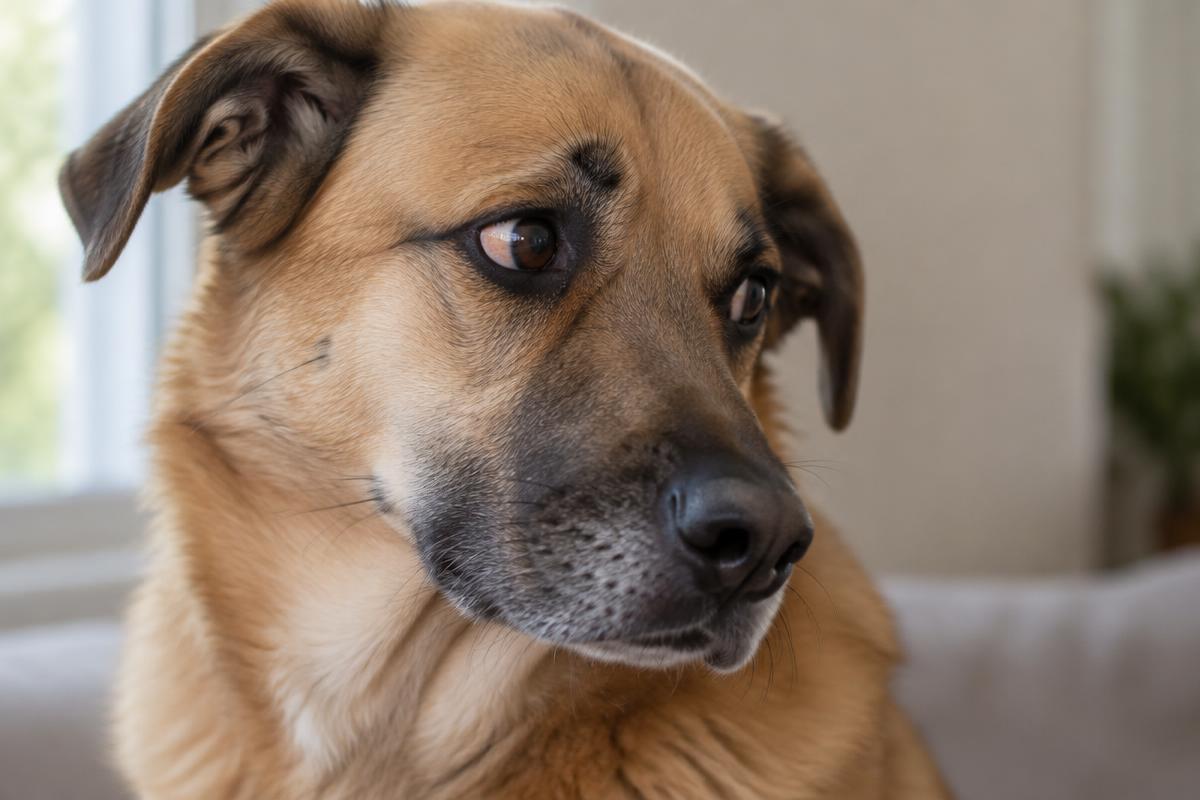
Eyes: whale eye, hard stare, soft gaze
"Whale eye" — the whites of the eyes showing in a crescent — is a classic stress signal. A hard, fixed stare often precedes guarding or resource conflict. A soft gaze with relaxed blinking signals comfort and trust.
What it does NOT mean: Direct eye contact is not always a threat — a soft, blinking gaze at a bonded person is affiliative, while a hard stare at a stranger or another dog is a different signal entirely. Context and the rest of the face matter.
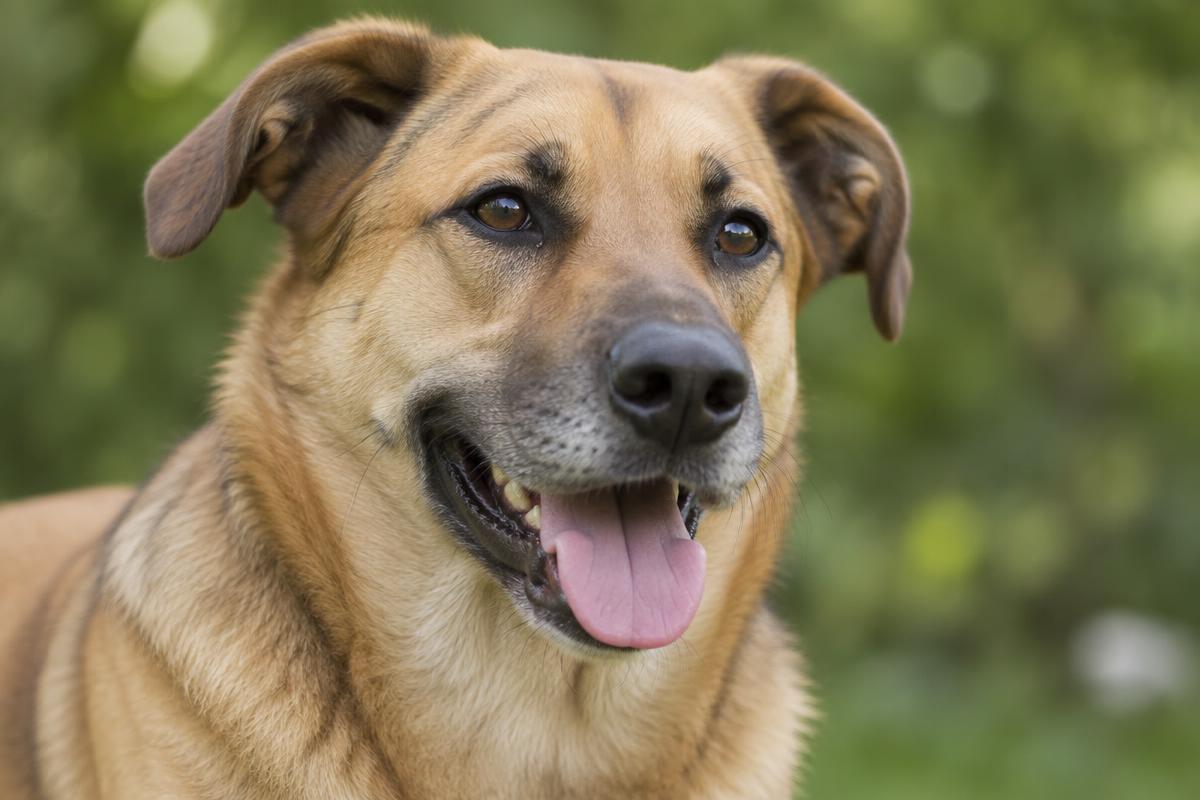
Mouth
A loose, open mouth with a relaxed tongue usually signals comfort. Lip licking, a closed tight mouth, or lips pulled back can all signal stress rather than aggression.
What it does NOT mean: A closed mouth is not necessarily calm — it can be a dog holding tension. And a relaxed open mouth is not the same as a bared-teeth snarl, even though both show teeth.
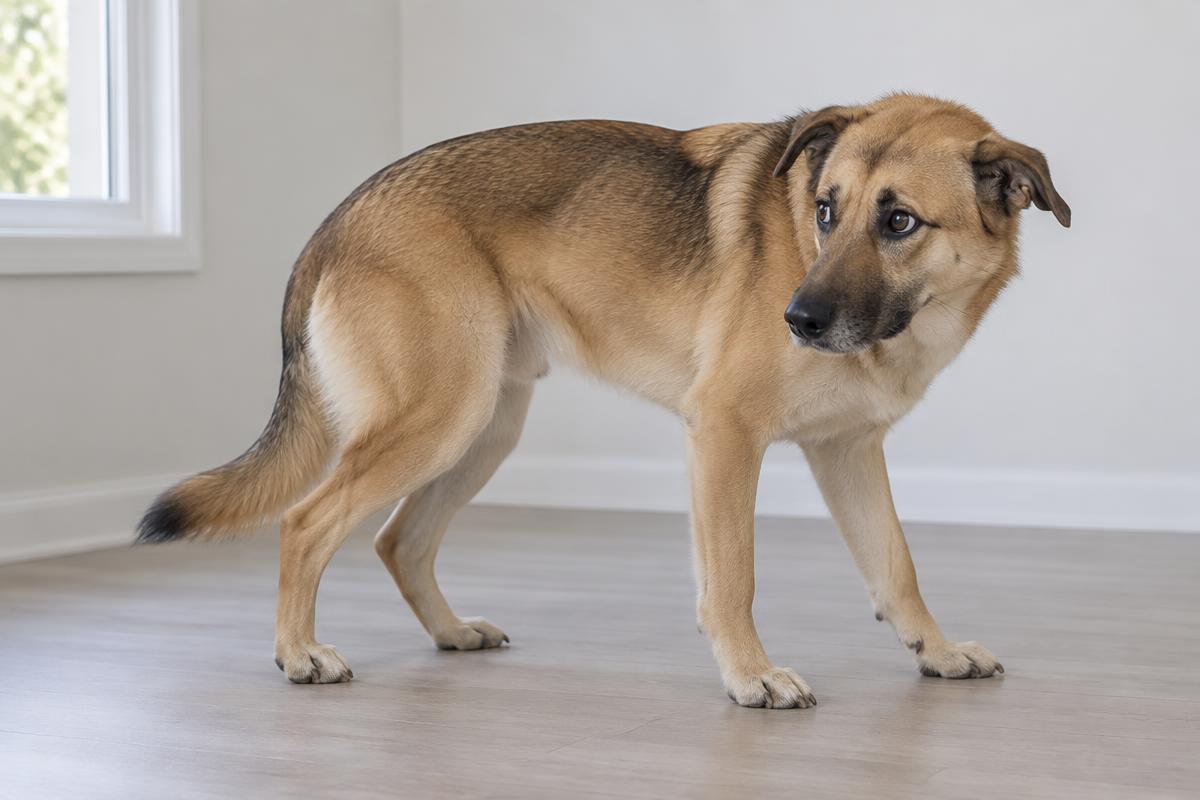
Posture and weight shift
Weight shifted forward over the front paws often signals confidence or intent to engage. Weight shifted back, a lowered body, or a curved-away posture usually signals avoidance or appeasement.
What it does NOT mean: A lowered body is not always fear — it is also the setup for a play bow. Watch what follows the posture, not just the posture itself.
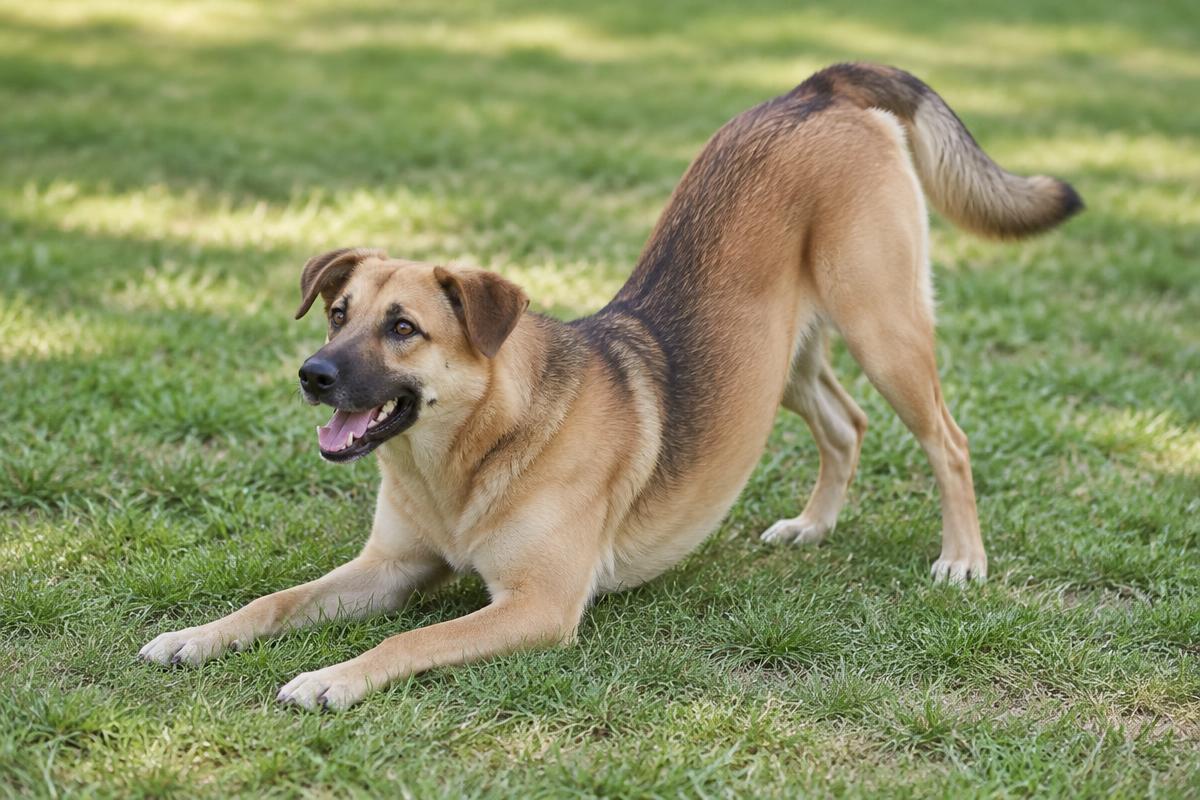
The play bow
Front legs down, rear end up, tail loose — the play bow is a dog's way of saying "everything that follows is a game." It resets rough behavior into a shared invitation.
What it does NOT mean: A play bow is not a guarantee the whole interaction will stay playful, especially between dogs who don't know each other. Keep watching for stress signals as play continues.
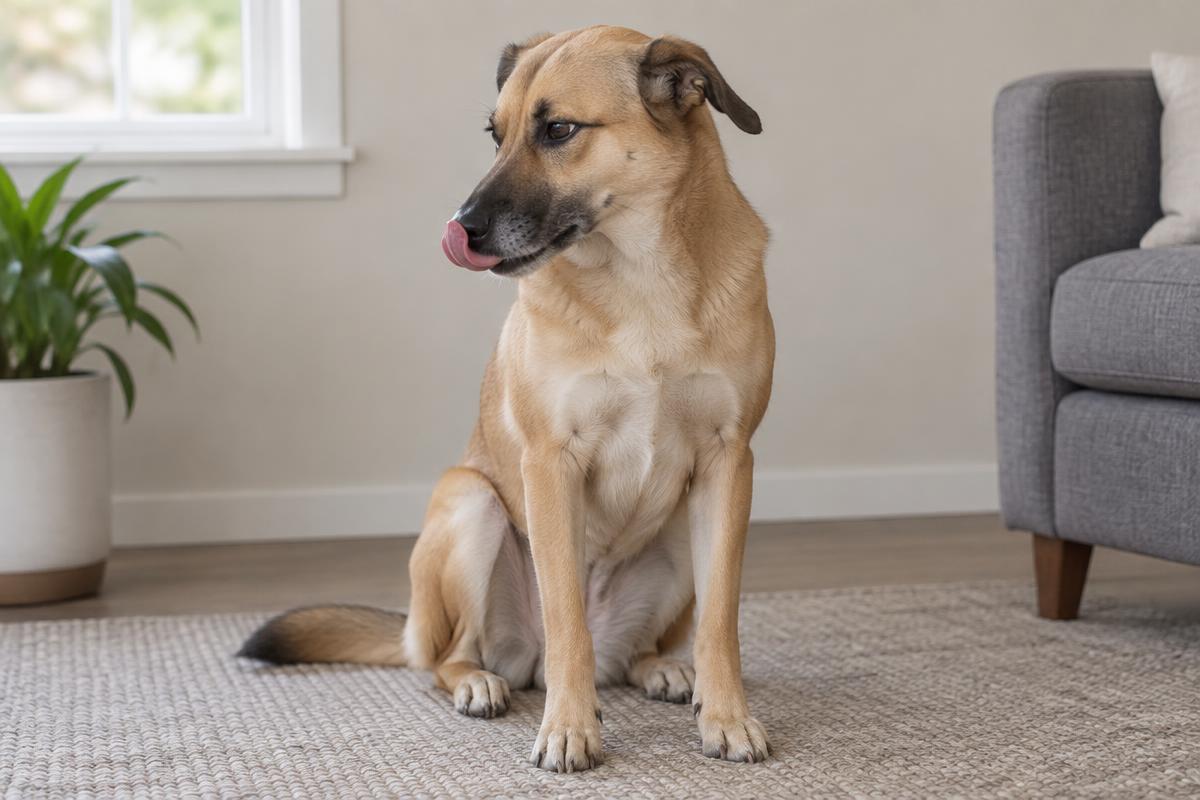
Common stress signals: lip licking, yawning, turning away, freezing
Dogs use small, quiet signals to say they are uncomfortable before anything escalates: a quick lip lick with no food around, a yawn with no tiredness, turning the head or whole body away, or going suddenly still.
What it does NOT mean: A yawn is not always tiredness and a lip lick is not always hunger. Isolated, either can be nothing — it's the cluster and the context that tell you a dog is asking for space.
Why video beats watching live
Most stress and arousal signals — a lip lick, an ear flick, a flash of whale eye — last well under a second. Live, you are also managing the leash, the other dog, or the kids. You simply cannot watch every part of your dog's body at once while also being present in the moment.
Video removes that trade-off. You can rewatch a greeting three times, slow it to half speed, and catch the exact frame where your dog's weight shifted back before anyone else noticed tension building.
CanineQ's AI video analysis does this reading for you — upload a clip and it describes the body language it sees, in the context of your dog's own cognitive profile, and files what it observed into your dog's ongoing story so patterns become visible over time.
Frequently asked questions
- Is a wagging tail always a sign of a happy dog?
- No. Wag speed, height, stiffness and direction all change the meaning. A fast, stiff, high wag can signal arousal or even a warning, not friendliness.
- What is whale eye in dogs?
- Whale eye is when the whites of a dog's eyes show in a crescent shape, usually while the head stays still or turned slightly away. It is a common early stress signal.
- What does a play bow mean?
- A play bow — front legs down, rear up, tail loose — signals that a dog wants to play and that any rough behavior that follows should be read as a game, not a threat.
- Why is it easier to read body language from video than in the moment?
- Many signals — a lip lick, an ear flick, a whale-eye glance — last a fraction of a second. Live, you are also managing the interaction. Video lets you rewatch and slow down until you actually see what happened.
- Can I learn to read my own dog's signals over time?
- Yes. Every dog has an individual baseline. The more footage you review of your own dog, the easier it becomes to tell their normal alert ears from their stressed ears.
- Does CanineQ read my dog's body language for me?
- Yes. Upload a video and CanineQ's AI analysis describes what it sees in your dog's body language, in the context of your dog's own cognitive profile, and files the moment into your dog's ongoing story.