Top 7 Ways to Protect Your Pet This Winter
Dognition November 22, 2013
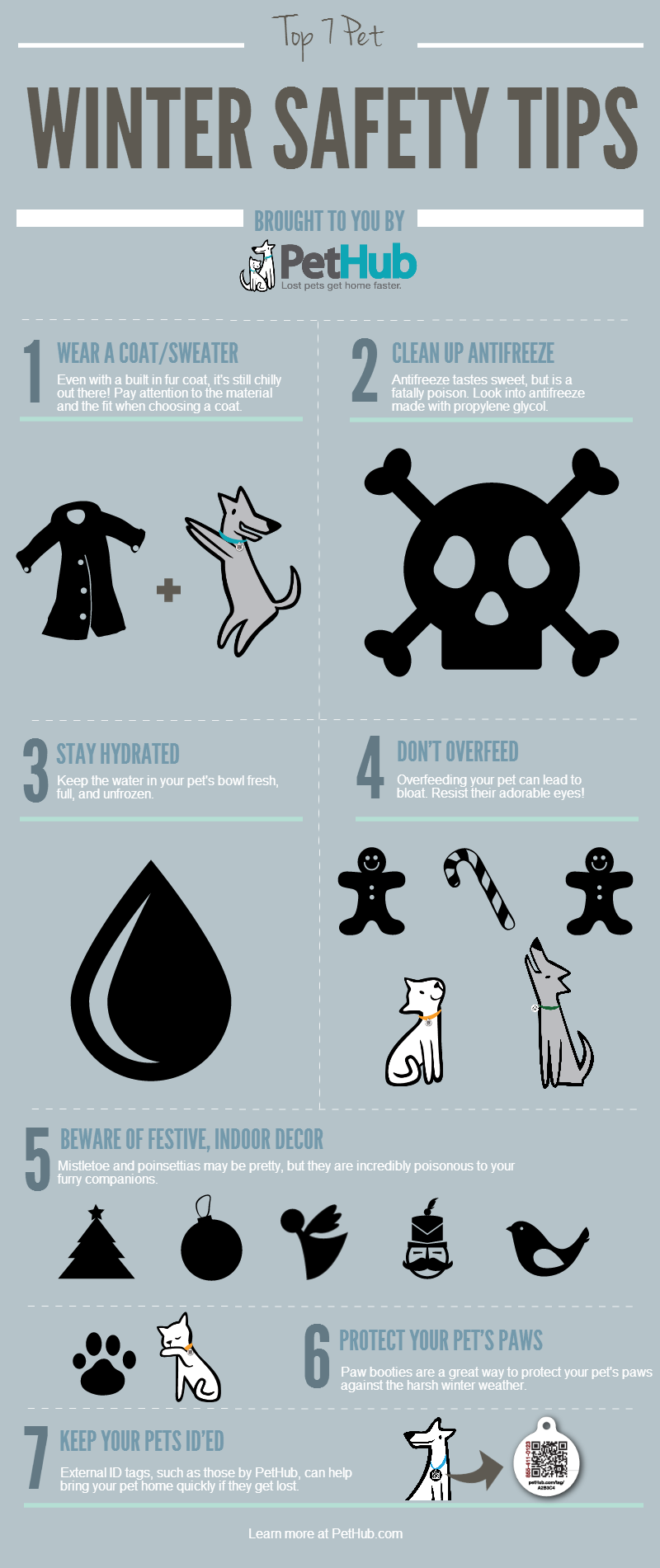
For this month’s All About Dogs column, we bring you tips from our friends at PetHub on how to keep your pets safe this winter. From the Dognition family, we wish you and your loved ones a happy and safe holiday season!
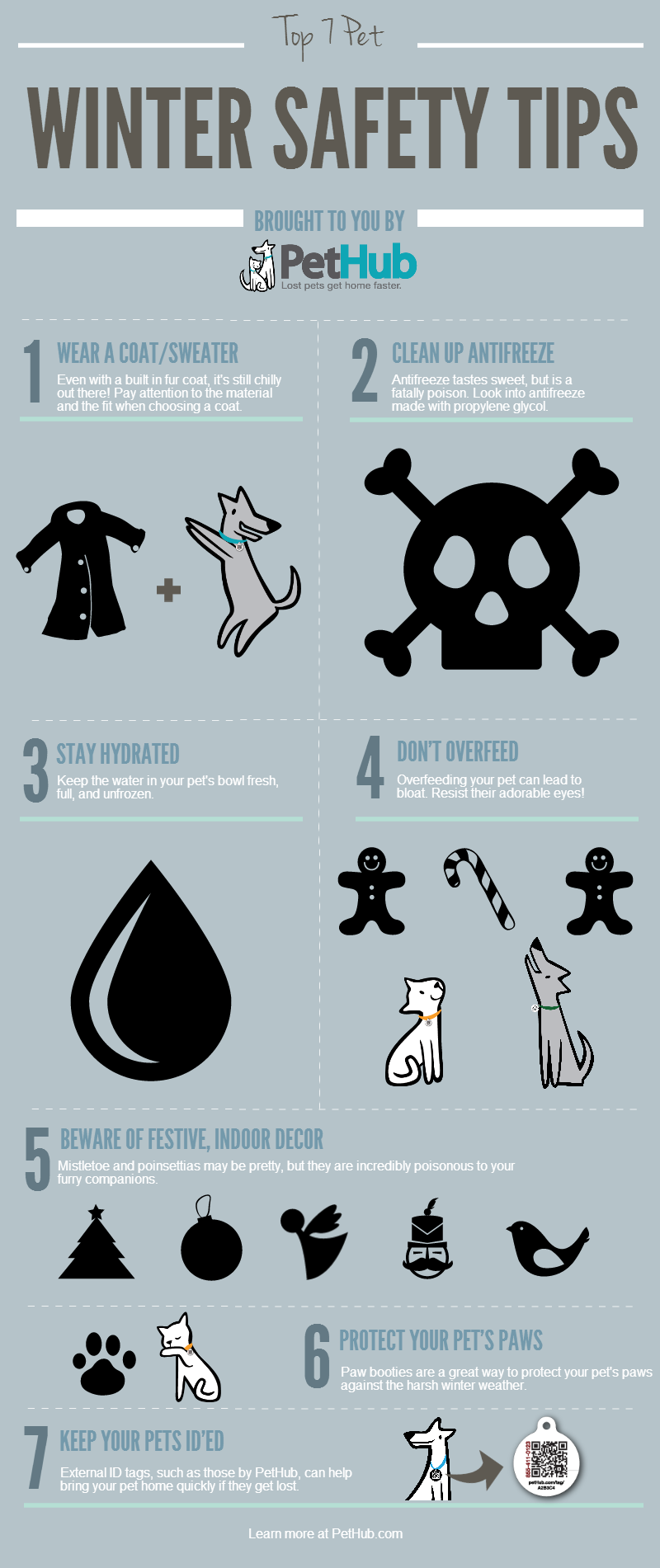
The 7 tips at a glance
- Protect the paws. Salt, de-icers, and frozen sidewalks can crack and burn pads. Wipe paws with a warm damp cloth after every walk, keep the fur between toes trimmed, and consider a pet-safe paw balm or booties for long outings in extreme cold.
- Beware antifreeze. Ethylene glycol tastes sweet and even a teaspoon can be fatal. Clean up spills immediately, store bottles out of reach, and switch to a propylene-glycol formula if you can. If you suspect ingestion, get to an emergency vet within an hour — not the next morning.
- Dress for the weather. Short-coated, small, senior, and thin dogs lose heat fast. A well-fitted coat or sweater is not a fashion statement in January — it is basic warmth. Watch for shivering, lifted paws, and reluctance to keep moving; those are the signs to head home.
- Update ID and microchip info. More pets go missing in winter than any other season, in part because snow masks familiar scent trails. Confirm your microchip registration is current, and make sure the tag on the collar has a working phone number.
- Keep water fresh and unfrozen. Dogs need just as much water in winter as in summer, and dehydration sneaks up quickly with dry indoor heat. Check outdoor bowls twice a day, and if you travel with your dog, bring a collapsible bowl and a full bottle.
- Add indoor enrichment. Shorter walks mean more pent-up energy. Rotate puzzle feeders, hide treats around the house, teach a new trick each week, and set aside 15 minutes a day for a scent-based game. A tired brain is as satisfying as tired legs.
- Book a winter vet check. Cold weather aggravates arthritis, dental pain, and heart conditions. A quick seasonal visit catches issues early and lets your vet adjust joint supplements, calorie intake, or medications before the worst of the season.
For more year-round safety resources, visit our friends at PetHub. And if you want a fun indoor project this winter, try running the Dognition Assessment with your dog — the games are short, warm, and a great way to spend a cold afternoon together.