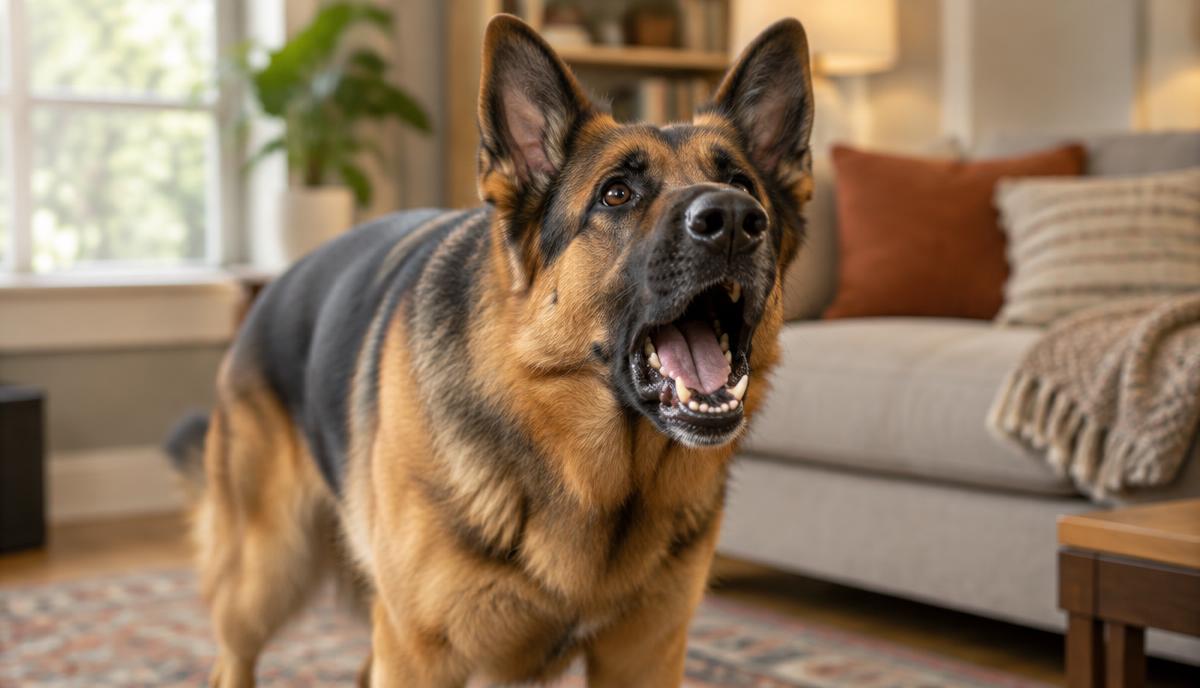
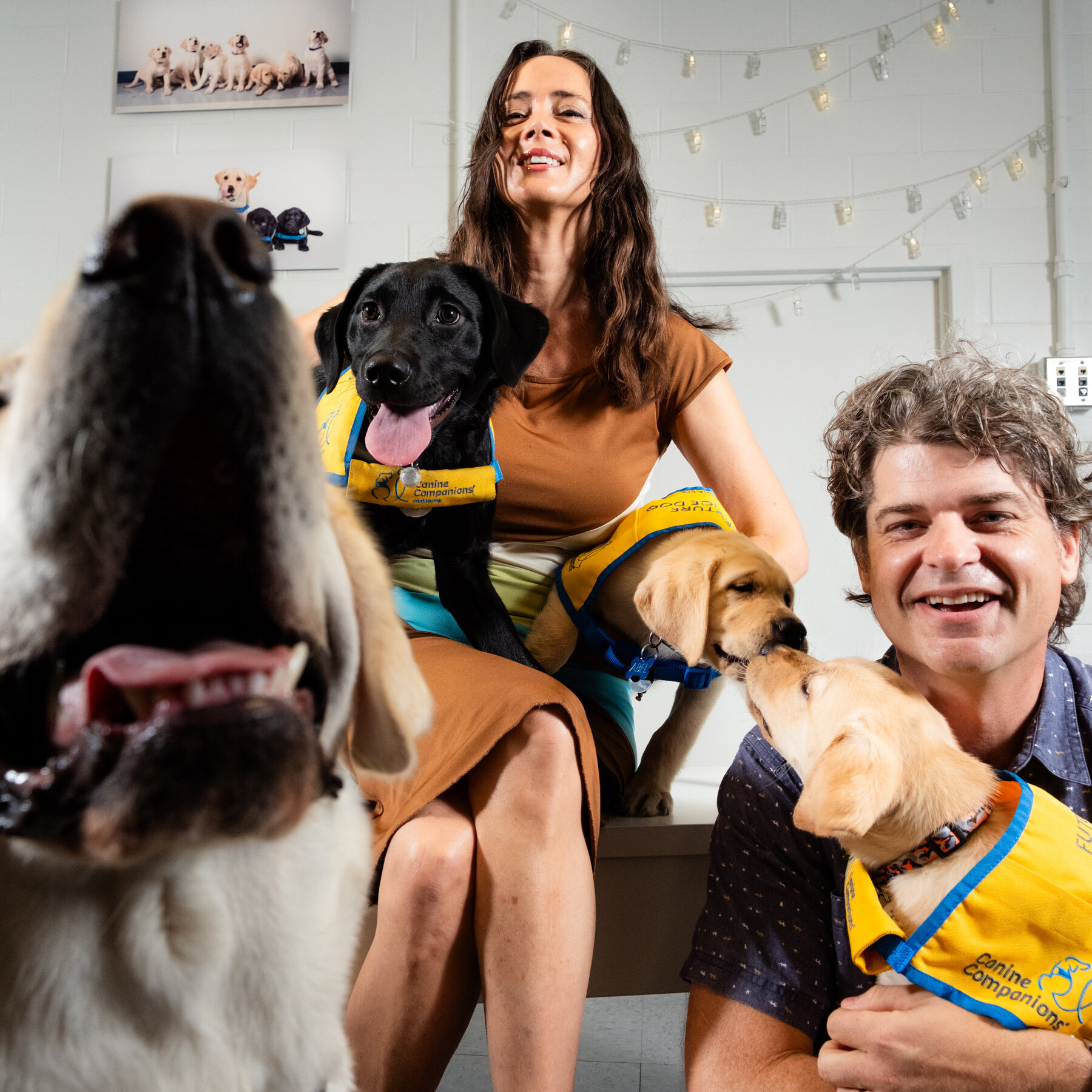
Inside the Mind of a Clever Canine: Tracking Your Dog's Cunning and Memory
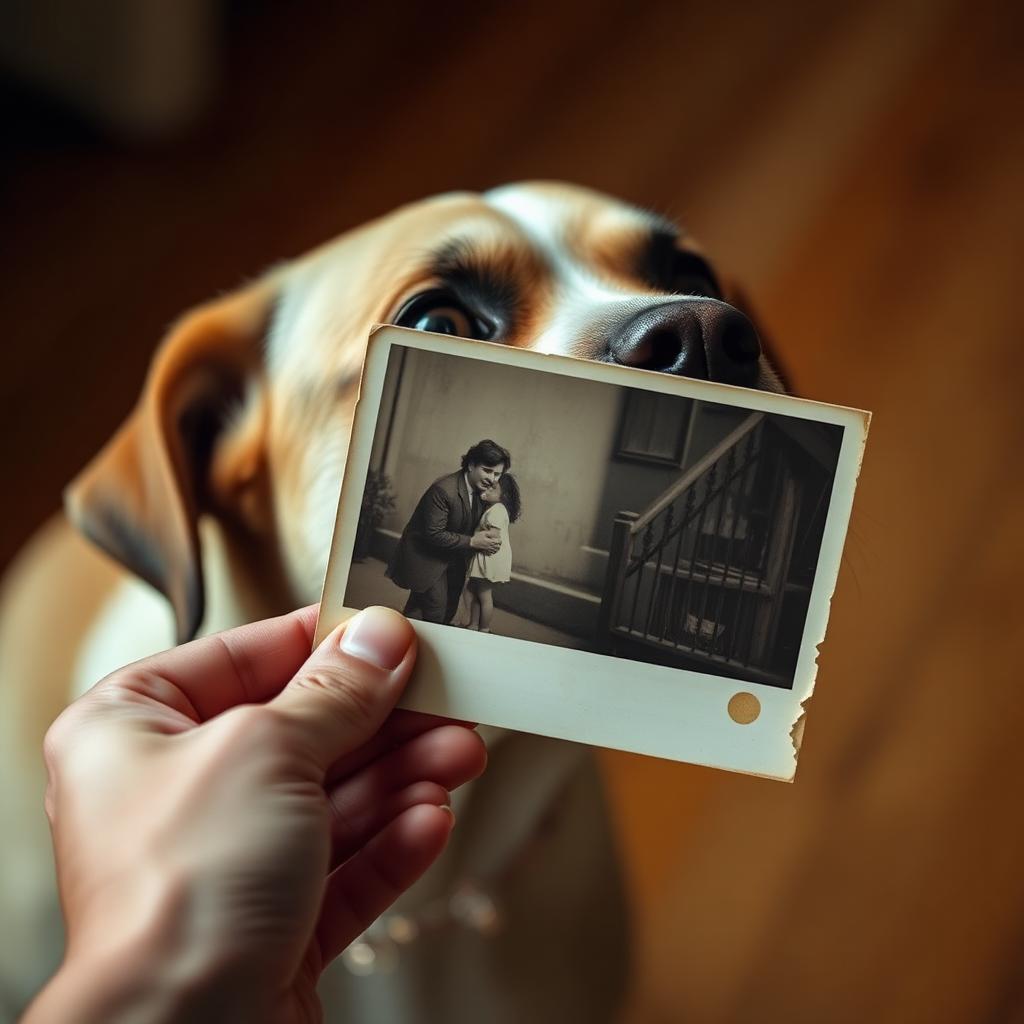
Your dog knows exactly which cabinet holds the treats. They remember which neighbor gives them a biscuit and which one does not. They wait until you leave the room to swipe the sandwich off the coffee table. If you have ever thought how smart is my dog, the honest answer is: smarter than most owners realize, in ways cognitive science can now measure.
Rewriting what "smart" means in dogs
Traditional dog IQ tests measure obedience — how quickly a dog learns a sit or comes when called. That is a useful skill, but it is not cognition. Real canine intelligence is a profile of at least five distinct dimensions, each of which can be tested independently:
- Empathy — reading and responding to human emotions
- Communication — following gestures, gaze, and referential cues
- Cunning — social strategy, including knowing when they are being watched
- Memory — remembering locations, objects, and event sequences
- Reasoning — solving novel problems through inference, not trial and error
These dimensions were established by Dr. Brian Hare at the Duke Canine Cognition Center and expanded by researchers including Vanessa Woods. They form the backbone of the Dognition assessment and the nine cognitive profiles we use to describe how different dogs think.
The science of canine memory
Dogs use at least three kinds of memory. Working memory is short-term — the seconds-long trace that lets your dog remember which cup you hid a treat under. Spatial memory is longer — the mental map that lets a dog find their favorite park bench weeks later. And episodic-like memory is the most surprising: dogs can remember specific past events, including actions that were not important at the time. A 2016 study by Fugazza and colleagues showed dogs could reproduce a human action minutes after seeing it, even when they had no reason to think they would be tested.
The classic memory game is the cup-switch test. Hide a treat under one of two cups while your dog watches, then quickly swap the cups. Dogs who follow the swap are updating their internal map in real time. Dogs who go to the original location are relying on stable spatial memory. Neither is wrong — they reveal different cognitive strategies.
The cunning game: does your dog cheat?
One of the most delightful lines of canine research is on social cunning — a dog's ability to reason about what humans can and cannot see. Place a forbidden treat on the floor and either watch your dog closely or cover your eyes. Dogs consistently take the treat far more often when they believe you are not looking. One study showed dogs also steal more in the dark, suggesting they understand that darkness limits what humans can see.
This kind of strategic behavior requires theory of mind — the ability to model another creature's perspective. It is one of the most cognitively demanding skills any animal can demonstrate, and dogs do it every day. The cunning game in the Dognition assessment is designed to measure exactly this dimension.
Reasoning by exclusion
Show your dog two cups. Lift the empty one and show them it is empty. Then release them. Dogs that go straight to the untouched cup are using inference by exclusion — the same reasoning process humans use in logic puzzles. It is a skill previously thought to be uniquely human, and it turns out a meaningful percentage of dogs solve it on the first try. How inference makes your dog a genius goes deeper on the science.
How CanineQ turns behavior into a profile
Everyday moments — the stare at the treat drawer, the confident swap-cup pick, the sideways glance before stealing the sandwich — are all data points. The CanineQ app turns them into structured measurements. The interactive cognitive games take about 20 minutes across a couple of sessions, and the AI tracks how your dog approaches each one: latency to solve, choice of strategy, response to a change in the setup. The output is not a single IQ score but a full cognitive profile across all five dimensions, benchmarked against tens of thousands of other dogs in the Dognition database.
That profile is a starting point, not a verdict. It tells you where your dog leans — toward empathy or reasoning, communication or cunning — and gives you concrete ways to work with those tendencies instead of against them. A high-cunning dog benefits from puzzle feeders and hide-and-seek. A high-empathy dog thrives on cooperative games with lots of eye contact. A high-memory dog loves scent work and complex fetch chains.
The real answer to "how smart is my dog?"
Every dog is smart. The interesting question is how — which dimensions do they lean on, which do they surprise you on, and how does that profile shape the way you play, train, and live together. The science is now good enough that you do not have to guess.
Ready to see how your dog thinks? Test your dog's cognition with Dognition across all five dimensions. Or get to know the researcher behind the science and meet Dr. Brian Hare.
For the bigger picture, read our overview of dog emotion and cognition.